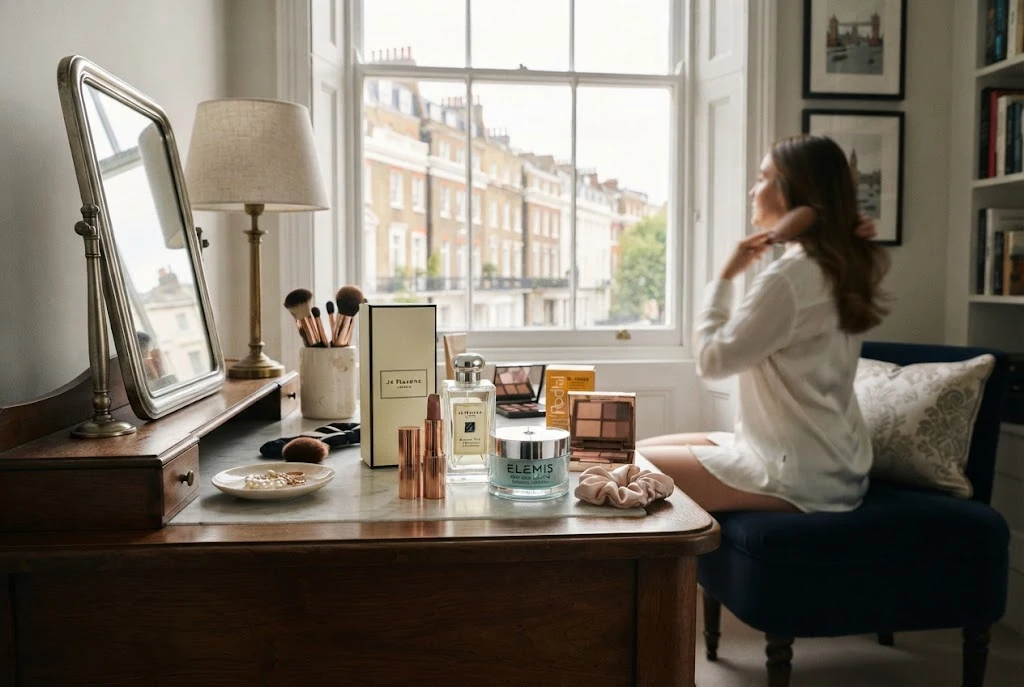
British beauty culture is shaped by a fascinating combination of tradition, individuality, fashion, social change and international influence. From classic British cosmetics and understated everyday makeup to bold London trends and the growing popularity of skincare, beauty in Britain has never followed one simple formula. Instead, UK beauty habits have continued to evolve alongside changes in fashion, technology, media and consumer expectations.
Today, someone interested in beauty in Britain can find everything from minimalist skincare routines and natural-looking makeup to experimental styles inspired by social media and international beauty communities. Understanding that diversity provides useful context for the beauty trends UK audiences are following today.
What Is British Beauty Culture?
British beauty culture refers to the habits, preferences, traditions, products, styles and social attitudes that influence how beauty is understood and practised across Britain. It includes cosmetics, skincare, haircare, fragrance, grooming, salon culture and the broader ideas people associate with looking and feeling their best.
It is important to avoid treating British beauty as a single fixed style. Beauty preferences can vary considerably between generations, communities, cities and regions. London may be associated with experimental fashion and creative makeup, while other parts of the UK may have different beauty traditions and consumer preferences.
British beauty culture is therefore better understood as a collection of overlapping influences rather than one universal look.
How British Beauty Culture Has Changed Over Time
Beauty in Britain has changed alongside society. Cosmetics were once associated strongly with specific occasions, social expectations and formal presentation. Today, beauty products are much more integrated into everyday routines, and people have greater freedom to decide how much or how little makeup and grooming they want.
The growth of mass-market cosmetics also made beauty products more accessible. High-street retailers, department stores, pharmacies, specialist beauty shops and online retailers have all contributed to making cosmetics available to a much wider audience.
At the same time, British beauty has repeatedly absorbed influences from abroad. French fragrance, American cosmetics, Japanese skincare, Korean beauty and global social media trends have all contributed to the contemporary UK beauty landscape.
Rather than simply replacing traditional British preferences, these influences are often adapted to local tastes.
British Beauty Traditions That Still Influence Modern Routines
Some British beauty traditions remain recognisable even as products and techniques change. A practical approach to grooming, an appreciation for quality personal-care products and the importance of looking presentable continue to influence everyday beauty routines.
Skincare has also become a more visible part of daily self-care. What might once have been a simple cleanser and moisturiser routine can now involve targeted products, active ingredients and specialist treatments.
However, the basic idea of caring for the skin remains familiar. Modern consumers may simply have more information and more products from which to choose.
The influence of British weather
The UK’s changeable climate can also influence beauty habits. Cold weather, wind, indoor heating and seasonal changes can affect how people think about moisturising, haircare and skin comfort.
This does not mean that everyone in Britain follows the same routine, but climate is one practical factor that can influence product choices. Lightweight products may feel preferable during warmer periods, while richer moisturising products can become more appealing during colder months.
British Makeup Culture: From Understated to Experimental
British makeup culture contains a broad spectrum of styles. Natural-looking makeup and understated beauty remain popular, but British fashion and creative industries have also helped establish a reputation for experimentation.
London in particular has long been an important centre for fashion, music and creative expression. Beauty looks associated with these industries can move beyond traditional ideas of what makeup should achieve.
Bold eyeliner, unconventional colour combinations, statement lips and editorial-inspired looks can coexist with minimal makeup. This ability to move between different aesthetics is one of the defining characteristics of contemporary beauty in Britain.
Social media has accelerated that flexibility. A person can discover a minimalist makeup routine in the morning and experiment with a completely different aesthetic later the same day.
British Beauty Trends and the Influence of Social Media
Social media has changed how British consumers discover beauty products and techniques. Platforms such as TikTok, Instagram and YouTube allow trends to move rapidly between countries and communities.
A product can become popular in Britain because of a creator’s recommendation, a celebrity appearance, a makeup tutorial or a short demonstration showing an unusual application technique.
This has created a beauty environment where international trends can become part of UK beauty culture very quickly. Korean skincare routines, American makeup aesthetics and viral European beauty products can all find British audiences within a short period.
Yet British consumers do not necessarily copy these trends exactly. Products and techniques are often adapted to individual preferences, budgets, lifestyles and local availability.
The Role of British Cosmetics Culture
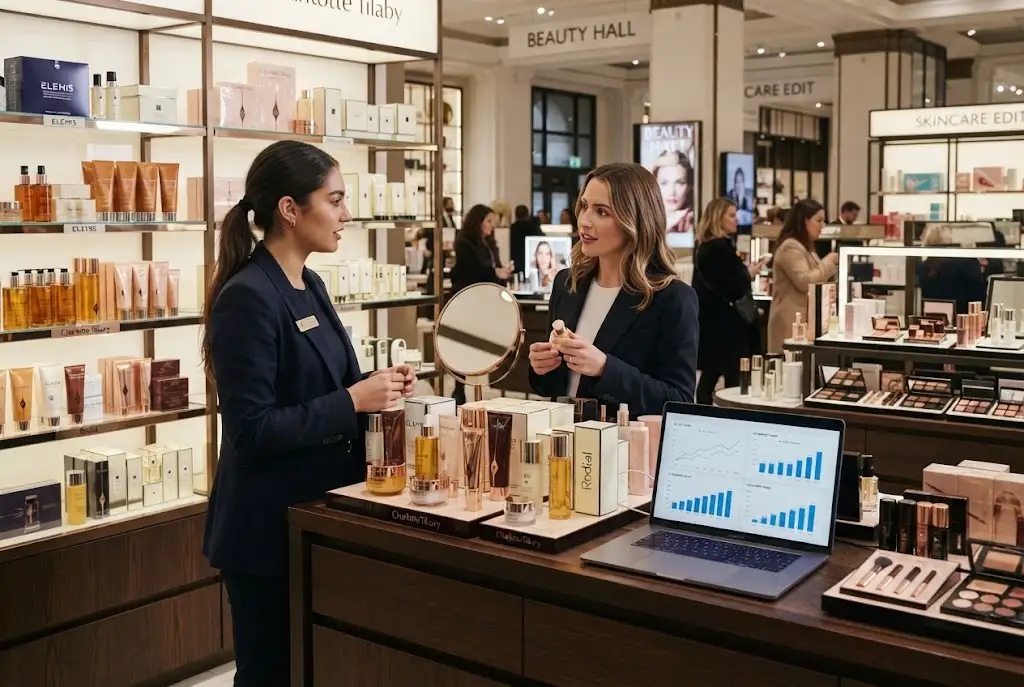
British cosmetics culture has developed through a mixture of high-street accessibility, independent brands, professional makeup artistry and international companies.
The UK market includes everyday cosmetics alongside premium and specialist products. Consumers can move between affordable high-street makeup, pharmacy skincare, independent beauty brands and luxury cosmetics depending on their needs and budget.
Product information also plays an important role. In Great Britain, cosmetic products made available to consumers must meet regulatory requirements, including having a named Responsible Person and appropriate product information. The UK government’s Office for Product Safety and Standards also advises consumers to check information such as ingredients, precautions and responsible-person details before purchasing cosmetics. :contentReference[oaicite:0]{index=0}
This regulatory environment is an important but often overlooked part of modern British cosmetics culture because it helps shape how products are presented and sold to consumers.
British Beauty Culture and the Rise of Skincare
One of the most noticeable changes in recent years has been the increasing importance of skincare. Makeup is no longer necessarily the starting point of a beauty routine. Many consumers now think about skin health, hydration, sun protection and specific skin concerns before choosing cosmetic products.
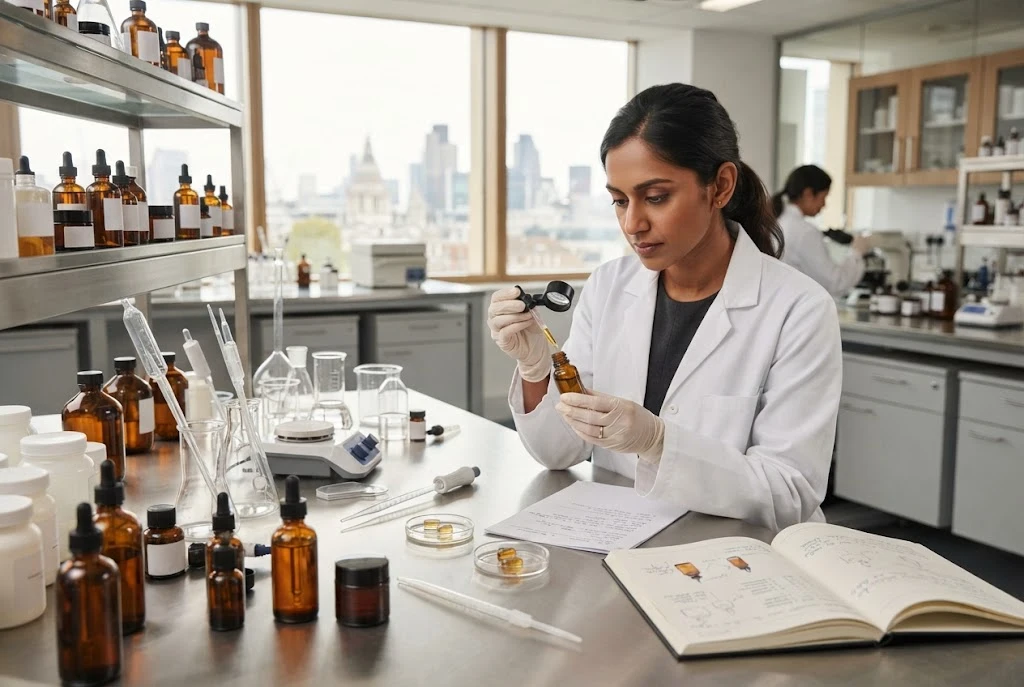
This shift has also increased interest in ingredients. Consumers are more likely to ask what a serum contains, how an ingredient works and whether there is evidence behind a product claim.
That growing interest connects naturally with beauty research, where scientific evidence, cosmetic ingredient research and clinical studies can help explain why certain products receive attention.
The result is a beauty culture that increasingly combines traditional personal care with research-informed decision-making.
Regional Beauty Culture Across Britain
There is no single regional version of British beauty culture. Beauty preferences can differ across England, Scotland and Wales, as well as between cities, towns and rural communities.
Large cities often provide greater exposure to international brands, specialist salons, fashion events and diverse cultural influences. Smaller communities may have different relationships with local salons, independent businesses and familiar beauty products.
Regional differences can also appear through social traditions, local fashion scenes and community influences. These differences are part of what makes beauty culture in Britain more varied than a simple national trend list suggests.
London and creative beauty
London has an especially visible role in contemporary British beauty because of its position within fashion, media, music and creative industries. The city brings together people from many backgrounds, creating an environment where beauty aesthetics frequently overlap.
Editorial makeup, street style, luxury beauty, alternative fashion and mainstream cosmetics can all exist within the same city.
Beauty beyond London
Looking beyond London is equally important. British beauty is also shaped by communities throughout the country, where local preferences and traditions contribute to the wider national picture.
Online shopping has made geographical differences less restrictive, but local salons, independent retailers and community networks continue to influence how people discover and use beauty products.
British Beauty Habits and Everyday Self-Care
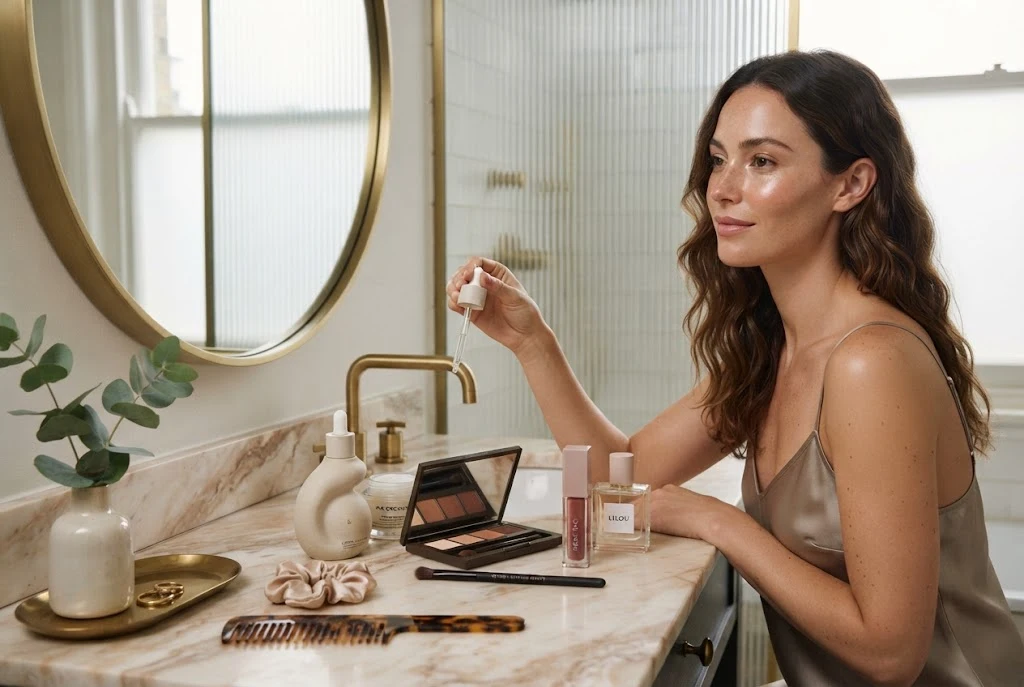
Beauty habits UK consumers follow are often closely connected to everyday routines rather than special occasions. Morning skincare, hair styling, fragrance, grooming and makeup can all become small parts of daily self-care.
At the same time, the meaning of beauty has become more personal. Some people enjoy detailed routines involving multiple products, while others prefer a minimal approach with only a few essentials.
This variety reflects a broader cultural change. Beauty is increasingly treated as a form of personal choice rather than a strict set of rules.
How Sustainability Is Changing British Beauty
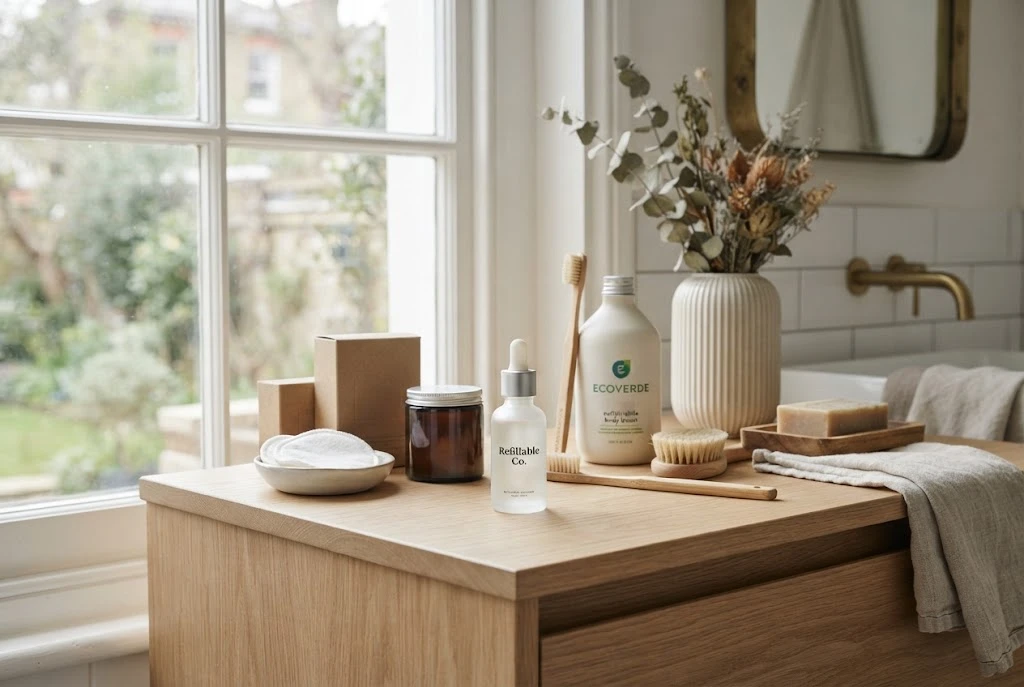
Environmental awareness is also becoming part of the conversation around cosmetics. Consumers increasingly encounter questions about packaging, refill systems, waste, product longevity and responsible purchasing.
These concerns are helping connect beauty with wider lifestyle choices. Instead of asking only whether a product looks attractive or performs well, some consumers are also considering how much packaging it uses and whether they genuinely need another product.
For a deeper look at this shift, sustainable beauty explores how environmental considerations are influencing cosmetics, skincare and purchasing behaviour.
Sustainability does not necessarily mean following a completely zero-waste routine. It can also involve buying fewer products, using products fully, choosing durable packaging or researching a brand’s environmental claims before purchasing.
British Beauty Culture in the Age of Global Beauty
Modern British beauty cannot be separated from global culture. Consumers have access to products and techniques from around the world, often without leaving home.
Korean skincare, Japanese beauty products, American makeup trends and European fragrance houses all contribute to the choices available in Britain. Social media has made this international exchange even faster.
Yet global influence has not erased British identity. Instead, UK consumers often reinterpret international trends through their own preferences.
A skincare routine inspired by Korean beauty might be simplified for a British consumer. A dramatic American makeup trend might be adapted into a more understated everyday look. A traditional British beauty preference might also be refreshed with a modern product or technique.
What Makes British Beauty Culture Distinctive?
It is difficult to define British beauty through one colour palette, product category or makeup technique. Its distinctiveness comes from the combination of influences rather than a single visual formula.
British beauty culture often allows traditional and modern ideas to coexist. Understated makeup can sit alongside experimental fashion. High-street products can be combined with luxury cosmetics. International trends can be adapted to local lifestyles.
There is also considerable space for individuality. The idea that beauty should look exactly one way has become less convincing as consumers gain access to more communities, products and perspectives.
The Future of Beauty in Britain
The next stage of British beauty culture is likely to be shaped by personalisation, technology, sustainability and increasingly informed consumers.
Artificial intelligence and digital tools may influence product recommendations and skin analysis. Ingredient-focused skincare is likely to remain important, while social media will continue to introduce new aesthetics at a rapid pace.
At the same time, consumers may become more selective about what deserves their attention. The growing availability of information makes it easier to investigate product claims, compare ingredients and understand how cosmetics are regulated.
British beauty is therefore likely to become even more diverse rather than converging on one dominant style.
Ultimately, British beauty culture is best understood as an evolving conversation between tradition and innovation. Its history provides a foundation, while fashion, technology, international influences and changing consumer attitudes continue to reshape the way people approach beauty. From everyday skincare to experimental makeup, the beauty landscape in Britain remains diverse, adaptable and distinctly personal.