

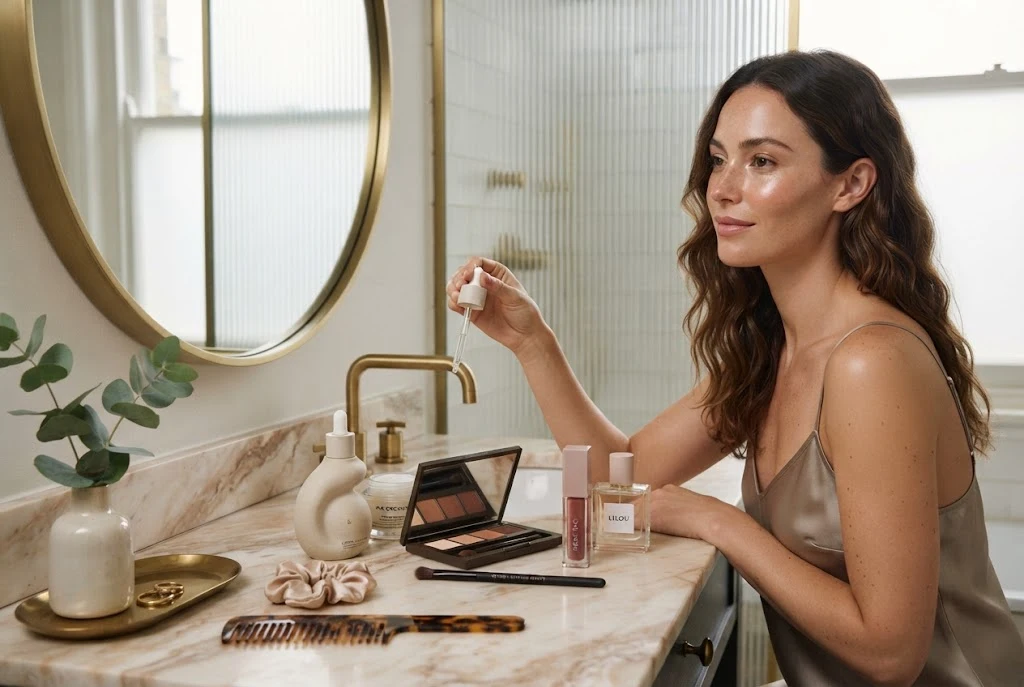
Beauty trends UK audiences are embracing in 2026 are becoming more individual, ingredient-conscious and influenced by social media. Instead of following one rigid definition of beauty, people are mixing skincare, makeup, hair and wellness ideas to create routines that suit their own style. From viral TikTok beauty trends to more personalised skincare and expressive makeup, the latest beauty landscape is as much about choice as it is about what is fashionable.
Some trends arrive through runways and professional makeup artists, while others begin with a short social media video and quickly reach high-street beauty counters. Understanding the difference between a passing viral moment and a trend with staying power can help shoppers make better choices.
Beauty Trends UK Consumers Are Watching in 2026
The beauty conversation in the UK has become broader than simply asking which lipstick shade or hairstyle is currently popular. Consumers are increasingly interested in skin health, personalised routines, innovative ingredients and beauty products that provide practical benefits.
British Vogue’s coverage of 2026 beauty points towards a particularly varied year. Its reporting has highlighted everything from softer, undone hair and expressive makeup to new skincare approaches and the continuing influence of Korean beauty. :contentReference[oaicite:0]{index=0}
This variety is important because modern beauty trends do not necessarily replace one another. A minimalist skincare routine can exist alongside experimental eye makeup, while natural-looking hair can be paired with a bold manicure.
Latest Beauty Trends UK Readers Should Know
Several directions are shaping the latest beauty trends UK consumers are seeing across social media, retail and professional beauty coverage.
Personalised skincare is becoming more important
One of the strongest shifts is towards skincare routines designed around individual concerns rather than following a long list of fashionable products. Skin type, sensitivity, age, climate and lifestyle can all influence what works for an individual.
In 2026, the conversation is also moving towards more data-led skincare. British Vogue has reported growing interest in diagnostic tools, personalised treatment plans and technologies that analyse individual skin characteristics. :contentReference[oaicite:1]{index=1}
This does not mean everyone needs an expensive device or complicated routine. For many people, the more useful approach is simply understanding what their skin needs and avoiding unnecessary products.
More relaxed hair is replacing overly polished looks
Perfectly slicked-back styles have dominated beauty feeds for years, but 2026 is bringing more movement and individuality back into hair. Tousled textures, natural volume and deliberately undone styles are becoming more visible.
British Vogue’s 2026 beauty predictions highlighted a move towards embracing frizz and less structured hairstyles, while its London Fashion Week coverage also identified misty eye makeup and softer beauty looks among the season’s runway directions. :contentReference[oaicite:2]{index=2}
For UK consumers, this trend can be particularly practical. Instead of fighting natural texture at every opportunity, styling can work with the hair rather than constantly trying to make it look perfectly controlled.
Viral Beauty Trends and the TikTok Effect
Social media has changed how quickly beauty ideas move from niche communities into mainstream shopping. A technique that might once have taken months to become widely known can now reach millions of viewers through TikTok, Instagram and short-form video platforms.
TikTok beauty trends can influence everything from product discovery and makeup techniques to skincare ingredients and salon treatments. However, popularity does not automatically mean that a trend is effective or suitable for everyone.
This distinction matters when evaluating viral beauty advice. A technique may look impressive on camera but require particular skin types, professional skills or carefully selected products. Before copying a trend, it is worth considering whether the underlying idea solves a genuine beauty need.
Why viral trends spread so quickly
Beauty is particularly suited to short-form video because the results can often be demonstrated visually. A before-and-after transformation, unusual application technique or new product texture can communicate an idea within seconds.
Creators also make trends feel accessible. Rather than seeing a technique only on a runway or celebrity, viewers can watch someone apply it at home and immediately understand how it works.
That creates a powerful cycle: discovery leads to experimentation, experimentation creates more content, and more content drives further discovery.
Trending Beauty Products: What Makes Them Popular?
Trending beauty products are not necessarily the products with the biggest advertising budgets. Increasingly, consumers look for products that combine an appealing experience with a clear purpose.
Texture is one example. Lightweight serums, balm-like formulas, glossy finishes and skin-like makeup can become popular because they demonstrate well in videos and photographs. Packaging can also contribute to a product’s visibility, particularly when the product becomes recognisable on social media.
Another factor is versatility. Products that can be used in several ways can appeal to consumers who want simpler routines. A makeup product that works across cheeks, lips or eyes, for example, can fit naturally into a more streamlined beauty routine.
Rather than buying every product that becomes viral, consumers can ask three useful questions: Does it address a real need? Is the formula appropriate for my skin or hair? And will I realistically use it after the trend disappears?
Skincare Trends Shaping Beauty in 2026
Skincare remains one of the most active areas of beauty innovation. The emphasis in 2026 is increasingly moving beyond the simple promise of instant glow towards skin resilience, personalisation and measurable outcomes.
Interest in skin longevity is one example. Current beauty coverage is focusing more heavily on maintaining healthy-looking skin over time rather than relying solely on quick cosmetic effects. Personalised skincare and advanced diagnostic technology are also becoming part of the conversation. :contentReference[oaicite:3]{index=3}
At the same time, K-beauty continues to influence the UK market. British Vogue’s 2026 coverage highlights the continuing expansion of Korean beauty, including interest in toner pads, innovative masks, pore-focused products and scalp care. :contentReference[oaicite:4]{index=4}
The wider lesson is that skincare trends are becoming increasingly education-led. Consumers want to know what a product is designed to do, how an ingredient works and how it should fit into a routine.
Makeup Trends Moving Into the Mainstream
Makeup in 2026 is not moving in only one direction. Minimal, skin-focused makeup remains relevant, but more expressive looks are returning at the same time.
Cool-toned shades, soft smoky eyes and glossy neutral lips are among the directions identified in British Vogue’s 2026 beauty predictions. More experimental makeup is also gaining attention, including renewed interest in colourful eyeshadow and deliberately expressive looks. :contentReference[oaicite:5]{index=5}
The blurred lip is another example of how contemporary makeup can combine polish with an effortless finish. Rather than creating an extremely sharp lip line, the colour is softened around the edges for a more diffused appearance. The look has continued to receive attention through summer 2026. :contentReference[oaicite:6]{index=6}
Meanwhile, icy blue eyeshadow has returned through the renewed interest in Y2K beauty, demonstrating how older aesthetics can be reinterpreted rather than simply copied. :contentReference[oaicite:7]{index=7}
Trending Beauty Ingredients Are Getting More Attention
Ingredients have become a major part of the beauty conversation. Consumers are increasingly interested in what sits behind the packaging, especially when a product claims to improve hydration, texture, pigmentation or signs of ageing.
However, an ingredient becoming fashionable does not automatically make every product containing it effective. Concentration, formulation, stability, compatibility with other products and individual skin characteristics all matter.
This is where understanding beauty research can make trend-driven shopping more useful. Research-led information can help separate an ingredient with meaningful evidence behind it from one that is popular mainly because of social media exposure.
The same principle applies to emerging beauty technology. As AI-supported skin analysis, diagnostic devices and personalised treatments become more visible, consumers will need reliable information to understand what these technologies can actually offer.
Are Beauty Trends Worth Following?
Not every trend deserves a place in your routine. Beauty trends can be useful because they introduce people to new techniques, products and ways of thinking about personal care. However, trends should be treated as inspiration rather than instructions.
A good trend should fit your needs, budget and lifestyle. If a viral skincare routine contains several active ingredients that your skin does not tolerate, following it simply because it is popular may create more problems than benefits.
The same applies to makeup. A runway-inspired look can be adapted rather than copied exactly. Someone who does not want a full smoky eye can use the same colour palette in a softer way. Likewise, a dramatic lip trend can become a subtle stain for everyday wear.
How UK Beauty Trends Reflect Changing Consumer Habits
The evolution of beauty in Britain reflects a broader shift towards personal choice. Consumers are exposed to international influences while still adapting trends to local lifestyles, weather, budgets and cultural preferences.
That is particularly visible in the UK, where high-street retailers, specialist beauty stores, salons, online brands and social media creators all contribute to product discovery.
There is also greater interest in understanding where products come from and how they are made. For readers interested in the environmental side of beauty, sustainable beauty provides an important next step, particularly when considering packaging, product longevity and purchasing habits.
Beauty trends therefore cannot be separated completely from wider consumer priorities. What people buy, how often they replace products and which claims they trust all influence the direction of the industry.
What Could Define the Next Stage of Beauty?
The biggest beauty trends of 2026 suggest that the industry is moving towards a balance between technology, individuality and informed decision-making.
Social media will continue to create viral moments, but consumers are becoming better equipped to question them. Skincare is becoming more personalised, while makeup is becoming more expressive. Hair is moving towards natural texture, and beauty technology is creating new possibilities for diagnosis and customisation.
At the same time, the growing interest in sustainability means that the future of beauty will not be defined only by what looks good on a shelf. Packaging, formulation, longevity and responsible consumption are likely to remain important considerations.
For anyone following beauty trends UK audiences are embracing, the most useful approach is simple: take inspiration from the trend, investigate the idea behind it, and then adapt it to your own needs. That approach allows you to enjoy new beauty movements without becoming dependent on every viral product or technique.
