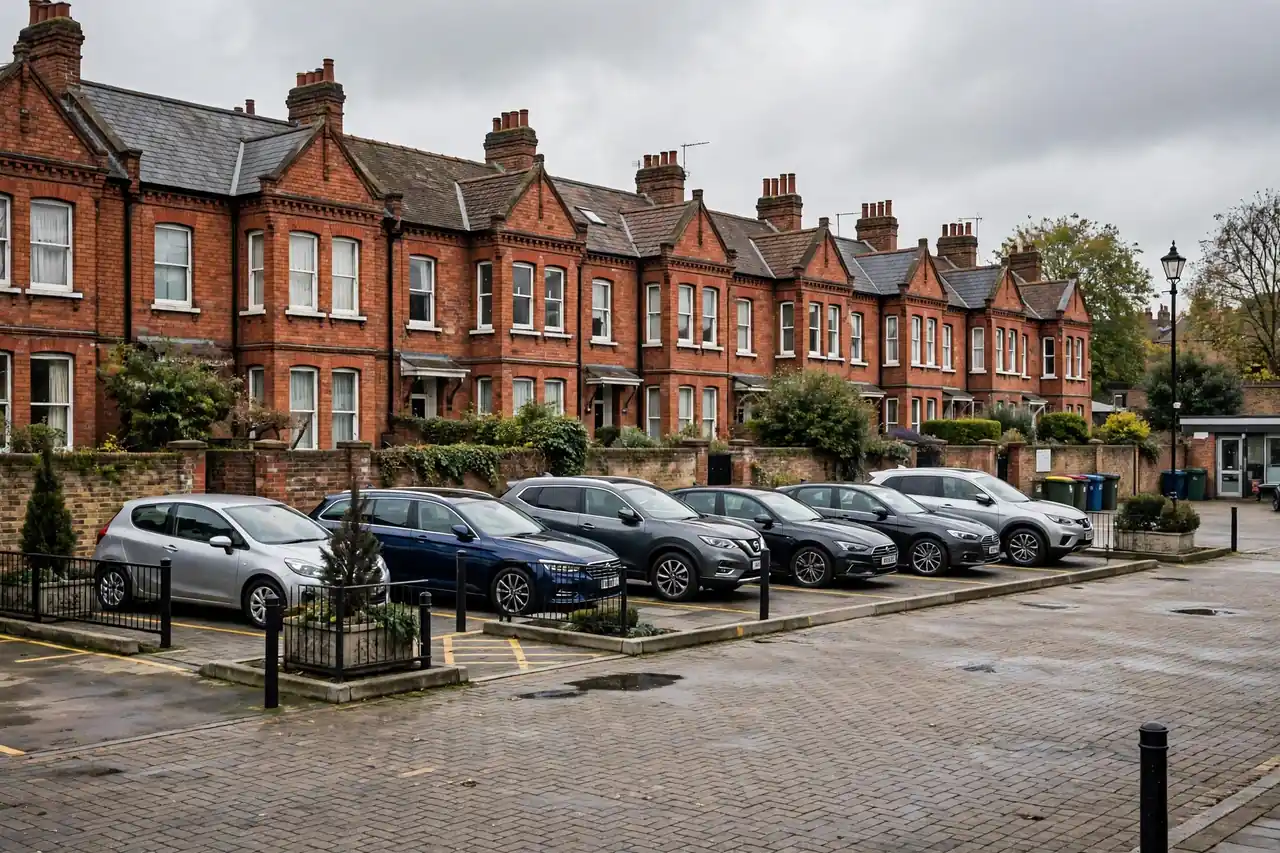
For many drivers, buying used cars in London is the smartest way to own a vehicle in the capital. New cars lose value quickly, while a well-chosen used car gives you freedom to travel without the steepest depreciation. The London market has its own quirks, though, from ULEZ compliance to limited parking, so it pays to buy carefully. This guide walks through the checks, paperwork and decisions that matter most.
Why a Used Car Makes Sense in the City
London driving is stop-start, mileages are often low, and many journeys are short. That pattern suits a reliable used hatchback or small SUV far better than an expensive new model. A car that is a few years old will usually have modern safety kit and emissions standards, while someone else has absorbed the biggest drop in value.
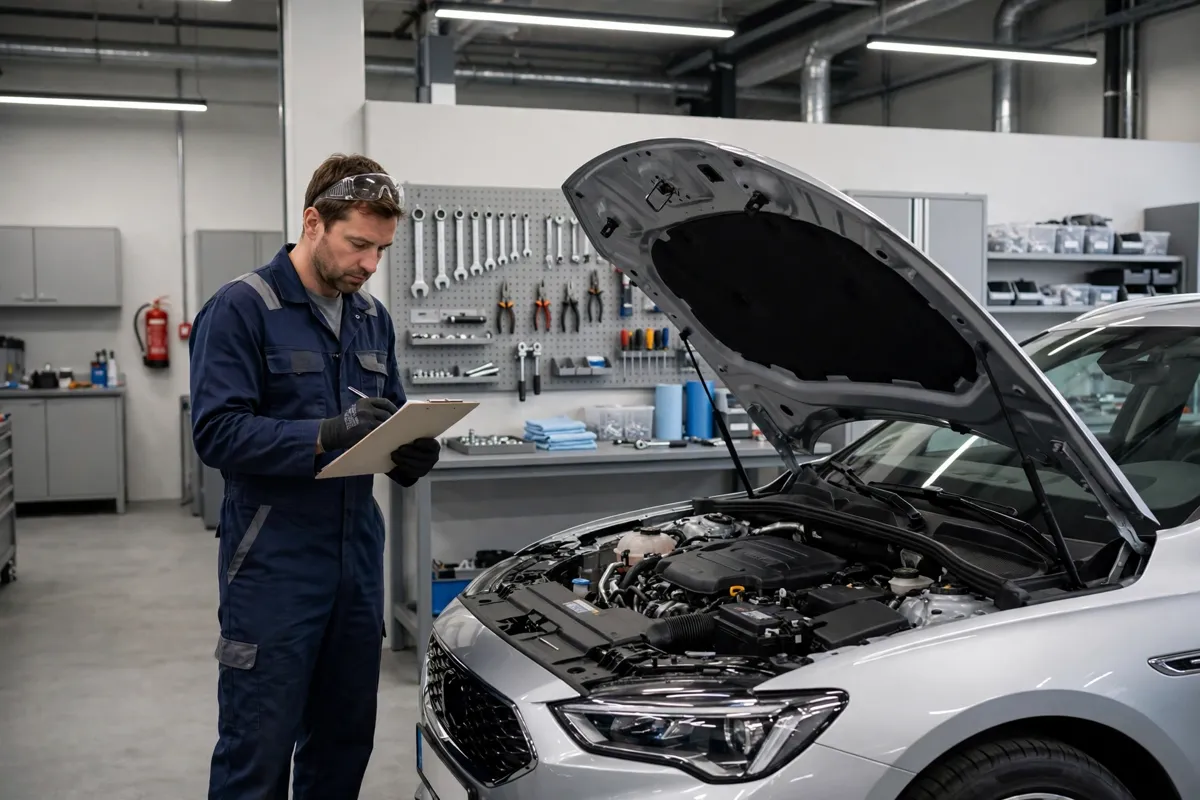
Before you start viewing cars, think honestly about how you will use yours. School runs, commuting across boroughs and weekend trips out of the capital all point to different choices. Our guide to car servicing in London is a useful reminder that running a car here involves more than the purchase price, so budget for the whole picture from the start.
Check ULEZ Compliance Before Anything Else
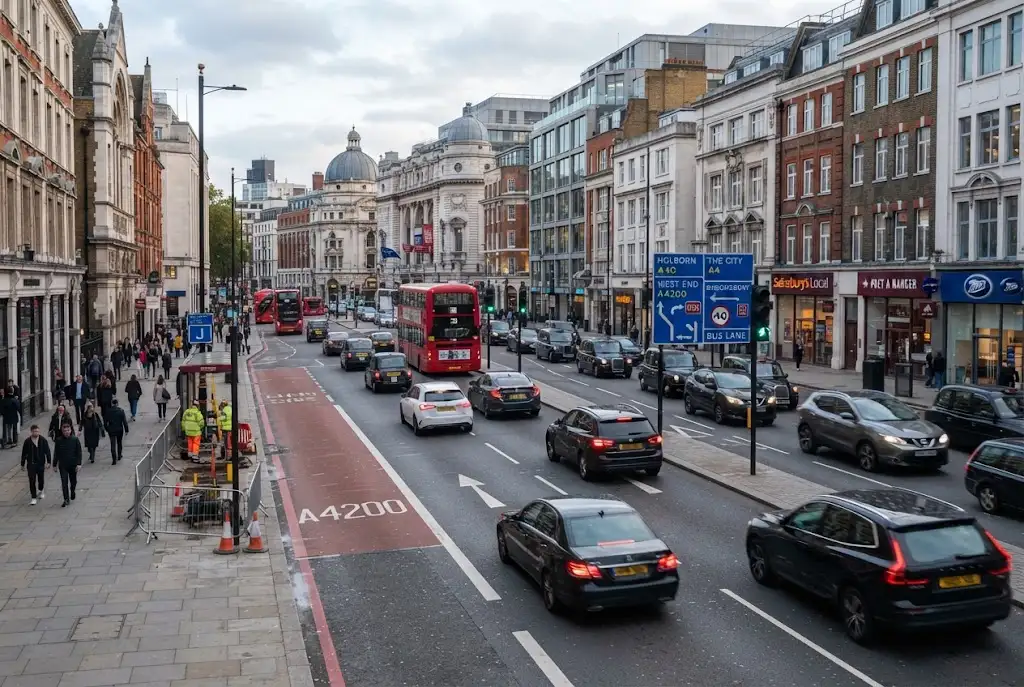
The Ultra Low Emission Zone now covers all London boroughs, and non-compliant vehicles face a daily charge. That makes emissions compliance one of the first things to check on any used car you are considering. Generally, petrol cars from around 2006 onwards and diesel cars from around 2016 onwards meet the standard, but individual models vary, so never rely on the year alone.
Transport for London provides a free vehicle checker where you can enter the registration number and confirm whether a specific car is compliant. Do this before travelling to view a car, and be extra careful with older diesels, which are the most likely to fall outside the rules. A non-compliant car can still be a bargain if you rarely drive into the zone, but you should make that decision with your eyes open.
Where to Buy Used Cars in London
You have three main routes. Franchised and independent dealers offer the most legal protection, and cars usually come prepared with a warranty of some kind. Private sellers can be cheaper, but you buy with far fewer rights if something goes wrong. Online marketplaces sit somewhere in between, listing both dealer and private cars.
Whichever route you choose, view the car in daylight and dry weather if you can, when scratches, dents and mismatched paint are easier to spot. Take a proper test drive that includes side streets, a dual carriageway and some parking manoeuvres, so you can judge how the car copes with real London conditions.
The Checks That Really Matter
Start with the paperwork. The V5C logbook should match the seller’s name and address, and the vehicle identification number on the car should match the document. Check the service history: stamps in a book or digital records suggest the car has been maintained, and gaps are worth asking about.
You can check a car’s MOT history free through the official GOV.UK MOT history service, which shows pass and fail records plus recorded mileages. Look for mileage that rises steadily, and read old advisories, as they hint at upcoming bills. For background on what the annual test involves, see our guide to MOT and service in London.
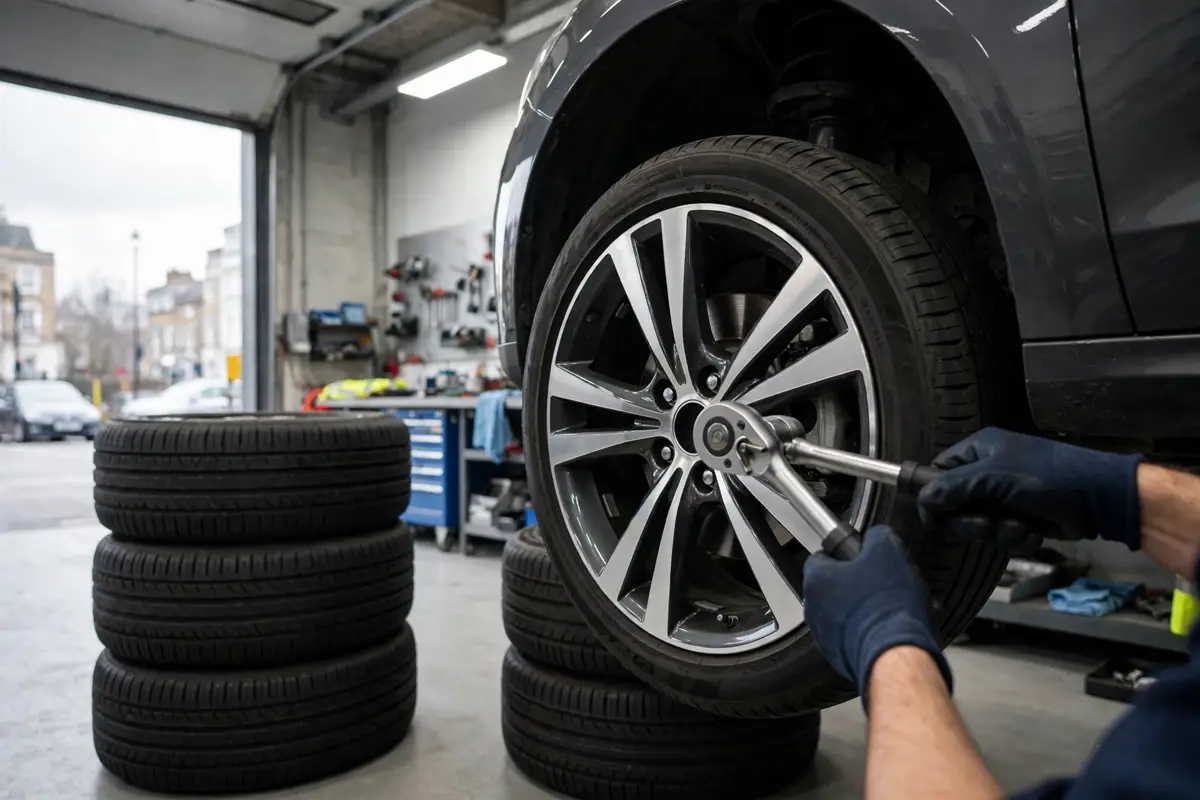
On the car itself, check the tyres for tread and uneven wear, test every electrical switch, and look underneath for leaks. Our guide to tyre services in London explains what healthy tyres should look like, which is handy knowledge when assessing a potential purchase.
On more expensive purchases, consider paying for a full vehicle history check from one of the established providers. These checks flag whether a car has been written off, has outstanding finance, shows a mileage discrepancy or has been reported stolen. Sellers are not always hiding something, but the check costs little compared with the price of the car and can save you from inheriting someone else’s debt.
Test Drive Red Flags
During the test drive, turn the radio off and listen. Knocking or whining noises, a clutch that bites very high, smoke from the exhaust on acceleration and a steering wheel that sits off-centre while driving straight are all reasons to walk away or negotiate hard. Check that the car starts cleanly from cold; a seller who has warmed the engine up before you arrive may be masking a starting problem.
Try the brakes from a moderate speed in a safe place. The car should pull up straight without vibration through the pedal. Test reverse gear and, on an automatic, confirm the changes are smooth in both directions. Fifteen unhurried minutes behind the wheel tells you more than an hour of looking at bodywork.
Budgeting Beyond the Sticker Price
The advertised price is only the beginning. Factor in insurance, vehicle tax, fuel, parking permits where your borough requires them, and the cost of any immediate work such as tyres or brakes. Our breakdown of car service costs in London will help you estimate the first year’s maintenance realistically.
If you plan to keep the car for several years, a service plan can spread maintenance costs into predictable payments. Our article on car service plans for London drivers looks at when they are worth considering. Keeping up with regular vehicle maintenance also protects the car’s resale value when you eventually sell it on.
Final Steps Before You Drive Away
Never pay in full without seeing the car and its documents, and be suspicious of deals that seem far cheaper than similar models. Agree what is included in the sale, get a receipt, and arrange insurance and tax before driving away, as the car must be taxed in your name from the moment you own it.
Buy patiently and a used car in London can serve you well for years. Do the compliance check, study the history, test the car properly, and budget for the full cost of ownership, and you will avoid the mistakes that catch out rushed buyers.