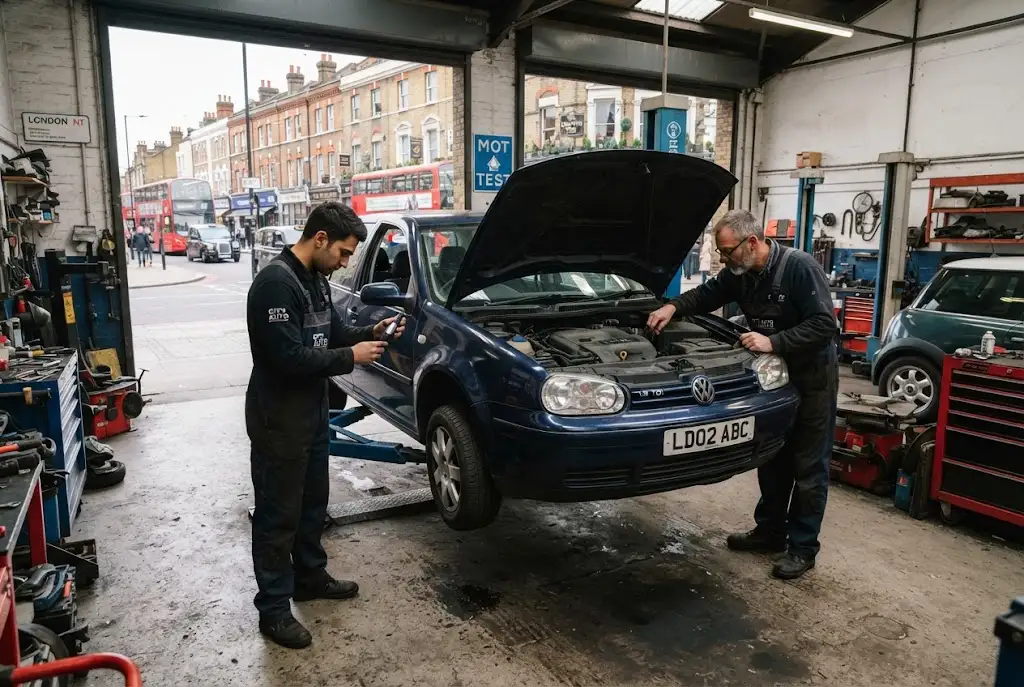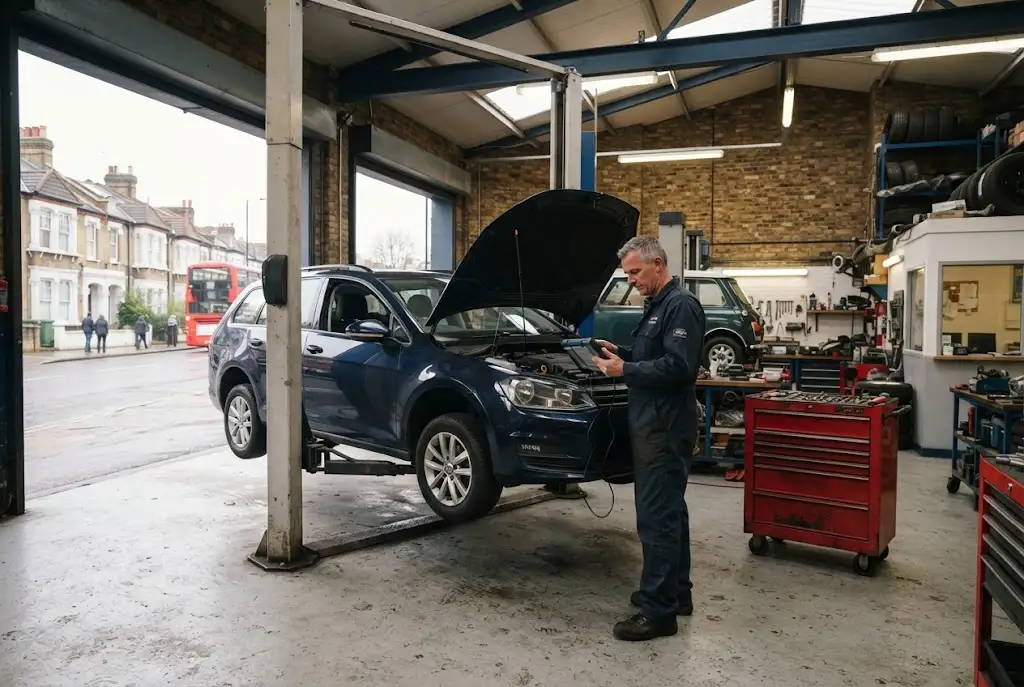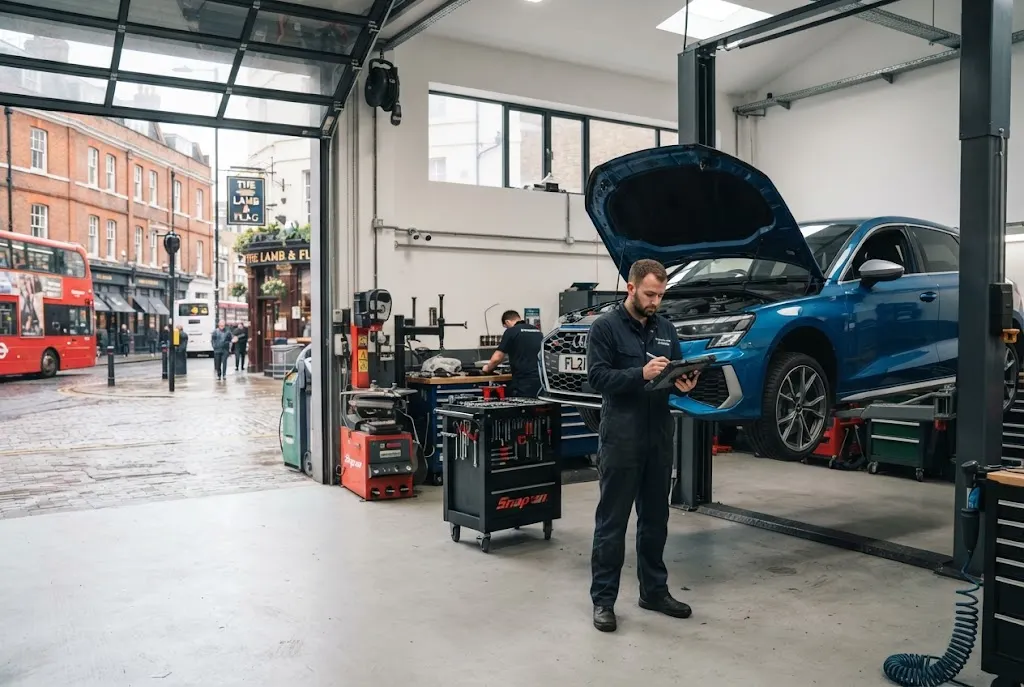
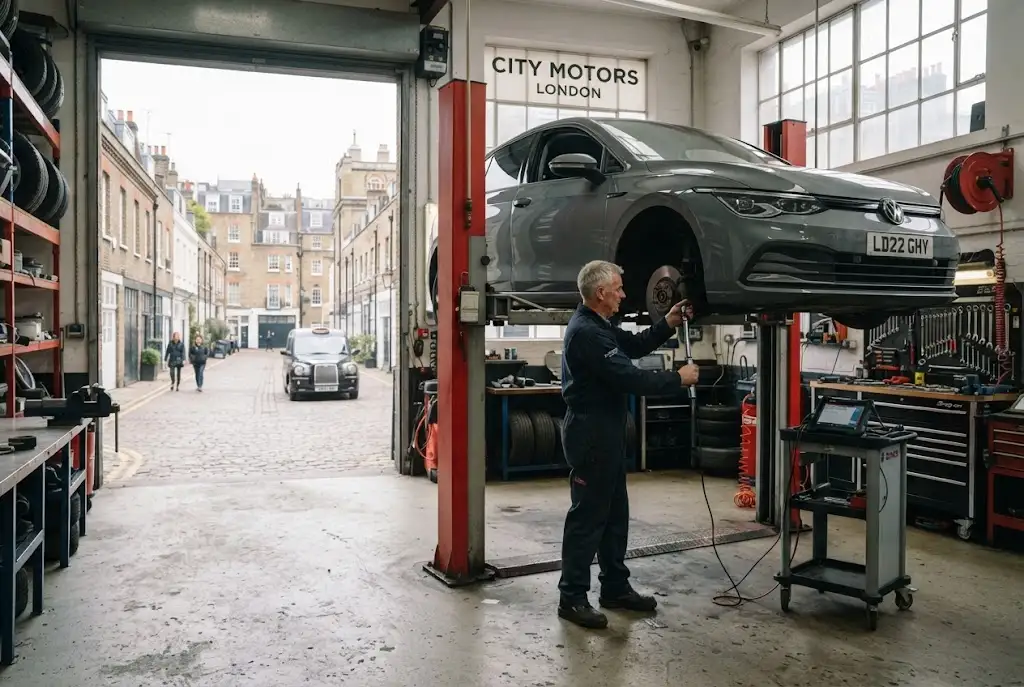
Finding the right auto service garage can make vehicle ownership considerably easier in a city as large and busy as London. From routine servicing and brake inspections to diagnostics and mechanical repairs, motorists need accessible workshops that understand the demands of urban driving. Independent London garages and local service centres operate across the capital, giving drivers options close to home, work or their regular commuting routes.
London’s boroughs have different transport patterns, road layouts and driving conditions. Some motorists use their cars every day for commuting, while others rely on them for family journeys, business travel, shopping or occasional trips. As a result, local automotive services need to accommodate a wide range of vehicles and maintenance requirements.
What Does an Auto Service Garage Provide?
An auto service garage can provide a broad range of vehicle maintenance and repair services. The exact offering varies from one workshop to another, so motorists should check that a garage has the equipment and experience needed for their particular vehicle.
Common services include routine servicing, oil and filter changes, brake inspections, tyre work, battery replacement, suspension repairs and vehicle diagnostics. Some workshops also provide air-conditioning servicing, exhaust repairs, clutch work and electrical fault diagnosis.
Regular servicing is particularly useful for identifying developing problems before they result in an unexpected breakdown. Following the vehicle manufacturer’s maintenance recommendations can also help drivers keep track of components that require periodic inspection or replacement.
London Garages Across Different Boroughs
London is made up of numerous boroughs, each with its own mix of residential areas, commercial districts, transport links and road conditions. Consequently, motorists often look for London garages that are conveniently located rather than travelling across the capital for routine work.
A nearby workshop can be especially useful when a vehicle needs to remain at the garage for several hours or days. Dropping off a car before work and collecting it later may be considerably more practical when the garage is located close to home or a regular commute.
Local availability also matters during unexpected problems. A driver experiencing a warning light, unusual noise or starting problem may need a workshop that can assess the vehicle without requiring a lengthy journey.
Central London and Outer Borough Needs
Driving patterns can differ between central and outer areas. In densely populated locations, vehicles may spend more time in slow traffic and navigating tight streets or limited parking. Outer borough drivers may combine urban journeys with longer trips on major roads and motorways.
These differences can influence the types of maintenance motorists prioritise. Brake wear, tyres, batteries, suspension components and general servicing can all become important considerations depending on how and where a vehicle is driven.
Services for Commuter Vehicles
For people who depend on their car to reach work, reliability is often more important than convenience alone. A vehicle that develops a problem during a busy working week can disrupt appointments, childcare arrangements and commuting plans.
Regular inspections can help identify issues before they become serious. Drivers who cover substantial mileage should pay particular attention to service intervals, tyre condition, fluid levels, brakes and warning lights.
Preventative maintenance is also relevant to vehicles used for mixed driving. A commuter might spend part of the week in congestion and then make longer journeys at weekends. This combination can create different demands from a vehicle used only for occasional short trips.
Choosing Borough Service Centres Carefully
Having several borough service centres available does not mean every workshop will offer the same level of expertise. Before booking, motorists should consider the garage’s experience with their make and model, available services, diagnostic equipment, parts policy and approach to quotations.
It is sensible to ask what a proposed service includes. A basic service, full service and manufacturer-specific service may involve different checks and replacement items. Understanding the scope beforehand can prevent confusion when the vehicle is collected.
Drivers should also ask for an explanation if a technician recommends additional work. A reputable workshop should be able to explain the problem, why the repair is necessary and what could happen if the issue is left unresolved.
Questions Worth Asking Before a Booking
- Does the garage work regularly on your vehicle’s make and model?
- What is included in the requested service?
- Will diagnostic testing be required?
- What parts will be used if replacements are needed?
- Will you receive an estimate before additional work is carried out?
- How long is the vehicle likely to remain at the workshop?
- Is there a warranty covering the repair or replacement parts?
These questions can make the process more transparent and help motorists compare local workshops on more than price alone.
Local Workshops for Everyday Urban Repairs
Independent local workshops often provide an important service for motorists who prefer dealing with a nearby business. A local garage may become familiar with regular customers and their vehicles, particularly when the same car returns for scheduled maintenance.
This can be useful when diagnosing recurring issues. Previous invoices, service records and information about earlier repairs can provide valuable context for technicians.
However, vehicle owners should maintain their own records as well. Keeping invoices, service documentation and MOT information in one place makes it easier to monitor maintenance and discuss previous work with a technician.
Diagnostics and Modern London Vehicles
Modern cars increasingly rely on electronic systems and computer-controlled components. Consequently, a suitable diagnostic system can be an important part of contemporary garage operations.
A dashboard warning light does not always identify the exact component that has failed. Diagnostic equipment can help technicians investigate electronic fault codes and combine those results with physical inspections and other tests.
Drivers should therefore avoid assuming that replacing a component simply because a warning light appeared will necessarily solve the underlying problem. A proper diagnosis can help determine what actually requires attention.
Auto Service Garage Support for MOT-Related Repairs
The MOT remains an important consideration for most cars in the UK. The official MOT test assesses specific safety and environmental requirements, but it is not a substitute for routine servicing.
A garage can help motorists address mechanical issues discovered during an MOT, such as problems involving brakes, tyres, lights, suspension or other testable components. GOV.UK provides official information about MOT requirements, testing and retesting.
Drivers should keep their MOT date separate from their normal service schedule. A vehicle can have a current MOT while still requiring maintenance that falls outside the MOT’s scope.
Urban Repairs and London’s Road Conditions
Frequent stop-start driving can place considerable demands on certain vehicle components. Repeated braking, acceleration and low-speed manoeuvring are common features of urban journeys.
Road surfaces can also vary considerably. Potholes, uneven surfaces and road repairs may affect tyres, wheels, suspension and steering components. If a vehicle develops new vibration, pulling, unusual noises or changes in handling after encountering a significant road defect, it is worth having the vehicle inspected.
Parking conditions can create another set of challenges. Tight spaces and repeated manoeuvring may increase the likelihood of minor bodywork damage or wheel and tyre impacts. Promptly checking suspected damage can help identify problems that might otherwise develop unnoticed.
London Automotive Services for Different Drivers
Not every London motorist has the same maintenance requirements. A family car may require a different maintenance routine from a small city vehicle, taxi, commercial van or performance car.
Drivers should therefore choose a workshop based on the actual vehicle and its usage rather than relying solely on location. A specialist garage may be appropriate for a particular make or technical issue, while a general independent workshop may be suitable for routine servicing and common repairs.
Commercial users also need to consider downtime. For a business vehicle, an extended repair can affect deliveries, appointments and daily operations. Establishing a relationship with a dependable workshop can make scheduled maintenance easier to plan.
Planning Preventive Maintenance
Preventive maintenance is one of the simplest ways to reduce avoidable vehicle problems. Drivers should follow the manufacturer’s recommended service intervals and pay attention to changes in performance between appointments.
Basic checks remain worthwhile. Tyre pressures, tread condition, lights, windscreen condition, wipers and fluid levels can all affect safe everyday driving. Warning lights should not be ignored, particularly when they are accompanied by unusual sounds, smells or changes in vehicle behaviour.
For busy London motorists, scheduling maintenance before a major journey or during a quieter period can also reduce disruption. A small amount of planning may prevent an inconvenient breakdown later.
Finding a Garage That Fits Your Routine
The most convenient workshop is often one that fits naturally into your daily routine. A garage near home may suit a resident who uses public transport after dropping off a vehicle, while a workshop near an office may be more practical for a commuter.
Location should nevertheless be considered alongside technical capability, communication and transparency. A slightly longer journey may be worthwhile if a workshop has the appropriate experience for a complicated repair.
For recurring maintenance, consistency can also be useful. Returning to the same garage means technicians may become familiar with the vehicle’s history, while the owner develops a clearer understanding of the workshop’s approach.
Making Local Garage Services Easier to Manage
London’s size means motorists have no shortage of automotive businesses to choose from. The challenge is finding a workshop that matches the vehicle, the required service and the driver’s practical needs.
Start by identifying the type of work required, then compare suitable London automotive services based on location, experience, service range and communication. Ask for a clear estimate, keep records of completed work and follow the manufacturer’s maintenance recommendations.
For motorists who want to keep exploring local vehicle-care options, related subjects such as vehicle maintenance for urban driving, car care for busy Londoners and mobile mechanics covering London provide useful context for different ownership situations.
Conclusion
An auto service garage can play an important role in keeping a London vehicle reliable, safe and ready for everyday use. From routine servicing and diagnostics to MOT-related repairs and unexpected mechanical problems, local workshops provide practical support across the capital.
The right choice depends on the vehicle, the required work and the driver’s circumstances. By comparing local garages carefully, asking clear questions and maintaining a consistent servicing routine, London motorists can make vehicle maintenance a more manageable part of urban life.