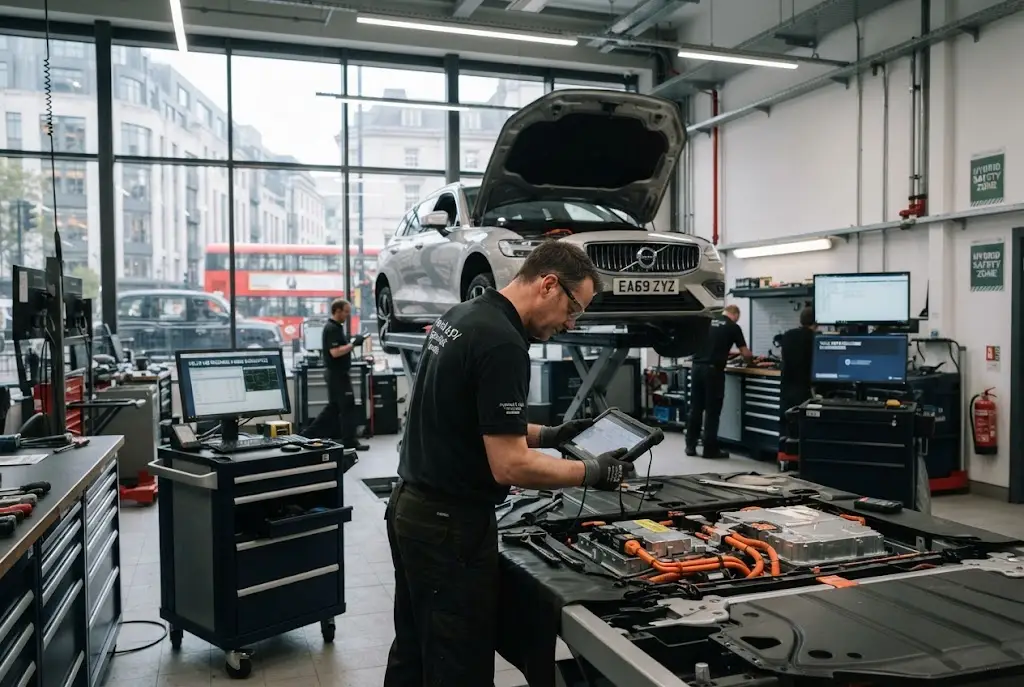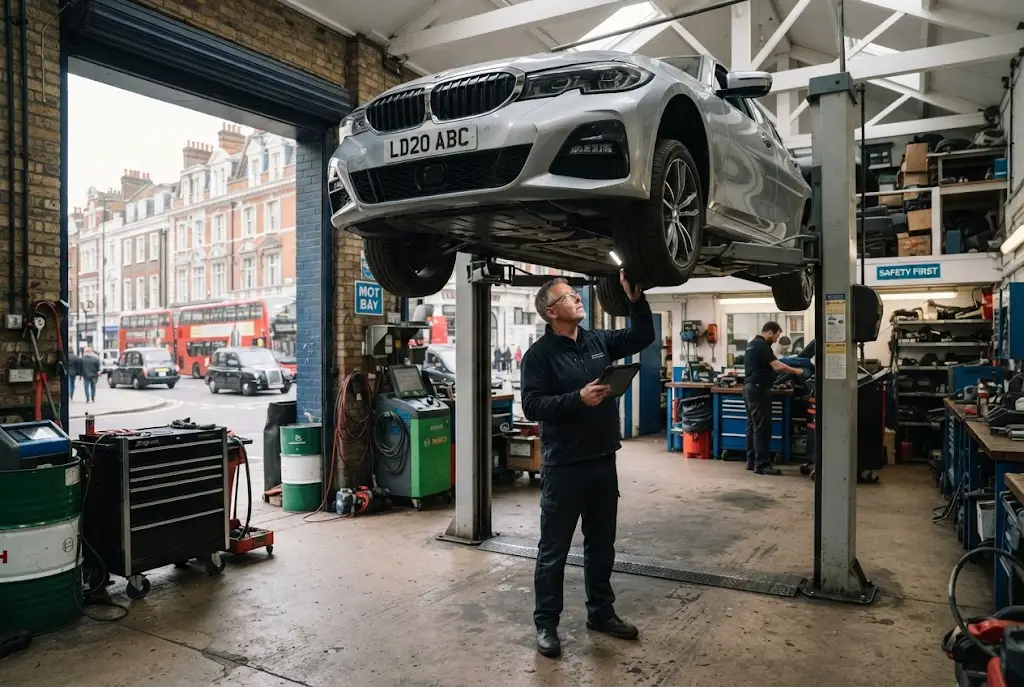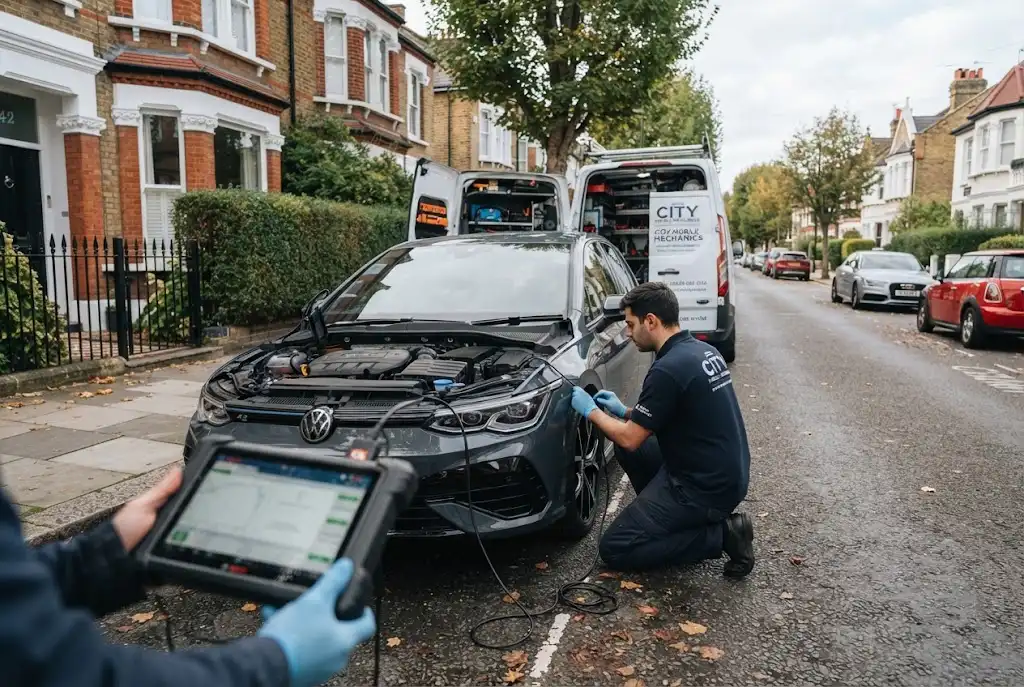
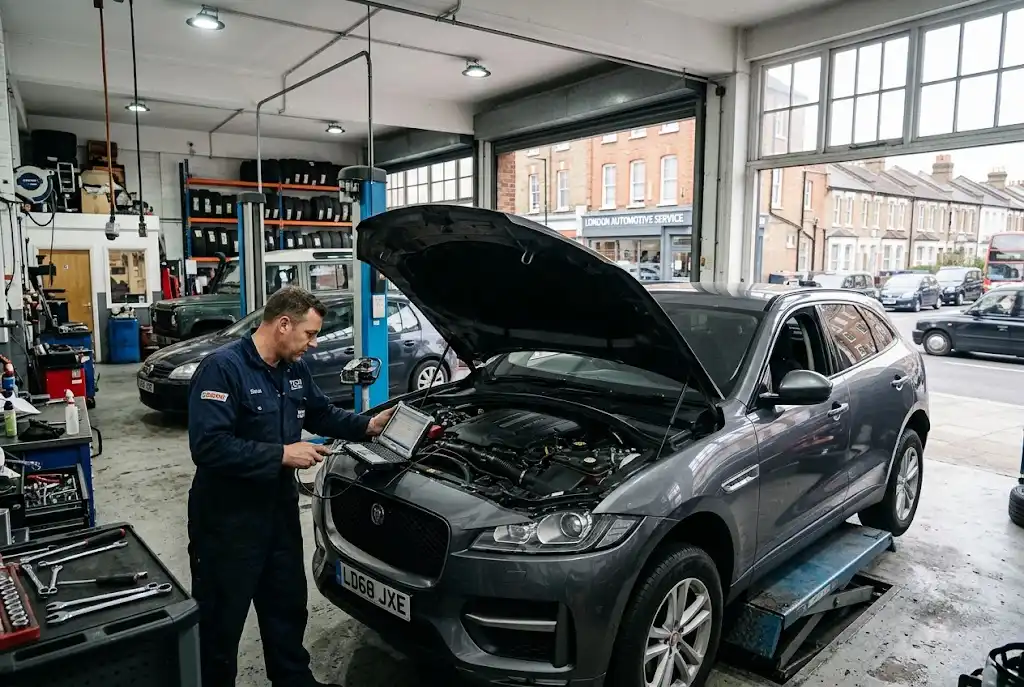
Regular car servicing is an important part of keeping a vehicle reliable, efficient and ready for everyday journeys. For London motorists, servicing can be particularly valuable because city driving often involves congestion, repeated braking, short journeys and stop-start traffic. A suitable service gives technicians an opportunity to inspect key components, identify developing problems and carry out maintenance based on the vehicle’s requirements.
However, not every service is the same. Drivers may come across terms such as interim service, full service and major service, each of which can involve a different level of inspection and maintenance. Understanding these differences makes it easier to choose an appropriate service and plan vehicle care without relying solely on mileage or a dashboard reminder.
Why Car Servicing Matters for London Drivers
London vehicles can experience demanding driving conditions throughout the year. Daily commuting may involve frequent acceleration and braking, queues, low-speed driving and repeated short trips. These conditions can place additional demands on certain vehicle components.
Regular servicing provides a structured opportunity to check the condition of the vehicle rather than waiting until a noticeable fault develops. Depending on the vehicle and service requirements, technicians may inspect or maintain items such as engine oil, filters, brakes, tyres, lights, fluids and other mechanical or electronic systems.
Servicing is therefore more than simply changing the oil. It forms part of a wider maintenance routine designed around the vehicle’s age, mileage, manufacturer recommendations and usage.
What Does Car Servicing Usually Include?
The precise work included in a service varies between vehicles and service levels. A garage should be able to explain what its chosen service package covers before work begins.
Typical checks may include fluid levels, engine oil, filters, brakes, tyres, steering, suspension, lights and other important components. Some services may also include diagnostic checks or inspection of specific systems based on the manufacturer’s recommendations.
Consumable items may need replacing as part of servicing, although this depends on their condition and the service schedule. Drivers should not assume that every component will be replaced during every visit.
Interim Service
An interim service is generally intended for vehicles that receive frequent use or require more regular attention between larger services. It can provide an additional maintenance checkpoint for drivers covering substantial mileage or spending considerable time on the road.
The exact checks and replacement items vary by vehicle and garage. Drivers should therefore confirm the included work rather than assuming that an interim service follows one universal checklist.
Full Car Service
A full car service normally involves a broader set of inspections and maintenance tasks than a basic or interim service. It can be suitable when a vehicle reaches the relevant service interval or when the manufacturer’s maintenance schedule calls for more comprehensive attention.
For many London motorists, a full service can be a useful part of an annual vehicle-care routine. However, the appropriate timing depends on the vehicle’s individual requirements.
Major Service
A major service generally involves more extensive maintenance than routine servicing. The work can include additional inspections or replacement of service items that are scheduled less frequently.
Because maintenance schedules differ between manufacturers and models, a major service should be planned using the vehicle’s specific service information. A garage with experience working on the relevant make and model can help explain which items are due.
How Often Should You Book Car Servicing?
There is no universal servicing interval that suits every vehicle. Manufacturer recommendations are an important starting point, while mileage, vehicle age, driving habits and operating conditions can also influence maintenance needs.
A vehicle used primarily for short urban journeys may experience different conditions from one that regularly travels long distances. Similarly, a high-mileage commuter vehicle may require a different maintenance approach from a car used occasionally.
Rather than waiting for a problem, London drivers should keep track of their service history and follow the appropriate maintenance schedule. Keeping records of completed work can also make future servicing easier because the garage can see what has already been carried out.
Car Servicing and London’s Stop-Start Traffic
Urban driving can create a distinctive pattern of vehicle use. Congestion means that drivers may spend significant periods moving slowly, stopping and restarting. Frequent braking can contribute to wear, while short journeys may mean that the vehicle does not always experience the same operating conditions as it would during longer trips.
This does not mean that every London vehicle needs additional servicing beyond its manufacturer’s recommendations. Instead, it highlights why drivers should consider how they actually use their vehicles when discussing maintenance with a professional.
Regular checks can help identify developing issues before they become disruptive. If a driver notices changes in braking, steering, engine behaviour or dashboard warnings, it is sensible to seek professional advice rather than simply waiting for the next scheduled service.
Choosing London Service Centres and Local Garages
London has a wide selection of garages and service centres, so choosing the right one can require some research. The most suitable option depends on the type of vehicle, the service required and the level of specialist knowledge needed.
Independent garages can be convenient for motorists who prefer a local workshop and direct communication with technicians. Larger service centres may provide broader facilities or manufacturer-specific expertise. Neither option is automatically right for every driver.
When comparing garages, consider whether the workshop has experience with your vehicle, provides a clear explanation of the recommended work and gives you an opportunity to approve additional repairs before they are carried out.
For a broader overview of finding suitable auto services in London, drivers can consider how servicing fits into their wider vehicle maintenance routine.
Questions to Ask Before Booking a Service
A few simple questions can help avoid misunderstandings when arranging a service.
- Which type of service is recommended for my vehicle?
- What work is included in the quoted price?
- Will you check the manufacturer’s service requirements?
- Will you contact me before carrying out additional repairs?
- Will the completed work be recorded in the service history?
- Are replacement parts and labour included in the quotation?
Clear answers can make it easier to compare different London service centres. They also help ensure that the driver understands what the garage is being asked to do.
Car Servicing Is Different from an MOT
An MOT and a service have different purposes. An MOT is a statutory test that assesses whether a vehicle meets the required roadworthiness and environmental standards at the time of testing. The Driver and Vehicle Standards Agency provides official guidance for the MOT testing scheme through GOV.UK.
A service is maintenance work designed to help keep the vehicle in suitable operating condition. It can include inspections and maintenance that are not part of the MOT test.
As a result, passing an MOT does not mean that a vehicle has received all the maintenance it needs. Likewise, completing a service does not replace an MOT when the vehicle is legally required to have one.
Drivers who want to understand how these two requirements work together can read our guide to MOT and service in London.
Signs Your Vehicle May Need Attention
Scheduled servicing should remain part of your maintenance routine, but drivers should not ignore symptoms that appear between appointments. Changes in the way a vehicle drives can provide an early indication that something needs investigation.
Potential warning signs include unusual noises, vibrations, changes in braking performance, difficulty steering, fluid leaks, persistent dashboard warning lights or changes in engine performance.
These symptoms do not necessarily identify a particular fault by themselves. A qualified technician can inspect the vehicle and determine whether further investigation or repair is required.
Keeping Your Service History Up to Date
A clear service history can help you manage vehicle maintenance over time. Record the date and mileage of each service, along with relevant repair or replacement work. Keeping invoices and service documentation together can also make it easier to understand the vehicle’s maintenance history.
This information becomes particularly useful when the vehicle changes ownership. A well-documented history allows a prospective buyer to see how the vehicle has been maintained rather than relying only on its current condition.
It can also help your garage plan future maintenance. Knowing when filters, fluids or other scheduled items were last addressed reduces the risk of overlooking routine work.
Car Servicing for Commuter Vehicles
For people who depend on their cars for commuting across London, reliability is often more important than convenience alone. A vehicle problem can disrupt work, appointments, family commitments and longer journeys outside the capital.
That makes proactive maintenance a sensible part of ownership. Regular servicing, combined with sensible checks between appointments, can help drivers stay aware of their vehicle’s condition.
Drivers should also remember that servicing is only one part of responsible vehicle care. Tyre condition, fluid levels, brakes, lights and other safety-related areas deserve attention throughout the year. Our guide to vehicle maintenance for London drivers provides further context on building a practical maintenance routine.
How to Make Car Servicing Easier
The simplest approach is to treat servicing as a planned responsibility rather than an emergency expense. Check the vehicle’s recommended maintenance schedule, keep an accurate service history and choose a garage that clearly explains what your vehicle needs.
Before booking, confirm the service level and ask what is included. If technicians identify additional work, ask them to explain the issue and provide an estimate before authorising repairs.
For London motorists, this approach can make vehicle ownership more predictable. Instead of reacting only when a warning light appears or a component fails, drivers can build maintenance into their normal driving routine.
Final Thoughts on Car Servicing in London
Car servicing plays an important role in maintaining vehicles used across London’s busy roads. Whether a driver needs an interim service, a full car service or a major service, the right choice depends on the vehicle’s maintenance schedule, mileage, age and driving conditions.
Regular servicing does not eliminate every possibility of a breakdown, but it provides an organised opportunity to inspect and maintain important vehicle systems. Combined with prompt attention to warning signs and sensible checks between appointments, it can support more reliable everyday motoring.
For London drivers, the best strategy is straightforward: understand the vehicle’s servicing requirements, keep accurate records, choose a reputable garage and address genuine concerns before they become larger problems. With that approach, routine servicing becomes a practical part of long-term vehicle care rather than something to think about only when an issue appears.