Keeping up with London motoring means paying attention to more than traffic levels. Roadworks, temporary closures, traffic restrictions, road-user charges and borough transport changes can all affect how drivers plan journeys across the capital. Because London’s road network changes regularly, checking reliable information before travelling can help motorists anticipate disruption and understand the rules that apply to their vehicle and route.
Why London Motoring Changes So Frequently
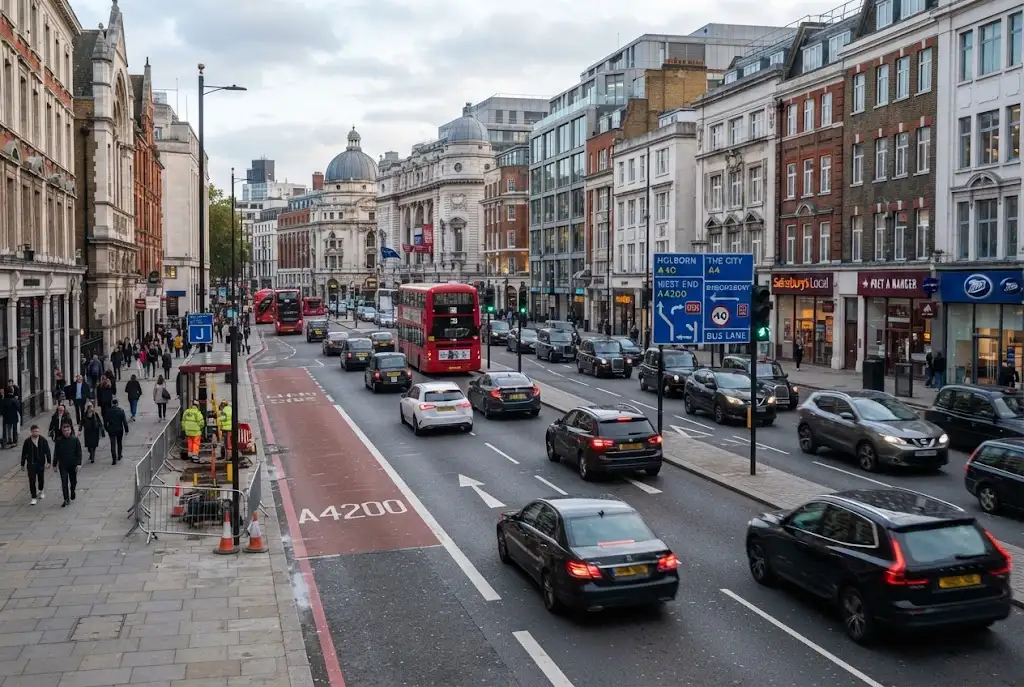
London is a large and heavily used urban road network, so road conditions can change because of utility works, construction, maintenance, traffic-management schemes, collisions and planned events. A route that normally works well can therefore become slower or require a diversion with relatively little notice.
TfL’s traffic status service provides updates for major road corridors and individual locations. Current listings can include temporary traffic lights, lane restrictions, road closures and diversion routes.
For motorists, this means that checking traffic information should be part of journey planning rather than something reserved for unusually busy days.
Traffic Changes Affecting London Drivers
Traffic changes can take several forms. Some are temporary and linked to roadworks, while others can remain in place for months because of major construction or infrastructure projects.
TfL’s current traffic listings include examples of temporary restrictions across different parts of London. These can involve utility works, highway improvements, cycleway construction and building projects.
For example, TfL currently lists works affecting locations including Kingsland High Street, Commercial Road, Hampstead Road, Pall Mall, Highbury Grove and several other London routes. The status and expected completion dates can change, so drivers should check the latest information rather than relying on an old traffic report.
Lane restrictions
A road does not need to be completely closed to cause meaningful delays. Temporary lane restrictions can reduce capacity, create queues and make turning movements more difficult.
Drivers should therefore look beyond complete road closures when checking a planned route. A partially restricted road can still affect journey times, especially during busy commuting periods.
Temporary traffic signals
Temporary traffic lights are commonly used around utility and construction works. Even where a road remains open in both directions, traffic may move through a controlled single-lane section, increasing journey times.
Road Closures and Diversions
Road closures can be particularly disruptive when they affect routes used by commuters or drivers travelling between boroughs. TfL’s traffic status system identifies closures and, where available, provides information about alternative routes.
Drivers should check whether a closure affects their entire route or only a specific direction. A road may be closed in one direction while remaining open in the other, or access may be restricted only at a particular junction.
When a diversion is provided, drivers should follow official signs rather than relying solely on an old sat-nav route. Temporary road layouts can change the most efficient route while works are taking place.
London Motoring and ULEZ
The Ultra Low Emission Zone remains an important consideration for many London motorists. However, ULEZ is only one part of London’s road-user charging system.
TfL currently states that drivers may need to pay the Congestion Charge, ULEZ, Low Emission Zone and/or Blackwall and Silvertown tunnels charges depending on their vehicle and journey. The vehicle registration number is used to determine which charges may apply.
This means drivers should check the requirements for their specific vehicle instead of assuming that a particular fuel type or vehicle description automatically determines whether a charge applies.
Checking before travelling
TfL provides online tools that allow drivers to check applicable road-user charges. This is particularly useful when travelling into central London or using routes affected by charging schemes.
Rules and charges can change, so motorists should use current TfL information when planning journeys rather than relying on outdated articles, social media posts or old screenshots.
Road-User Charges Beyond ULEZ
ULEZ is not London’s only driving-related charge. Depending on the journey, a motorist may also encounter the Congestion Charge or charges associated with the Blackwall and Silvertown tunnels.
TfL’s current road-user charging information states that tunnel charges increased on 21 September 2026, while the charging times remained unchanged.
This is a useful reminder that London motoring costs can change independently of fuel prices or routine vehicle maintenance. Drivers who regularly use particular routes should check the latest charging information when reviewing their commuting expenses.
Borough Transport Changes and Local Driving
London’s boroughs play an important role in local transport management. Roadworks, traffic-management measures and local highway projects can affect individual streets even when the wider TfL road network is operating normally.
This makes borough-level awareness useful for people who regularly drive within a particular area. A route through Westminster, Camden, Hackney, Southwark or another borough can be affected by local works that are not obvious from a general city-wide traffic summary.
TfL’s major works information explains that significant works and special events can affect journeys and advises road users to check traffic status information for their planned date of travel.
How Commuters Can Prepare for Road Disruption
Drivers who commute regularly can reduce surprises by checking their route before leaving. This does not require constantly monitoring traffic throughout the day. A quick review of official traffic information before a significant journey can reveal planned closures, major works or serious delays.
Useful habits include:
- Check TfL traffic status before a longer journey.
- Look for planned roadworks on your usual route.
- Check whether a road closure affects your direction of travel.
- Allow extra time when temporary traffic management is in place.
- Check road-user charges before entering applicable areas.
- Use official diversion signs when a route is closed.
- Review traffic conditions again if your journey is delayed significantly.
TfL also provides journey-planning tools and information about major works and events, giving drivers several ways to prepare before travelling.
London Driving During Major Events
Large public events can change traffic patterns even when no permanent road scheme is being introduced. Temporary restrictions, pedestrian-management measures, parking controls and increased traffic volumes can all affect journey planning.
TfL maintains a major works and events calendar specifically to help travellers understand changes that could affect their journeys. The organisation recommends checking relevant travel information and allowing additional time when journeys are affected.
Drivers attending an event should therefore check both the event information and the road network before setting off. The fastest normal route may not remain practical when temporary restrictions are introduced.
Traffic Changes Can Affect Vehicle Maintenance Too
Urban driving conditions can influence how frequently drivers need to think about maintenance. Repeated stop-start traffic, frequent braking and short journeys can place different demands on a vehicle from longer motorway trips.
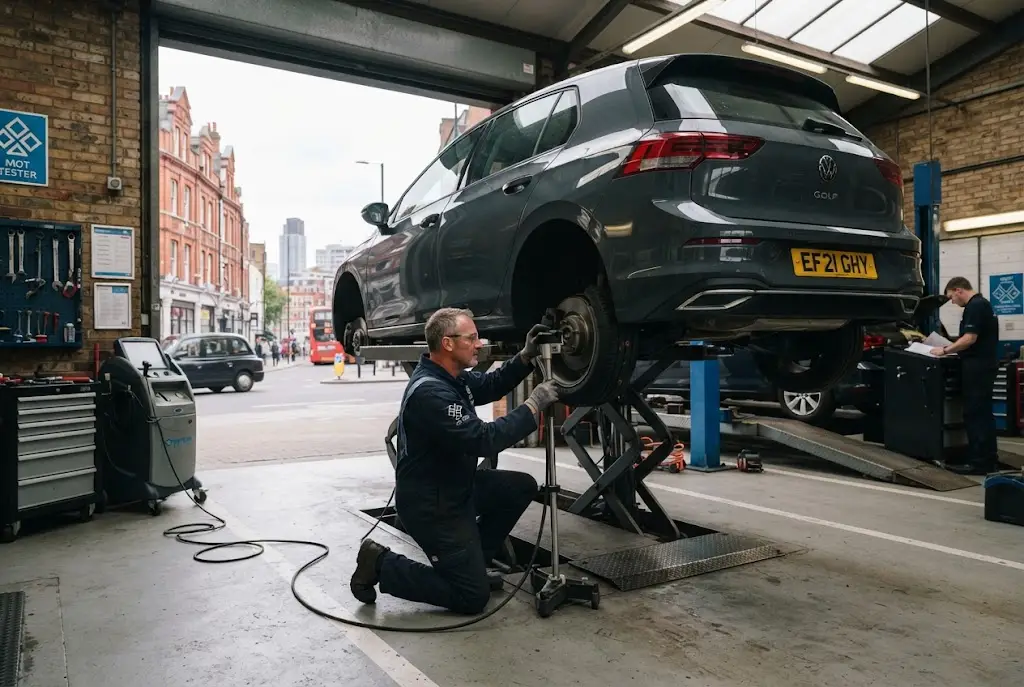
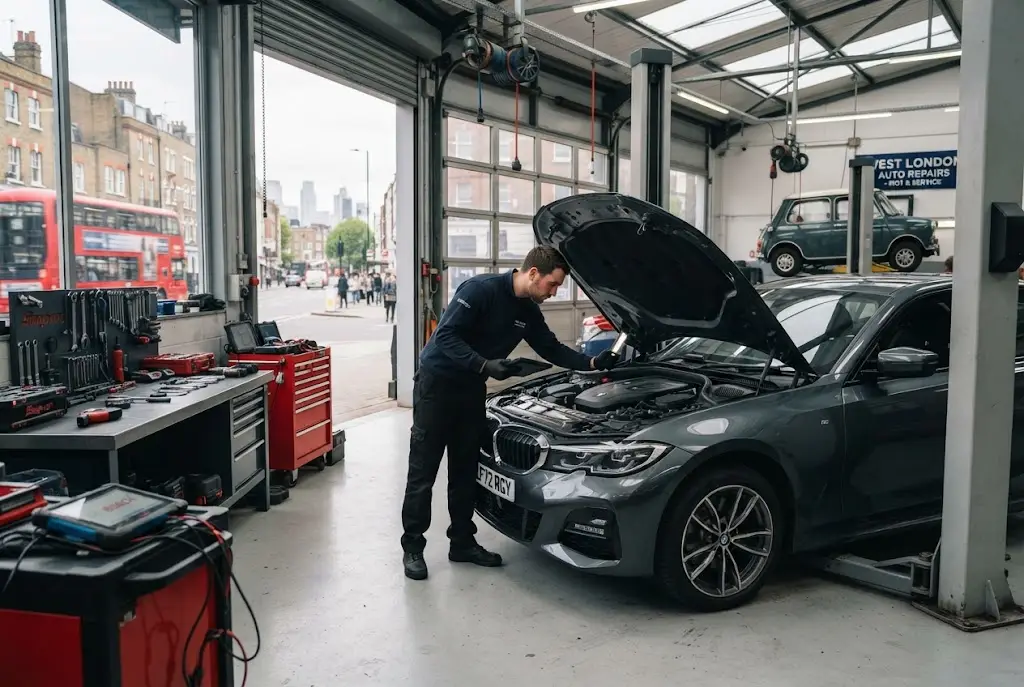
Drivers should continue following the manufacturer’s recommended service schedule and investigate unusual noises, warning lights, steering changes or braking problems. If you need a broader assessment, professional auto inspection services in London can help identify potential mechanical concerns.
Routine servicing also remains separate from London’s road restrictions. Our guide to car service cost in London explains some of the factors that influence servicing and maintenance expenses.
London Motoring and Vehicle Compliance
Road-user charging and traffic restrictions are only part of vehicle compliance. Drivers also need to ensure their cars remain properly maintained, insured, taxed where applicable and subject to a valid MOT when required.
An MOT is a statutory test of specified vehicle components and should not be confused with routine servicing. Drivers can read our guide to MOT and service requirements for a broader explanation of the distinction between annual testing and vehicle maintenance.
Keeping these responsibilities separate makes it easier to understand what each requirement actually covers. A vehicle can have a valid MOT while still requiring servicing or repairs, just as a well-maintained vehicle can still be subject to London’s road-user charging rules.
London Motoring and Electric Vehicles
The growth of hybrid and electric vehicles is another important part of London’s changing motoring environment. Drivers using electrified vehicles still need to consider maintenance, charging and applicable road-user requirements.
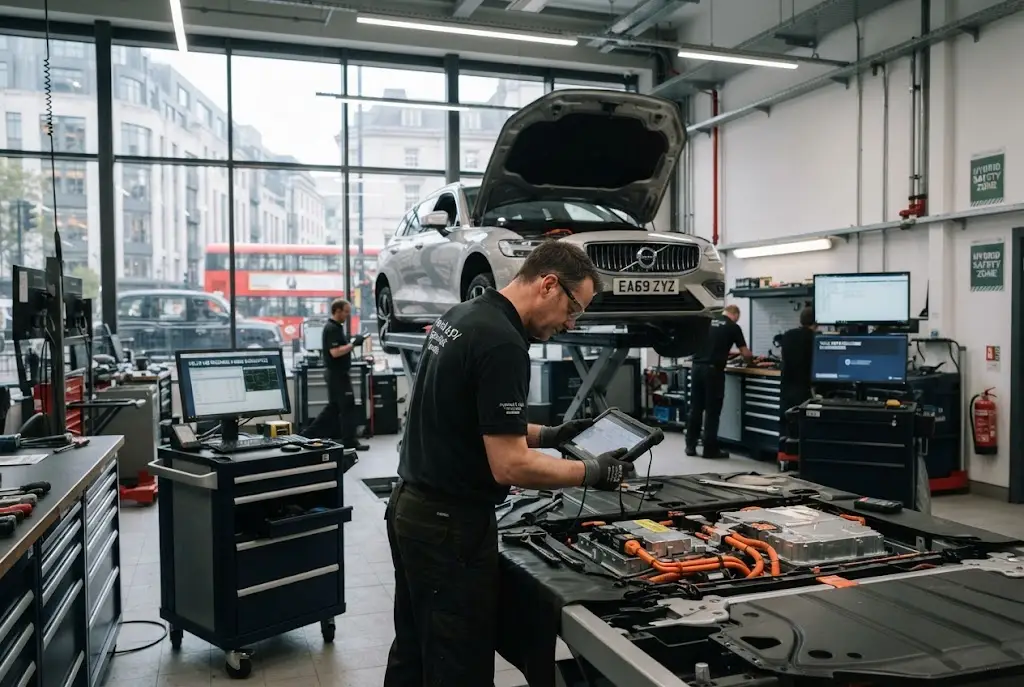
Hybrid and electric vehicles have different maintenance characteristics from conventional petrol and diesel cars. Battery systems, charging equipment, high-voltage components and specialist diagnostics may require appropriately trained technicians.
Our guide to hybrid services in London covers EV and hybrid maintenance, battery checks, charging considerations and specialist servicing.
Electrification also does not mean every vehicle automatically receives the same treatment under every London driving rule. Drivers should check their individual vehicle against current TfL requirements where relevant.
Using Official Sources for London Motoring Updates
Traffic and transport information can become outdated quickly. For that reason, motorists should prioritise official sources when checking current restrictions.
TfL’s traffic status service provides current road information and allows users to select future dates. Its travel tools also provide journey-planning information, while the major works calendar highlights significant projects and events.
For road-user charges, TfL’s pay-to-drive service is the appropriate place to check current charging requirements and payment options.
Using these sources is particularly important when planning a journey around a known road closure, major event or change to London’s charging arrangements.
Practical London Motoring Checklist
Before a significant journey across London, drivers can use a simple checklist:
- Check current traffic conditions.
- Look for planned roadworks or closures.
- Check major events affecting the route.
- Confirm whether ULEZ or another road-user charge applies.
- Allow additional time where temporary restrictions are reported.
- Follow signed diversions if the planned route is closed.
- Make sure the vehicle is maintained and roadworthy.
- Check charging arrangements if driving an EV.
This approach does not eliminate congestion, but it can help drivers understand why conditions have changed and make more informed journey-planning decisions.
Final Thoughts on London Motoring
London motoring is shaped by a constantly changing combination of traffic conditions, roadworks, borough transport projects, charging schemes and major events. Drivers can reduce uncertainty by checking official information before important journeys and keeping track of requirements that apply to their specific vehicle.
TfL’s current services provide live traffic status information, planned works and major-event updates, while its road-user charging service covers schemes such as ULEZ, the Congestion Charge and tunnel charges.
For vehicle owners, keeping the car properly maintained remains just as important as understanding the road network. Servicing, inspections, MOT requirements and specialist hybrid or EV maintenance all form part of responsible vehicle ownership.
As London’s roads and transport policies continue to evolve, checking current official information before travelling is one of the simplest ways for motorists to stay informed about changes that may affect their daily journeys.