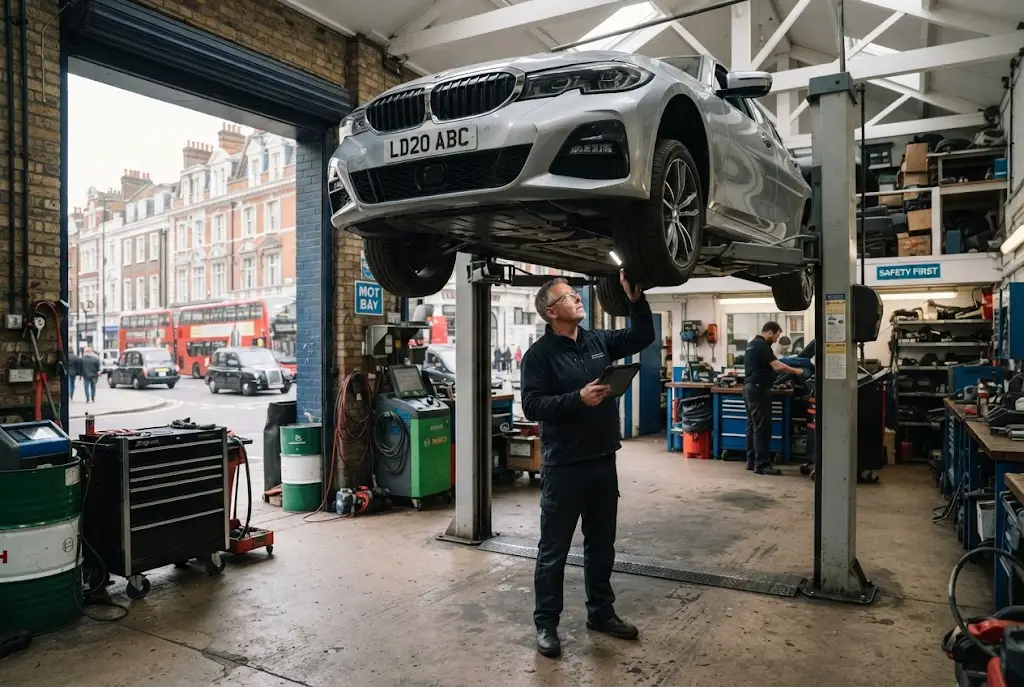
Professional auto inspection services can give London drivers a clearer picture of a vehicle’s condition before a problem becomes expensive or affects road safety. Unlike a routine service, an inspection is primarily focused on assessing the condition of specific components, identifying potential faults and determining whether a vehicle appears mechanically sound for its intended use.
What Are Auto Inspection Services?
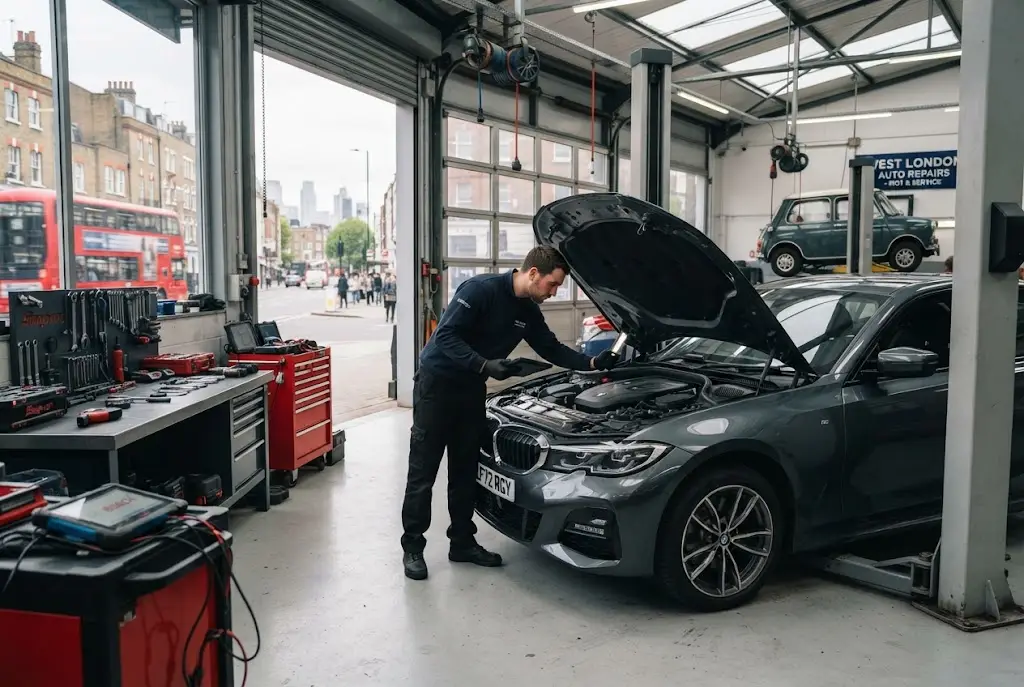
Auto inspection services involve examining a vehicle’s condition through visual checks, measurements, diagnostic equipment and, where appropriate, functional testing. The exact inspection depends on the garage, vehicle and reason for the appointment.
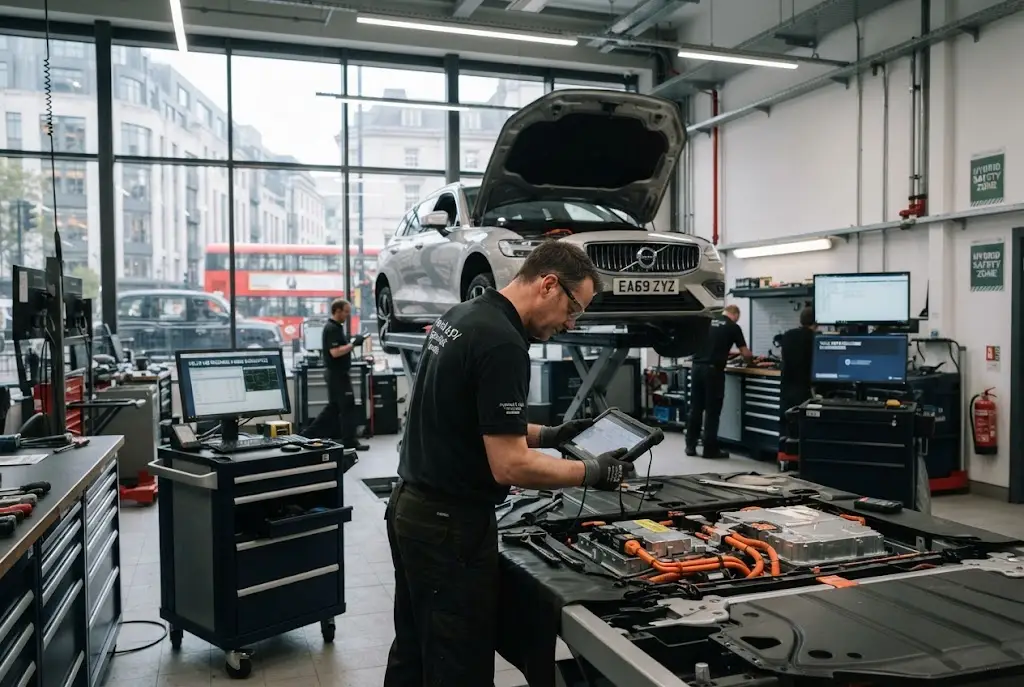
A professional inspection may examine areas such as brakes, tyres, suspension, steering, fluids, battery condition, warning lights, visible leaks, bodywork and other mechanical components. Diagnostic equipment may also be used to investigate electronic fault codes or warning lights.
The scope should be agreed before the inspection begins. A basic safety check is not necessarily equivalent to a comprehensive pre-purchase inspection, and neither should automatically be treated as a substitute for every other form of vehicle testing.
Why London Drivers May Need Vehicle Inspections
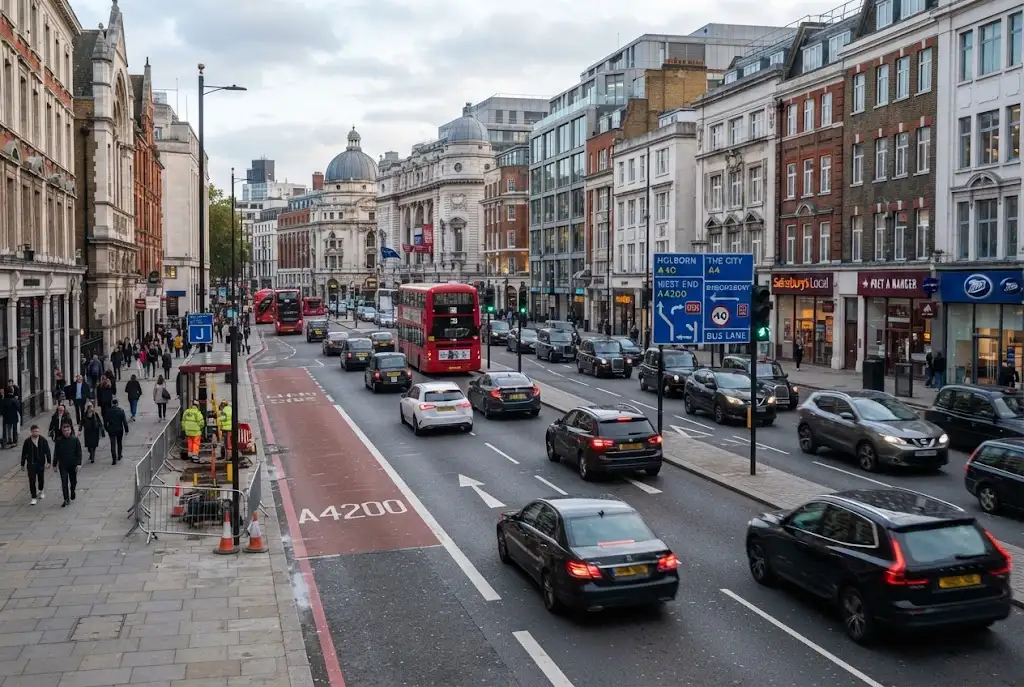
London driving can involve heavy traffic, frequent braking, short journeys and repeated stop-start conditions. These conditions can place different demands on vehicles compared with predominantly motorway-based driving.
For commuters, an unexpected mechanical problem can also have wider consequences. A vehicle breakdown may mean arranging recovery, finding alternative transport or missing work. An inspection can therefore be useful when there are signs that something is not operating normally.
Inspections are particularly relevant when a driver notices symptoms such as:
- Unusual engine or suspension noises
- Vibrations while driving
- Changes in braking performance
- Steering that feels different from normal
- Dashboard warning lights
- Unusual fluid leaks
- Repeated battery problems
- Unexpected changes in fuel consumption
These symptoms do not automatically indicate a serious fault. However, they can justify having the vehicle assessed rather than relying on guesswork.
Auto Inspection Services vs an MOT
One of the most important distinctions is between an independent vehicle inspection and the statutory MOT. The DVSA’s current MOT inspection manual sets out the procedures and standards used for statutory MOT testing in England, Scotland and Wales. It covers areas including brakes, steering, visibility, lighting, tyres, suspension, bodywork, seat belts and emissions-related items.
An MOT is designed to determine whether specified testable components meet the relevant legal standards at the time of the test. It is not a complete mechanical health assessment of every part of a vehicle.
An independent inspection can have a different purpose. A garage can tailor the inspection to the driver’s concern or the vehicle’s intended use. For example, someone considering a used car may want the inspector to concentrate on accident damage, mechanical condition, tyres, suspension and evidence of previous repairs.
Drivers can therefore think of an MOT as a statutory test and a broader inspection as a condition-assessment service. The two can complement each other without being interchangeable.
What Is Checked During a Vehicle Inspection?
The exact checklist varies, but a thorough inspection may cover several major areas.
Brakes
Brake components can be inspected for visible wear, damage, leaks and other problems. Depending on the inspection, a technician may assess brake discs, pads, callipers, lines and related components.
The DVSA MOT manual separately contains detailed inspection standards for service brakes, parking brakes, brake components and associated systems.
Steering and suspension
Steering and suspension influence vehicle control, handling and ride quality. An inspection may look for excessive play, damaged components, leaks, worn bushes or other visible issues.
For statutory MOT testing, the DVSA manual includes specific inspection procedures for steering gear, steering linkage and power steering.
Tyres and wheels
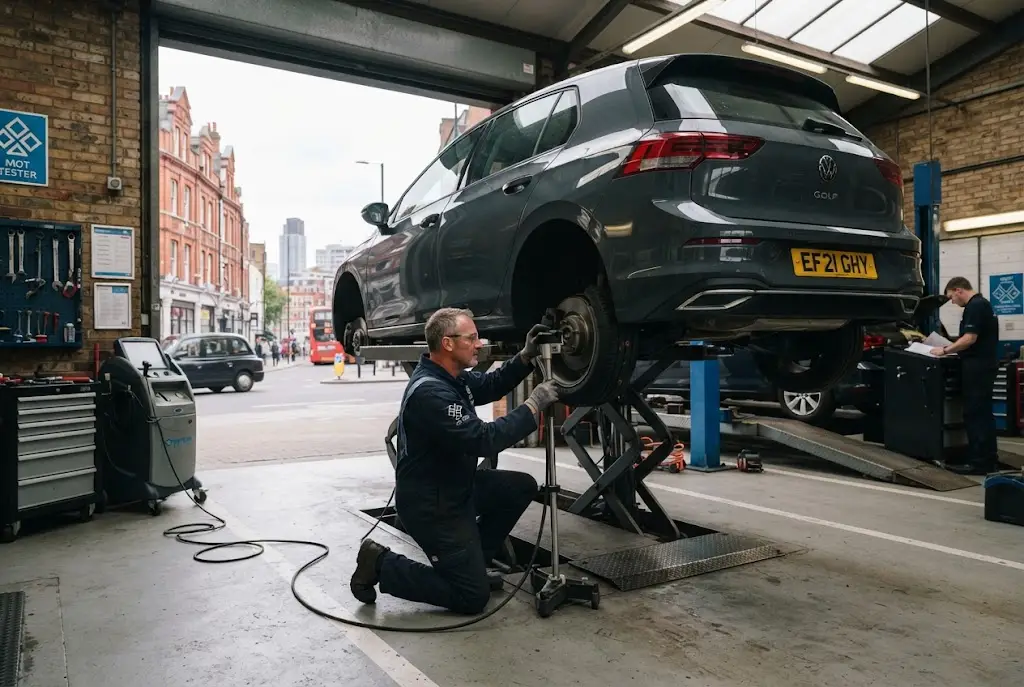
Technicians can examine tyre condition, tread, visible damage, pressure and wheel condition. Uneven tyre wear can sometimes provide clues about alignment, suspension or other mechanical problems.
Fluids and visible leaks
Oil, coolant, brake fluid and other vehicle fluids may be checked depending on the inspection. Evidence of a leak can be particularly useful when diagnosing an issue that the driver has noticed but cannot locate.
Battery and electrical systems
Some inspection packages include battery and charging-system checks. Diagnostic equipment can also be used to investigate electronic warnings or stored fault codes.
Body and structure
A visual inspection may identify corrosion, damaged panels, poorly repaired accident damage or other concerns. The statutory MOT inspection also contains defined requirements covering vehicle structure, exhaust systems, bumpers, doors, seats and related components.
Diagnostic Services and Vehicle Inspections
Modern vehicles contain numerous electronic control systems, so visual inspection alone may not explain every problem. Diagnostic services can complement physical checks by identifying stored fault codes or providing information from the vehicle’s electronic systems.
A diagnostic scan, however, should not be confused with a complete inspection. A fault code can identify a system or circuit that requires further investigation, but the code itself does not always establish the precise mechanical cause of a problem.
For that reason, a good inspection process combines appropriate diagnostic information with physical examination and the technician’s findings.
Pre-Purchase Vehicle Inspections in London
Buying a used vehicle is one of the situations where a professional inspection can be particularly useful. Photographs and a seller’s description cannot reveal every mechanical or structural issue.
A pre-purchase inspection can help a prospective buyer understand the vehicle’s apparent condition before committing to the purchase. Depending on the service, the technician may assess the engine bay, suspension, brakes, tyres, bodywork, interior, warning lights and visible evidence of repairs.
The inspection should be independent of the seller where possible. This allows the buyer to receive an assessment that is focused on the vehicle rather than the transaction.
If major concerns are identified, the buyer can then make a more informed decision about whether to proceed, negotiate based on documented repair requirements or seek another vehicle.
Vehicle Compliance and Roadworthiness
Vehicle inspections are closely connected with the broader concept of roadworthiness, but an inspection report should not automatically be treated as a legal certificate.
The DVSA’s MOT guidance explains that defects found during statutory testing are categorised as minor, major or dangerous. Major and dangerous defects result in an MOT failure, while a vehicle with only minor defects can pass the test.
A private inspection may identify issues that are not part of the specific service requested. The technician should explain the significance of any findings and distinguish between items requiring immediate attention and issues that can be monitored.
Ultimately, drivers remain responsible for ensuring that their vehicles are safe and legally compliant when using public roads.
How to Choose London Inspection Centres
There is no single inspection package that suits every driver. Before booking, ask the garage exactly what its inspection includes and whether a written report is provided.
Useful questions include:
- How comprehensive is the inspection?
- Does it include a diagnostic scan?
- Are brakes, tyres, suspension and steering included?
- Will the technician inspect the vehicle’s underside?
- Will photographs be included in the report?
- Will urgent and non-urgent findings be separated?
- Is a road test included where appropriate?
- What happens if additional diagnostic work is required?
These questions make it easier to compare London inspection centres on the scope of their service rather than simply comparing headline prices.
When Should You Book an Inspection?
You do not necessarily need a professional inspection every time you drive your car. However, certain situations make one particularly worthwhile.
Before buying a used car
A pre-purchase inspection can provide additional information about the vehicle before money changes hands.
After noticing a new symptom
Noise, vibration, warning lights or changes in handling can justify an inspection, especially when the cause is unclear.
Before a long journey
If a vehicle has been unused for an extended period or has developed issues, checking important systems before a long trip can reduce uncertainty.
After an accident or impact
Visible damage is not always the full story. Depending on the incident, an inspection can help identify issues affecting wheels, suspension, steering or other components.
When buying a higher-mileage vehicle
Older or higher-mileage cars may benefit from a more detailed assessment when the driver wants to understand upcoming maintenance requirements.
How Much Do Vehicle Inspections Cost?
Inspection prices vary significantly because the scope of an inspection can range from a simple safety check to a comprehensive pre-purchase assessment. Diagnostic work, specialist equipment, vehicle type and the amount of technician time required can also affect the price.
Rather than selecting a service solely because it has the lowest advertised cost, compare the inspection checklist and reporting process. A cheaper inspection that covers only a few visual items may not be comparable with a comprehensive assessment.
It is also sensible to ask whether repairs are excluded from the inspection price. In many cases, an inspection identifies problems but does not include the cost of fixing them.
What Should an Inspection Report Include?
A useful report should clearly identify the vehicle, the inspection scope and the technician’s findings. Where possible, findings should be separated into categories such as immediate concerns, recommended maintenance and items that should be monitored.
Photographs can also be helpful, particularly for used-car inspections. They give the vehicle owner or prospective buyer a clearer record of visible defects and can make discussions with a seller or repair garage easier.
However, the report should not be treated as a guarantee that the vehicle will remain fault-free. Mechanical components can deteriorate after the inspection, and some issues cannot be identified without dismantling or specialist testing.
Keeping Inspection Findings Within Your Maintenance Plan
An inspection is most useful when its findings lead to sensible maintenance decisions. If the technician identifies worn tyres, for example, the driver can plan replacement before the problem becomes more serious. Similarly, an identified suspension or braking issue can be discussed with a garage before approving repair work.
This is where inspection services complement routine servicing. Drivers who are already comparing car service costs in London can use inspection findings to understand whether additional repairs may affect their maintenance budget.
For vehicles approaching their statutory test, it can also be useful to understand the difference between an inspection and the MOT and service requirements for London drivers.
Final Thoughts on Auto Inspection Services
Auto inspection services provide London drivers with a practical way to assess vehicle condition beyond a single statutory test. Depending on the service, an inspection can cover brakes, steering, suspension, tyres, fluids, electrical systems, bodywork and diagnostic information.
The right inspection depends on the reason for booking it. A used-car buyer may need a comprehensive pre-purchase assessment, while an existing owner with a warning light may need diagnostic work combined with a physical inspection.
Before booking, confirm the inspection scope, reporting format and whether diagnostic work or repairs cost extra. A clear inspection can help you understand potential maintenance needs, make better-informed vehicle decisions and address safety concerns before they become more disruptive.
As London’s vehicle landscape continues to evolve, drivers should also understand the maintenance requirements of electrified vehicles. Our upcoming coverage of hybrid services and EV servicing will examine the specialist considerations associated with hybrid and electric vehicles.