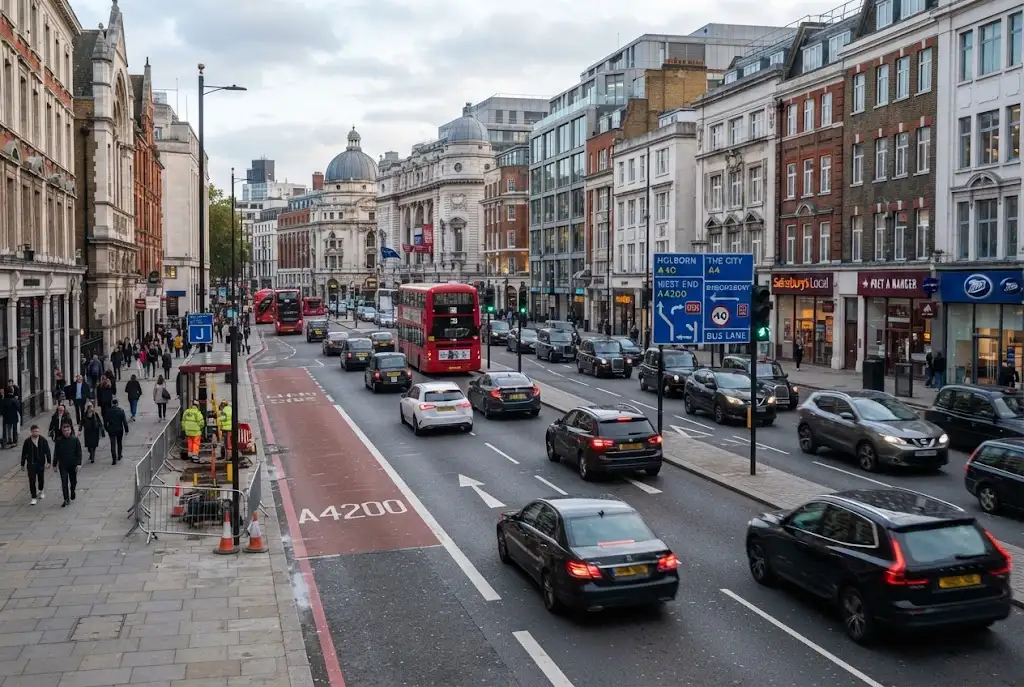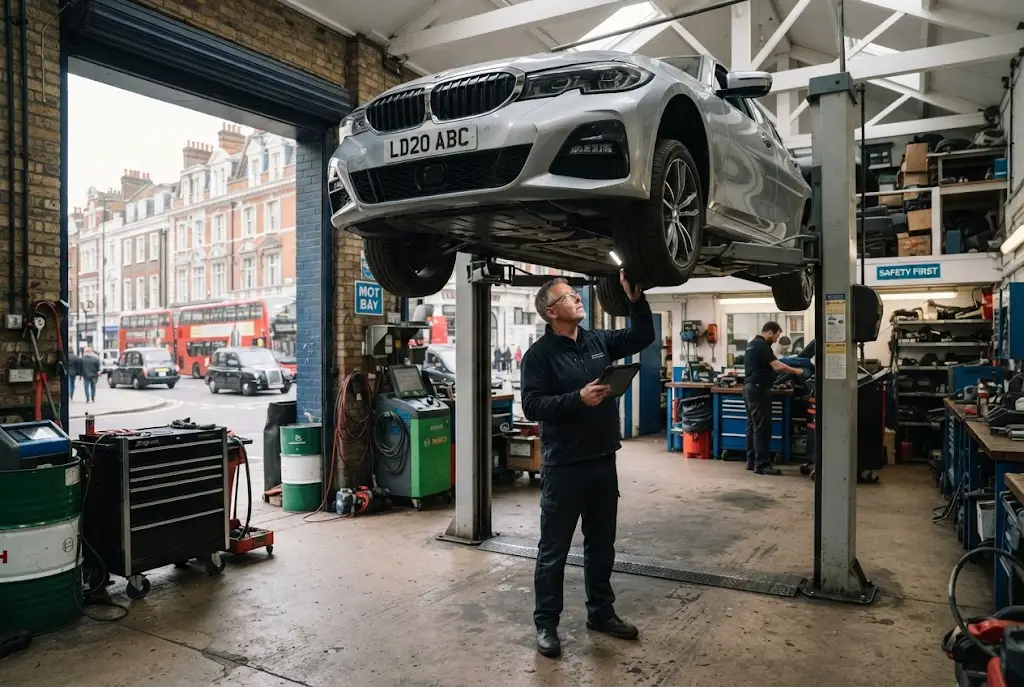
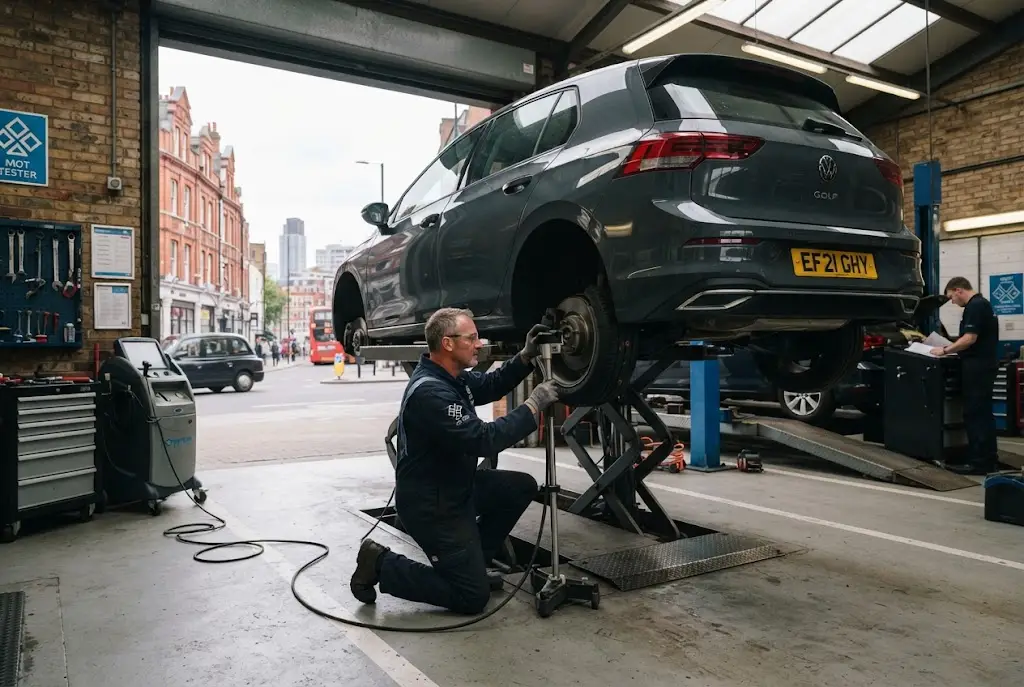
Understanding MOT and service requirements is essential for anyone driving regularly in London. An MOT is a legal test designed to check whether important parts of a vehicle meet required safety and environmental standards, while a service is routine maintenance intended to keep the vehicle operating properly. They are related, but they are not the same thing.
What Is the Difference Between an MOT and a Service?
The distinction between an MOT and servicing is one of the most important things drivers should understand. The government explains that an MOT checks important vehicle components against legal standards. It does not assess the general mechanical condition of the engine, clutch or gearbox.
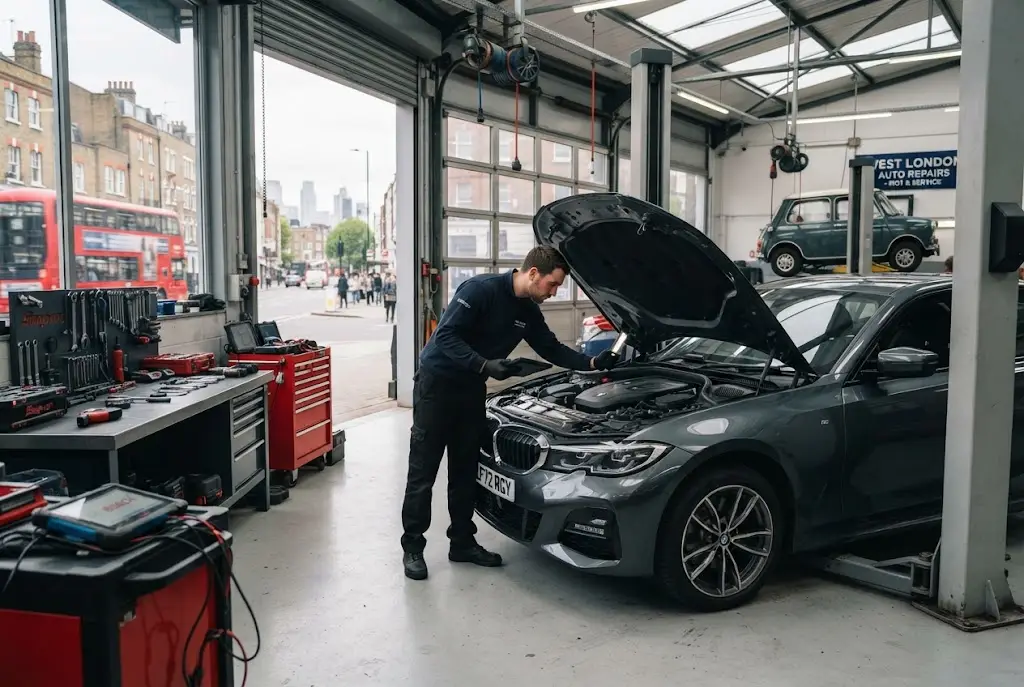
A service, on the other hand, is maintenance work carried out according to the vehicle manufacturer’s recommendations or the needs of the vehicle. Depending on the service level, this may include changing engine oil and filters, checking fluids, inspecting brakes and tyres, checking components and carrying out other preventative maintenance.
In practical terms, passing an MOT does not mean your vehicle has recently been serviced. Similarly, having a vehicle serviced does not replace its legal MOT requirement.
When Does Your Car Need an MOT?
For most cars, the first MOT is required when the vehicle reaches three years old. After that, an MOT normally lasts for one year. The government recommends checking your MOT expiry date rather than relying on memory.
You can check the current MOT status and history online. The MOT record provides useful information about previous test results and recorded mileage, making it easier to keep track of your vehicle’s testing history.
Drivers can normally take their car for its MOT up to one month minus one day before the current certificate expires and retain the existing renewal date. For example, if an MOT expires on 15 May, the earliest date to preserve the same renewal date is 16 April.
MOT Rules London Drivers Should Know
London does not have a separate MOT system for ordinary cars. MOT testing follows the national statutory framework administered through the Driver and Vehicle Standards Agency (DVSA). The purpose of the test is to check vehicles against roadworthiness and environmental standards.
This means a driver in Camden, Croydon, Westminster or another London borough follows the same core MOT rules as drivers elsewhere in Great Britain.
However, local convenience can influence where you choose to have the test performed. London has many MOT centres, independent garages and vehicle workshops, so motorists can compare location, appointment availability and pricing before booking.
How Much Does an MOT Cost?
Unlike ordinary servicing, the government sets a maximum amount that authorised MOT test stations can charge for an MOT. For a standard car with up to eight passenger seats, the current maximum MOT fee is £54.85, and VAT is not charged on that statutory test fee.
Some garages may advertise MOT and service packages or combine an MOT with other maintenance work. When comparing offers, make sure you understand which amount relates to the MOT itself and which amount covers servicing or repairs.
An advertised package price should not be confused with the maximum statutory MOT fee because additional services are separate from the test.
What Does an MOT Actually Check?
An MOT covers a range of important components and systems. The official inspection material includes areas such as lights, registration plates, steering, suspension, braking systems, wheels and tyres, seat belts, mirrors, doors, windscreen visibility, exhaust and emissions-related items.
The test is intended to assess testable items at the time of inspection. It should not be interpreted as proof that every component of the vehicle will remain in good condition for the following year.
This distinction matters in London because vehicles can experience frequent stop-start traffic, short journeys and heavy urban use. A car can pass an MOT and subsequently develop a mechanical problem.
What Happens If Your Car Fails Its MOT?
An MOT can result in a pass or fail, with defects categorised according to their seriousness. A vehicle can also receive minor or advisory items that may need monitoring or future attention.
If dangerous or major problems are identified, the vehicle can fail. Whether you can drive it away depends on the circumstances, including whether the existing MOT remains valid and whether dangerous defects have been recorded.
If the vehicle has failed because of a dangerous problem, you may need to have it repaired before driving it. The government states that driving a vehicle that has failed its MOT with a dangerous problem can result in a fine of up to £2,500, a driving ban and three penalty points.
Can You Drive Without a Valid MOT?
Generally, you must not drive a vehicle on public roads without a valid MOT when an MOT is legally required. The government states that you can be fined up to £1,000 for driving a vehicle without a valid MOT.
There are limited circumstances where a vehicle without a current MOT can be driven to a pre-arranged MOT test or to somewhere for repairs, subject to the applicable requirements. Drivers should not assume that simply booking an MOT makes any journey legal.
Roadworthiness remains important at all times. Even if your MOT certificate is current, you are responsible for ensuring that the vehicle is safe and meets the relevant legal standards.
Do You Need a Service Before Your MOT?
No. There is no general rule requiring you to have a service immediately before an MOT. However, routine maintenance can help identify issues that might otherwise result in an MOT failure.
A sensible approach is to carry out basic checks before the test. Check that lights work, tyres appear correctly inflated and have adequate tread, the windscreen and wipers are in good condition, and essential fluids are maintained at appropriate levels.
A garage may offer a pre-MOT inspection or service, but this is an optional maintenance decision rather than a legal requirement for taking the test.
Drivers who want a more detailed mechanical assessment can also consider professional auto inspection services in London, particularly when buying a used vehicle or investigating an unexplained mechanical issue.
Choosing London MOT Centres and Garages
There are many MOT centres across London, ranging from independent workshops to larger automotive service businesses. When choosing a test centre, look for an authorised MOT facility and consider practical factors such as location, appointment availability and the services offered.
It can also be useful to choose a garage that can explain any failures or advisories clearly. If repairs are required, ask for an itemised quotation before authorising additional work.
Drivers should distinguish between the MOT test itself and repair work. A garage may be able to carry out both, but they remain separate activities.
What Happens After an MOT Failure?
If your vehicle fails, the test result is recorded in the MOT database. Depending on the circumstances, you may have the vehicle repaired at the same centre or take it elsewhere for repairs.
Retest rules depend on what happens after the failed test. If the vehicle is taken away for repairs and returned to the same test centre within 10 working days, a partial retest may apply for eligible items. Otherwise, a full test fee may be required.
Before leaving the MOT centre, ask the tester or garage what defects caused the failure, whether any advisories were recorded and what work is necessary to bring the vehicle back to an acceptable standard.
Why Regular Servicing Still Matters
An annual MOT should not be treated as a replacement for routine maintenance. Servicing helps address mechanical maintenance that falls outside the scope of the MOT test.
Following the manufacturer’s service schedule can help drivers keep track of oil changes, filters, inspection intervals and other maintenance requirements. The appropriate schedule varies by vehicle, engine, mileage and manufacturer.
For London commuters, preventative maintenance can also reduce the risk of unexpected breakdowns during busy journeys. Keeping service records can make future maintenance easier to plan and can provide useful documentation when selling the vehicle.
London Driving Rules Go Beyond MOT Requirements
An MOT is only one part of vehicle compliance in London. Depending on the vehicle and journey, drivers may also need to consider London’s road-user charging schemes, including the Ultra Low Emission Zone (ULEZ) and Congestion Charge.
Transport for London provides current information about London’s road-user charging arrangements, including where charges apply and how drivers can check requirements for their journeys. TfL’s driving and road-user charging guidance is the appropriate place to check current requirements.
These rules are separate from the MOT system. A vehicle can have a valid MOT and still be subject to a London road charge when driven in an applicable area.
How London Motorists Can Stay Compliant
A simple maintenance and compliance routine can help prevent avoidable problems:
- Check your MOT expiry date in advance.
- Use an authorised MOT testing centre.
- Keep your vehicle maintained according to its manufacturer’s schedule.
- Check tyres, lights, fluids and visible vehicle condition regularly.
- Review MOT advisories and address recurring issues.
- Keep records of servicing and repairs.
- Check London’s current road-user charging requirements before relevant journeys.
- Do not assume an MOT pass guarantees overall mechanical condition.
Drivers can also use the official MOT history service to review previous tests, mileage records and results before buying a used car or planning future maintenance.
Final Thoughts on MOT and Service Requirements
Understanding MOT and service requirements helps London drivers separate legal testing from routine vehicle maintenance. An MOT is a statutory inspection of important safety and environmental items, while servicing focuses on maintaining the vehicle’s mechanical condition.
Most cars need their first MOT at three years old and then an MOT each year. The current maximum fee for a standard car MOT is £54.85, although additional servicing and repair work is separate.
For London motorists, the best approach is to keep both responsibilities on schedule. Check the MOT expiry date, maintain the vehicle throughout the year and investigate advisories or mechanical symptoms rather than waiting for the next annual test.
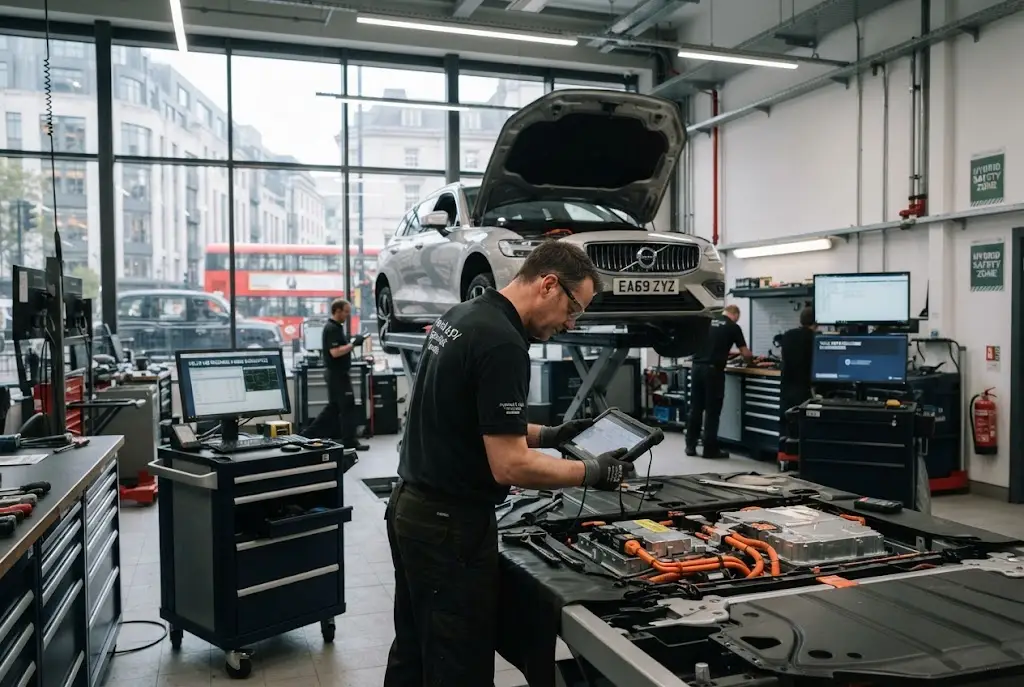
For drivers looking beyond basic testing, the next areas to consider include vehicle inspection services in London, which can provide broader assessment when a standard MOT is not enough, and hybrid and EV servicing for drivers using electrified vehicles.