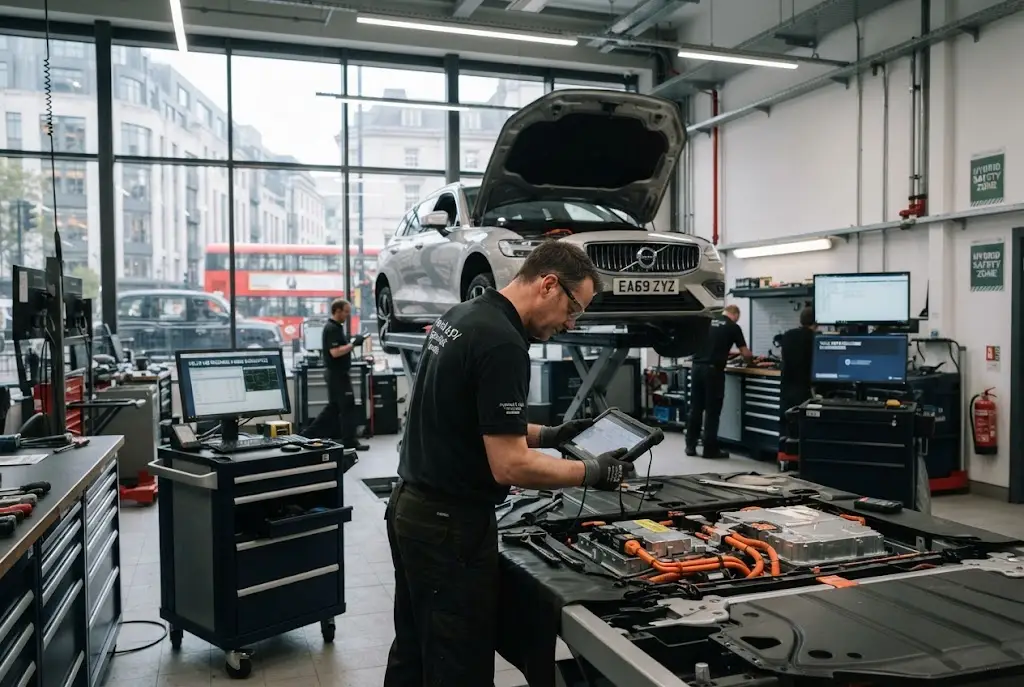
Reliable hybrid services are becoming increasingly important for London drivers as hybrid and electric vehicles become a more visible part of urban transport. These vehicles still need routine maintenance, but their servicing requirements can differ from conventional petrol and diesel cars. Hybrid systems combine electrical components with, in many cases, an internal combustion engine, while fully electric vehicles rely entirely on electric propulsion.
What Do Hybrid Services Include?
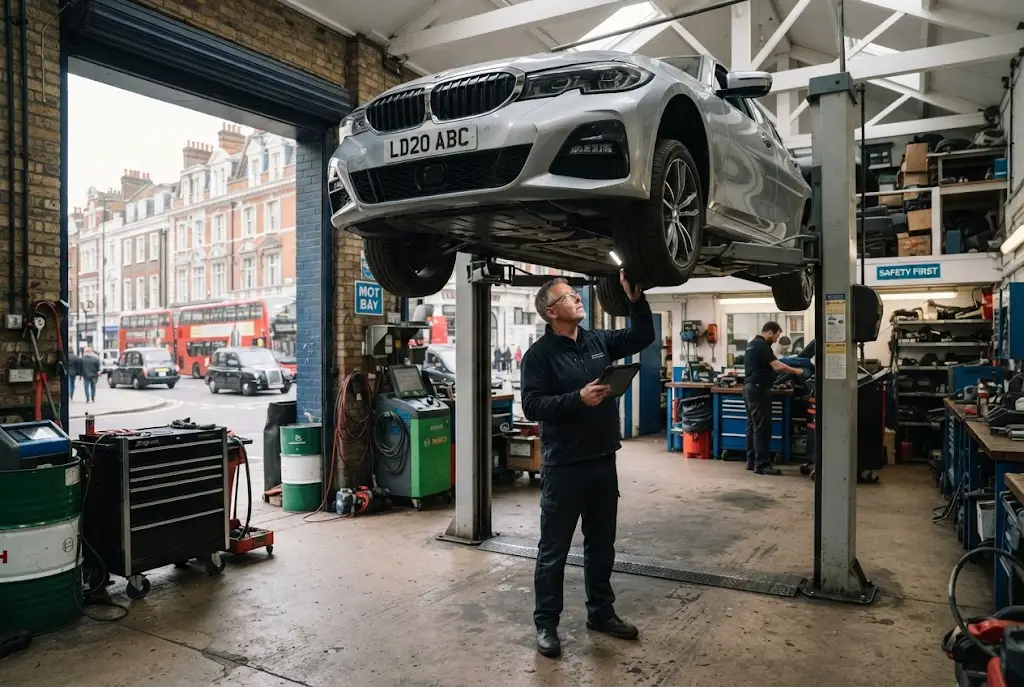
Hybrid servicing depends on the vehicle and manufacturer, but a professional service can cover both conventional mechanical components and the vehicle’s electrical systems. RAC’s current London hybrid service guidance, for example, includes checks of the battery and charging system, cooling system, engine oil and filter, brakes, steering, suspension, wheels, tyres, lights and other mechanical components. It also includes visual inspection of high-voltage components and diagnostic checks.
This is important because a hybrid is not simply a petrol car with a larger battery. Its propulsion system involves additional electrical components and control systems that require suitable knowledge and equipment.
A typical hybrid service may therefore include:
- Engine and electric motor checks
- Hybrid battery and charging-system assessment
- High-voltage component inspection
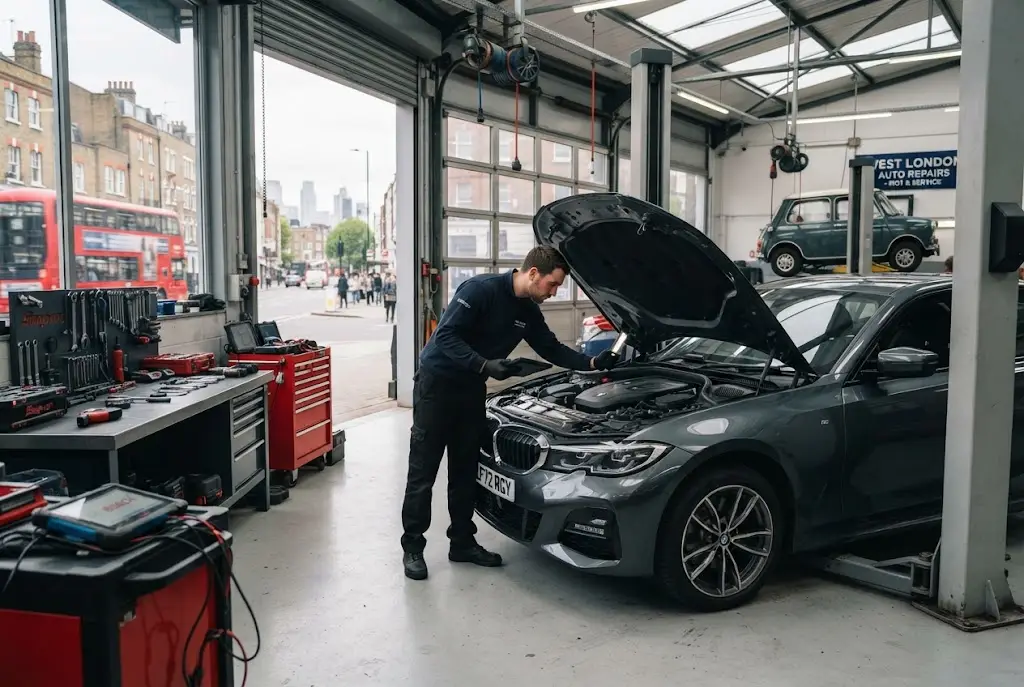
- Diagnostic system checks
- Brake and regenerative braking checks
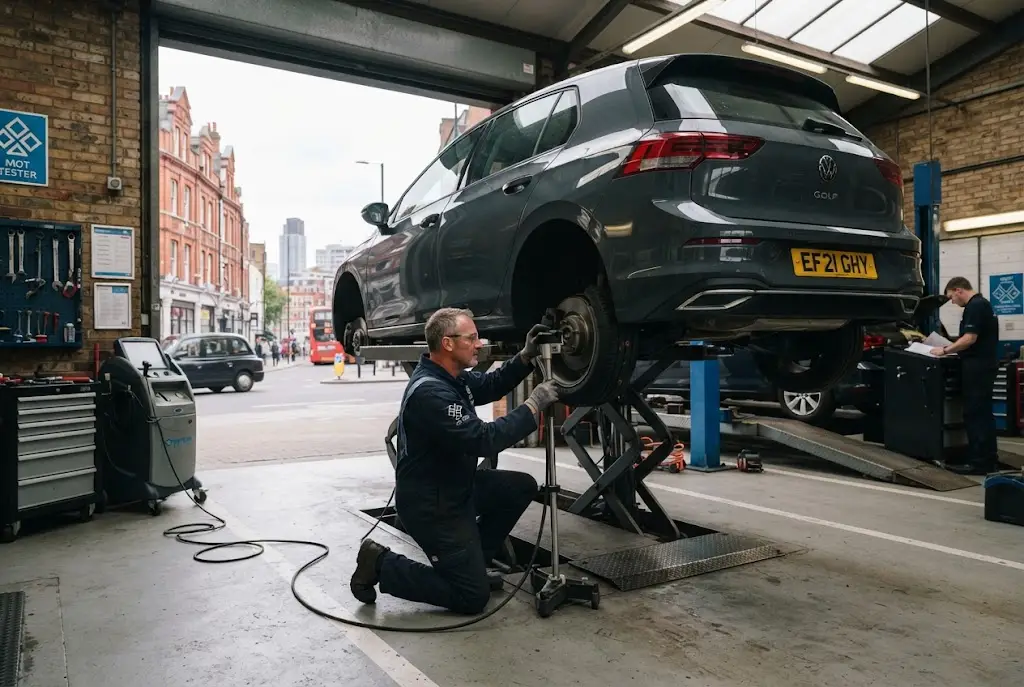
- Tyre and wheel inspection
- Steering and suspension checks
- Cooling-system inspection
- Fluid checks and replacement where required
- Lights, wipers and other safety checks
Why EV and Hybrid Maintenance Is Different
Hybrid and electric vehicles share many ordinary maintenance requirements with conventional cars, but they also contain electrical systems that require specialist procedures. High-voltage components should only be handled by appropriately trained technicians using suitable equipment.
RAC notes that not every garage has the tools and trained mechanics required to service hybrid vehicles properly. It recommends choosing a garage with the appropriate expertise for both the conventional and electric parts of a hybrid system.
That consideration becomes particularly important when a vehicle requires work involving its high-voltage battery, electrical connections or other specialist components. A general inspection may identify a problem, but specialist diagnostic or repair work can require additional equipment.
Hybrid Battery Maintenance in London
The battery is one of the most distinctive components of a hybrid or electric vehicle. However, battery maintenance does not necessarily mean replacing the battery. Routine servicing can involve checking the battery system, cooling arrangements, electrical connections and diagnostic information, depending on the vehicle.
Transport for London’s current electric and hybrid driving guidance recommends regular maintenance and following the manufacturer’s guidance. Its guidance also highlights battery care, including avoiding frequent full discharges and monitoring battery condition through the vehicle’s dashboard or app where available.
Drivers should follow the manufacturer’s specific recommendations rather than applying one battery-care rule to every model. Battery technology, charging systems and recommended operating procedures vary between vehicles.
Signs that a battery system needs attention
A dashboard warning, noticeable reduction in electric performance, unusual charging behaviour or a significant change in expected range can justify professional assessment. These symptoms do not automatically mean the battery has failed. Diagnostic testing is usually needed to determine the cause.
For hybrids, reduced fuel economy can also have several possible causes, including tyre condition, driving conditions, mechanical issues or changes in how the hybrid system is operating.
EV Servicing for London Drivers
Fully electric vehicles do not have conventional petrol or diesel engines, but they still require maintenance. Current London EV service offerings can include high-voltage component inspections, battery and charging-system checks, diagnostic assessments, brakes, steering, suspension, wheels and tyres, lights and other safety-related components.
Some maintenance requirements can actually differ from those of conventional vehicles. For example, regenerative braking can reduce reliance on the friction braking system during some driving conditions, but the brakes, tyres and suspension still need regular inspection.
RAC’s EV service guidance includes checks of the high-voltage components, battery and charging system, brakes, steering and suspension, wheels and tyres, as well as diagnostic systems.
Regenerative Braking and Urban Driving
Regenerative braking is an important feature of many hybrid and electric vehicles. It allows the vehicle to recover some energy during deceleration and send it back to the battery.
This system can be particularly relevant in urban driving, where frequent slowing and stopping are common. TfL’s current guidance explains that regenerative braking can help recover energy and reduce brake wear.
Nevertheless, regenerative braking does not eliminate the need for brake inspections. Conventional friction brakes remain part of the vehicle’s braking system and need to be checked according to the manufacturer’s maintenance recommendations.
Choosing EV Mechanics and Hybrid Specialists
Choosing the right garage is one of the most important parts of maintaining an electrified vehicle. Drivers should check whether the workshop has technicians trained to work with hybrid or electric vehicles and whether it has appropriate diagnostic and safety equipment.
When comparing garages, ask:
- Does the workshop regularly service my vehicle type?
- Are technicians trained to work with high-voltage systems?
- Does the service include diagnostic checks?
- Can the garage assess hybrid or EV battery systems?
- Are high-voltage components visually inspected?
- Are brakes, tyres, suspension and steering included?
- Are manufacturer-specific service requirements followed?
- Will additional work require separate approval?
These questions are more useful than simply choosing the cheapest advertised service. The equipment and expertise required can vary according to the vehicle and type of repair.
Charging Infrastructure and Vehicle Maintenance
Charging is part of everyday EV ownership, and London’s charging infrastructure continues to support the growing number of electric vehicles using the city. Drivers should understand the charging requirements of their specific vehicle, including compatible connectors, charging speeds and recommended charging practices.
Charging problems are not always battery problems. A fault could involve the charging cable, charging point, onboard charger, software or another electrical component. Professional diagnostics can help separate these possibilities.
For drivers who rely on an EV for daily commuting, having a suitable charging routine can also make vehicle use more predictable. Home charging, workplace charging and public charging can all play different roles depending on the driver’s circumstances.
Hybrid Services and ULEZ in London
London’s Ultra Low Emission Zone is an important consideration for vehicle owners, but having a hybrid or electric vehicle does not automatically determine whether a charge applies. Transport for London states that its vehicle checker can be used to determine whether a particular vehicle meets the ULEZ emissions standards.
The vehicle’s registration and emissions characteristics matter. Drivers should therefore check their specific vehicle rather than relying solely on the fact that it is described as a hybrid, plug-in hybrid or low-emission vehicle.
TfL currently states that drivers may need to pay the ULEZ, Congestion Charge, Low Emission Zone or tunnel charges depending on their vehicle and journey.
This means London vehicle ownership involves more than servicing. Drivers should consider both maintenance requirements and the applicable road-user charging rules when planning their journeys.
Do Hybrid and Electric Cars Still Need an MOT?
Hybrid and electric vehicles can still be subject to the UK’s MOT requirements. The exact test requirements depend on the vehicle, but electrified powertrains do not remove the general statutory testing obligation.
The MOT itself remains different from servicing. An MOT assesses specified components against the applicable legal standards, while servicing is intended to maintain the vehicle and identify potential mechanical or electrical issues.
Drivers preparing an electrified vehicle for its annual test can therefore benefit from keeping routine servicing up to date rather than treating the MOT as a substitute for maintenance.
Our guide to MOT and service requirements in London explains the distinction between statutory testing and routine vehicle maintenance in greater detail.
Hybrid and EV Maintenance Costs
The cost of servicing an electrified vehicle varies according to its make, model, age, mileage, service level and the type of work required. A routine service may involve relatively straightforward checks, while specialist diagnostic or high-voltage work can require additional equipment and technician expertise.
Drivers should therefore request an itemised quotation before approving work. Ask whether diagnostic checks, battery assessments, parts and labour are included in the advertised price.
It is also useful to compare like-for-like service packages. A basic service from one garage may not cover the same components as a specialist hybrid or EV service from another.
For a broader understanding of London vehicle maintenance budgets, see our guide to car service cost in London.
How London Commuters Can Maintain an EV or Hybrid
A sensible maintenance routine starts with the manufacturer’s recommendations. Drivers should follow the specified service intervals and pay attention to dashboard warnings or changes in vehicle behaviour.
Regularly checking tyres is particularly important because tyre condition affects safety, efficiency and driving range. Drivers should also monitor the vehicle’s charging behaviour and battery information where the manufacturer provides it.
Keeping the vehicle clean and maintaining visibility systems such as lights, mirrors, windows and wipers also remains important. Electrification changes the propulsion system, but it does not remove the basic responsibilities associated with safe vehicle operation.
Urban Mobility and the Growth of Electrified Vehicles
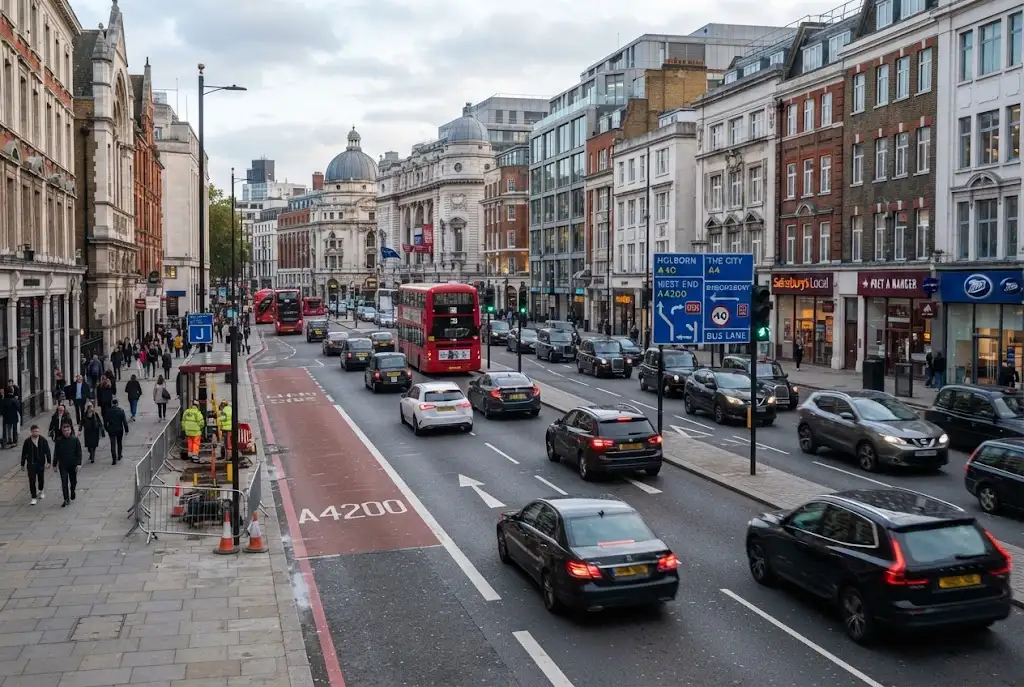
Hybrid and electric vehicles form part of a broader shift in urban mobility. London’s transport environment includes private cars, buses, rail services, cycling, walking, car clubs and other forms of transport.
TfL notes that car clubs can provide an alternative to private ownership and that many London car-club vehicles now meet ULEZ standards, with many using electric or hybrid vehicles.
For people who continue to own a private vehicle, understanding the maintenance requirements of newer powertrains can make the transition to electrified motoring easier. It also helps drivers distinguish between genuine maintenance requirements and assumptions based simply on the vehicle’s powertrain type.
What to Ask Before Booking Hybrid Services
Before booking a service, provide the garage with the vehicle registration, make, model and mileage. Explain any warning lights, charging issues, changes in range or unusual sounds.
Then confirm whether the garage can work safely on the relevant hybrid or EV system. If a battery health or efficiency assessment is important to you, ask specifically whether it is included because a standard diagnostic check may not provide the same information.
RAC, for example, distinguishes between its standard mobile hybrid diagnostic service and a more specific battery health or efficiency assessment available through its approved garages.
Clear communication before the appointment can prevent confusion about what has actually been tested.
Final Thoughts on Hybrid Services in London
Hybrid services are an important part of maintaining modern vehicles that combine conventional and electric technology. London drivers should look for garages with appropriate training, diagnostic equipment and experience with the specific vehicle type.
Routine servicing can include conventional checks such as brakes, tyres, steering and suspension alongside battery, charging, high-voltage and electronic-system assessments where appropriate. Fully electric vehicles have their own servicing requirements, even though they do not have traditional combustion engines.
London drivers should also consider the wider ownership environment, including charging infrastructure, ULEZ requirements and regular vehicle inspections. Maintaining the vehicle according to the manufacturer’s recommendations remains the foundation for safe and predictable urban motoring.
As the city’s motoring environment continues to change, understanding these maintenance requirements can help drivers make better-informed decisions about vehicle ownership, servicing and everyday urban mobility.