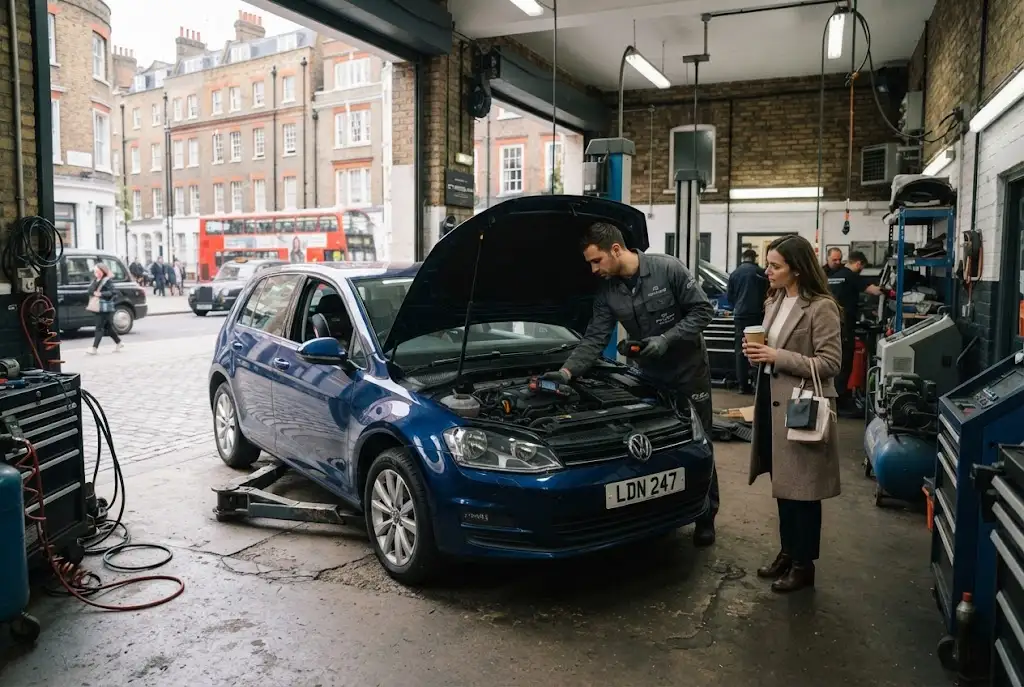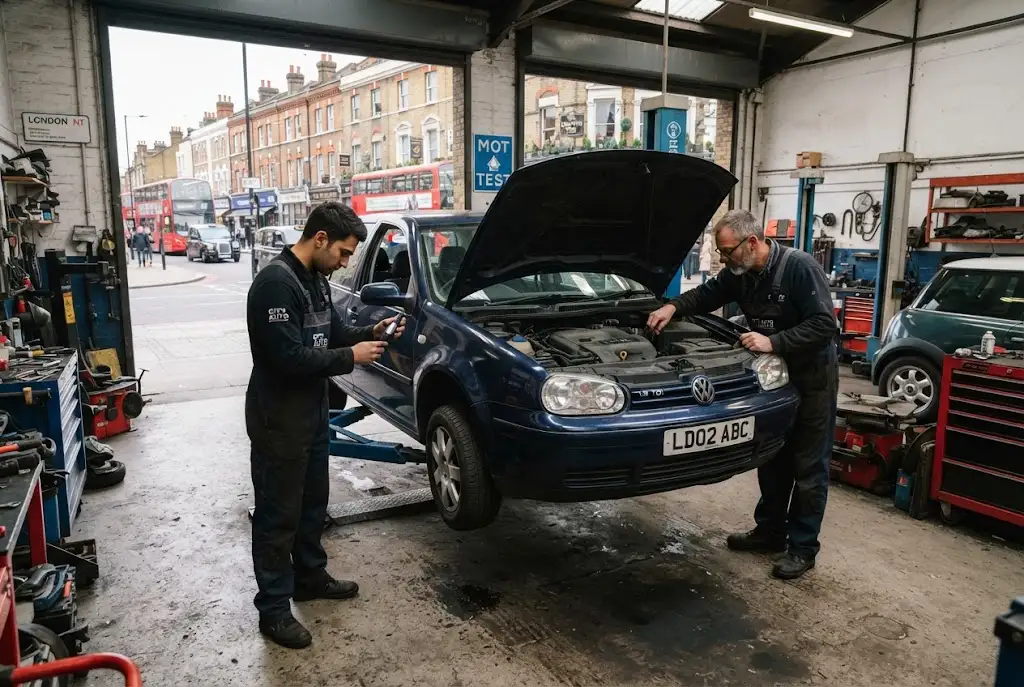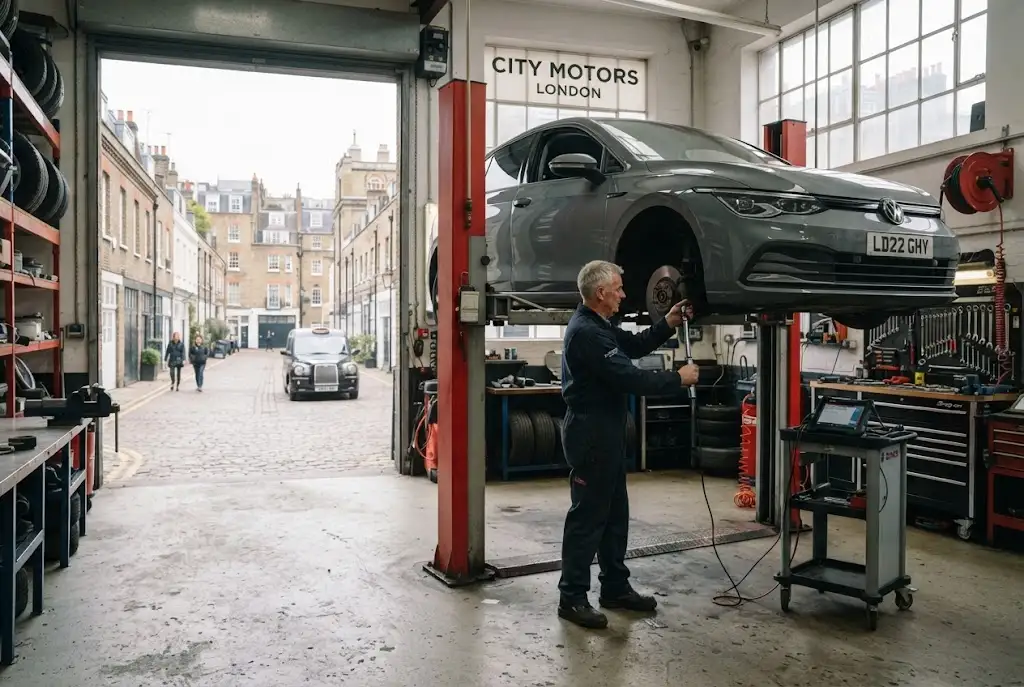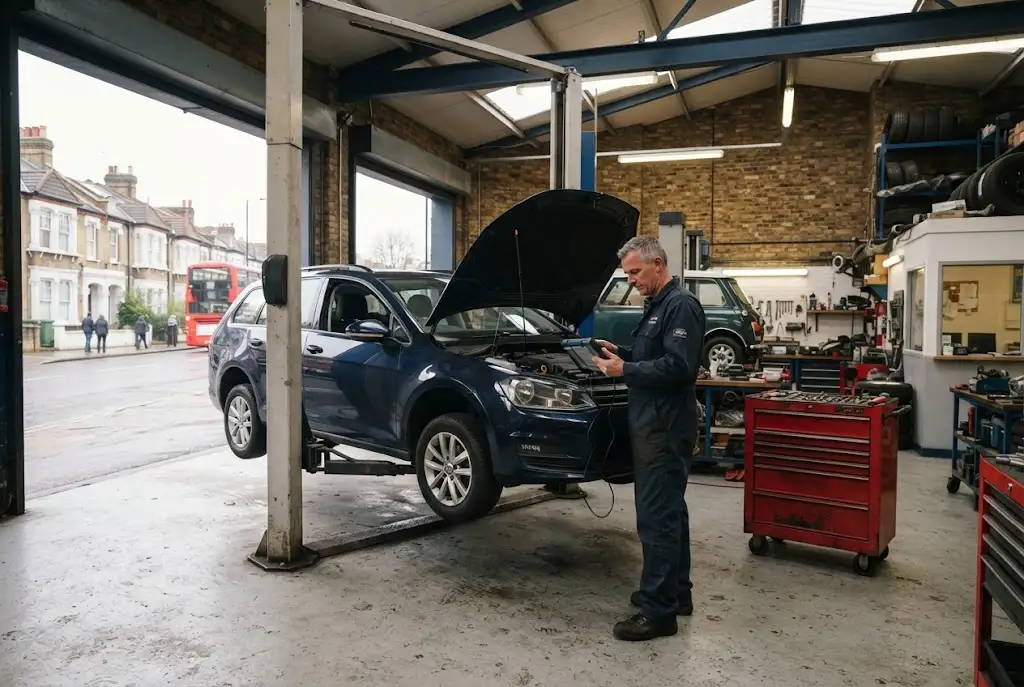
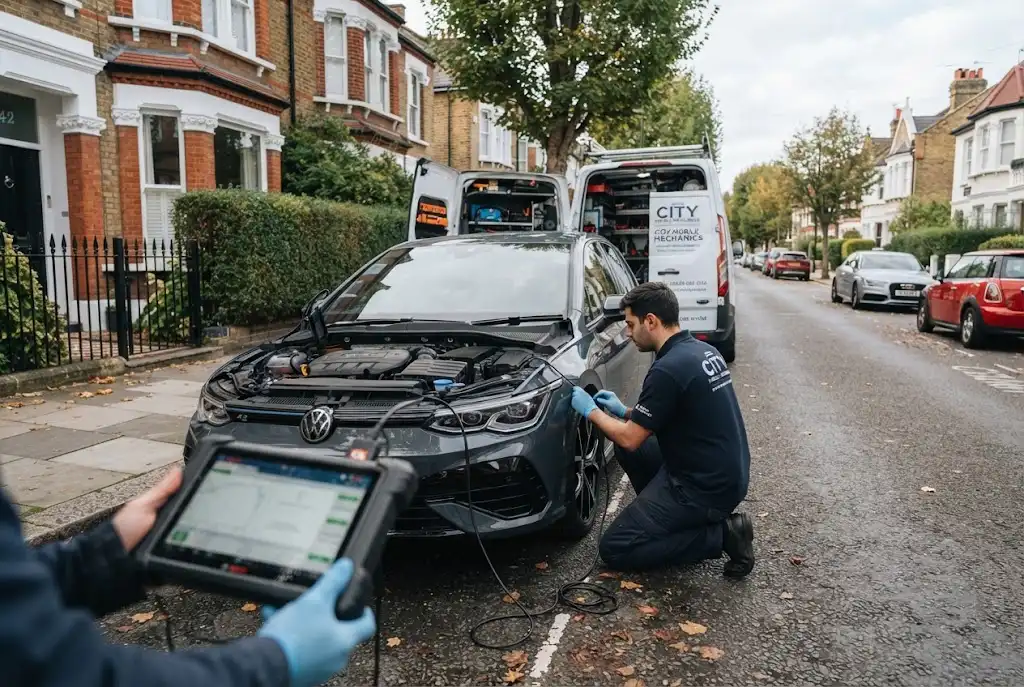
A breakdown or vehicle problem can be particularly inconvenient in a city where schedules are already tightly packed. A mobile auto service can provide an alternative to taking a vehicle directly to a traditional garage, with mechanics travelling to suitable locations such as homes, workplaces or roadside locations. For London motorists, this approach can be useful when a vehicle cannot easily be driven to a workshop or when arranging a garage visit would cause unnecessary disruption.
Mobile automotive services are not designed to replace every type of garage repair. Complex mechanical work, specialist equipment and major component replacement may still require a workshop. However, mobile mechanics can provide practical support for certain inspections, repairs, diagnostics and maintenance tasks, depending on the provider and the vehicle.
What Is a Mobile Auto Service?
A mobile auto service involves an automotive professional travelling to the customer’s vehicle rather than requiring the customer to bring the vehicle into a fixed workshop. The appointment may take place at a home address, workplace, car park or another suitable location.
The exact services vary considerably. Some mobile mechanics focus on diagnostics and minor repairs, while others provide broader servicing and mechanical support. Before booking, motorists should explain the vehicle’s symptoms and location so the mechanic can determine whether the job is suitable for mobile work.
This service model can be particularly convenient for people who have limited free time or whose vehicle is not easily drivable.
Why London Drivers Use Mobile Mechanics
London motorists often have complicated schedules. Commuting, family commitments, appointments and business responsibilities can make a conventional garage visit difficult to arrange.
A mobile mechanic can sometimes reduce this inconvenience by bringing the service to the vehicle. Instead of arranging transport to and from a workshop, the customer may be able to continue working or managing other responsibilities while the vehicle is inspected or repaired nearby.
However, convenience should not be the only consideration. The mechanic’s qualifications, experience, equipment, insurance arrangements, service scope and ability to complete the particular repair should all be considered before booking.
Home Servicing for London Motorists
Home servicing can be convenient when a vehicle is parked in an appropriate location and the required work can safely be completed there. This may suit motorists who work from home, families with limited free time or drivers who prefer not to spend part of the day travelling to a garage.
Before arranging a home visit, the customer should check whether there is enough space for the mechanic to work safely. Some residential parking locations may not be suitable for certain repairs, particularly when specialist equipment or substantial dismantling is required.
The mechanic should also know the vehicle’s make, model, engine and relevant symptoms in advance. Providing accurate information can help them bring appropriate tools and parts.
Office Servicing and Workplace Call-Outs
For commuters, office servicing can offer another practical option. If a workplace provides suitable parking, a mobile mechanic may be able to carry out an agreed service or repair while the vehicle remains parked during the working day.
This arrangement can save a separate trip to a workshop, although permission from the property owner or workplace may be necessary. Drivers should also confirm that the parking area provides adequate space and that the mechanic can work there safely.
Workplace servicing can be particularly useful for businesses operating several vehicles. However, fleet operators should confirm that the mobile provider has the capacity, equipment and scheduling flexibility required for commercial use.
Mobile Auto Service for Emergency Repairs
Unexpected vehicle problems can be stressful, particularly when they happen away from home. Depending on the provider, mobile mechanics may offer emergency repairs or diagnostic call-outs for certain types of breakdown.
Possible examples can include starting problems, battery-related issues, minor electrical faults, certain mechanical problems and diagnostic investigations. The actual service available depends on the circumstances and the equipment carried by the mechanic.
Drivers should not attempt to arrange roadside repair when the location itself is unsafe. If a vehicle has stopped in a dangerous position, on a high-speed road or somewhere where traffic creates an immediate hazard, motorists should follow appropriate breakdown and road-safety procedures rather than waiting beside the vehicle in an unsafe location.
Roadside Assistance and Mobile Repairs
Roadside assistance and mobile mechanic services can overlap, but they are not necessarily the same thing. Breakdown assistance providers may focus on recovery, getting a vehicle moving again or transporting it to a suitable repair facility.
A mobile mechanic, by contrast, may be able to diagnose and repair certain faults at the vehicle’s location. The distinction matters because not every breakdown can be fixed at the roadside.
When booking assistance, motorists should describe the symptoms accurately. Details such as whether the engine turns over, whether warning lights appeared and whether the vehicle can move safely can help the provider determine what type of response is appropriate.
London Call-Outs Across Different Boroughs
London’s size makes London call-outs a practical consideration when choosing a mobile automotive provider. Not every mechanic covers every borough, and some businesses may apply different call-out charges depending on distance or operating hours.
Before booking, drivers should confirm the exact coverage area, arrival arrangements and any additional travel fees. It is also useful to establish whether the provider operates during evenings, weekends or public holidays if those periods are important to the customer’s needs.
For motorists who prefer a fixed workshop, London’s wider network of local garage services across different boroughs remains an alternative. The best option depends on the vehicle problem and the driver’s circumstances.
What Mobile Mechanics Can and Cannot Do
One of the most important things to understand about mobile automotive work is that not every repair is suitable for a driveway, workplace or roadside location.
Mobile mechanics may be able to handle certain routine services, diagnostics, electrical problems, battery-related work and smaller mechanical repairs. However, jobs requiring a vehicle lift, specialist workshop machinery, extensive dismantling or controlled working conditions may need to be completed at a fixed garage.
A reputable mechanic should explain when a vehicle needs workshop-based repair rather than attempting work that cannot be completed safely or properly at the customer’s location.
Choosing a Mobile Mechanic
Drivers should evaluate a mobile mechanic in much the same way they would assess a traditional workshop. Experience, qualifications, insurance, equipment, customer communication and pricing transparency all matter.
Before agreeing to the work, ask:
- Is the repair suitable for mobile service?
- What is included in the call-out charge?
- Is diagnostic work charged separately?
- Will replacement parts be included in the quotation?
- How long is the appointment expected to take?
- Is there a warranty for the repair or parts?
- What happens if the vehicle requires workshop-based repairs?
Clear answers can help prevent misunderstandings, particularly when a vehicle has an uncertain fault.
Mobile Auto Service for Preventive Maintenance
Mobile automotive support is not necessarily limited to breakdown situations. Depending on the provider, it may also be suitable for certain scheduled maintenance tasks.
For busy motorists, arranging maintenance at home or work can make it easier to stay on top of the vehicle’s service requirements. However, customers should confirm exactly what is included and whether the work complies with the manufacturer’s requirements.
Routine maintenance remains particularly important for vehicles exposed to London’s urban driving conditions. Frequent braking, congestion, short journeys and tight parking can create a demanding usage pattern. Drivers can learn more about this subject in the guide to vehicle maintenance for urban driving.
Mobile Services for Busy Londoners
Time is one of the strongest reasons motorists consider mobile automotive services. A traditional garage visit can involve dropping off a vehicle, arranging alternative transport and returning later to collect it.
Mobile servicing can potentially reduce some of that disruption by bringing the mechanic to the vehicle. This can be especially useful for people working from home, office-based commuters and families with limited flexibility.
It fits naturally into a broader approach to car care for busy Londoners, where maintenance is planned around existing routines rather than treated as a separate activity.
What to Do Before the Mechanic Arrives
Good preparation can make a mobile appointment more efficient. Drivers should provide the vehicle registration or relevant vehicle details, describe the problem clearly and mention any warning lights or recent repairs.
If the vehicle is parked at home, make sure the mechanic can access it safely. If the appointment is at a workplace or car park, confirm that the location permits automotive work and that there is sufficient space.
For a breakdown, avoid moving or attempting repairs that could create additional risk. If the vehicle is in an unsafe position, prioritise personal safety and use appropriate roadside assistance or recovery procedures.
Mobile Mechanics and Independent Garages
Mobile mechanics and fixed independent garages can complement one another. A mobile mechanic may deal with a suitable minor repair or diagnose a problem, while a fixed workshop can take over when more extensive equipment or facilities are required.
For motorists, understanding this distinction can prevent unrealistic expectations. A mobile service is valuable because it brings certain types of automotive expertise to the vehicle, not because it can perform every possible repair anywhere.
Drivers can also explore London’s independent garage network when a vehicle requires workshop-based servicing or more comprehensive repairs.
Considering Cost and Convenience
Mobile services can have different pricing structures from traditional workshops. The final cost may include labour, parts, diagnostics and a call-out or travel charge.
Drivers should therefore request a clear estimate where possible. Comparing quotations also requires checking what each provider actually includes. A lower headline price may not represent a cheaper service if additional diagnostic or travel charges are added later.
Convenience is another part of the value calculation. For someone who would otherwise lose several hours travelling to and from a workshop, having a suitable repair completed at home or work may have practical benefits even when the labour structure differs from a conventional garage.
When a Fixed Garage Is the Better Option
There are situations where a traditional workshop is more appropriate. Major engine, transmission, suspension or bodywork repairs may require lifting equipment, specialist tools, extensive workspace or controlled workshop conditions.
Vehicles involved in significant collisions or serious mechanical failures may also need recovery rather than a mobile repair. Drivers should follow professional advice when a vehicle is not safe to drive.
A sensible mobile provider will recognise these limitations and recommend workshop-based repair when necessary.
Making Mobile Automotive Support Part of Your Routine
For London motorists, mobile services can provide a flexible addition to the wider automotive repair network. They can be particularly useful when convenience, location and time are important considerations.
The key is to match the service to the job. Confirm coverage, explain the vehicle problem accurately, ask about pricing and make sure the mechanic has the appropriate equipment and experience. For larger repairs, a fixed garage may remain the more suitable choice.
Conclusion
A mobile auto service can provide practical support for London drivers who need certain repairs, diagnostics or maintenance without taking their vehicle directly to a workshop. Home servicing, workplace appointments and selected roadside repairs can all help reduce disruption when the circumstances are suitable.
However, mobile mechanics have practical limitations, and not every repair can or should be completed at the vehicle’s location. By understanding the difference between mobile support, roadside assistance and workshop-based repairs, motorists can choose the service that matches their particular situation.
For busy Londoners, that flexibility can make vehicle maintenance easier to organise while complementing the independent garages and automotive service centres available across the capital.