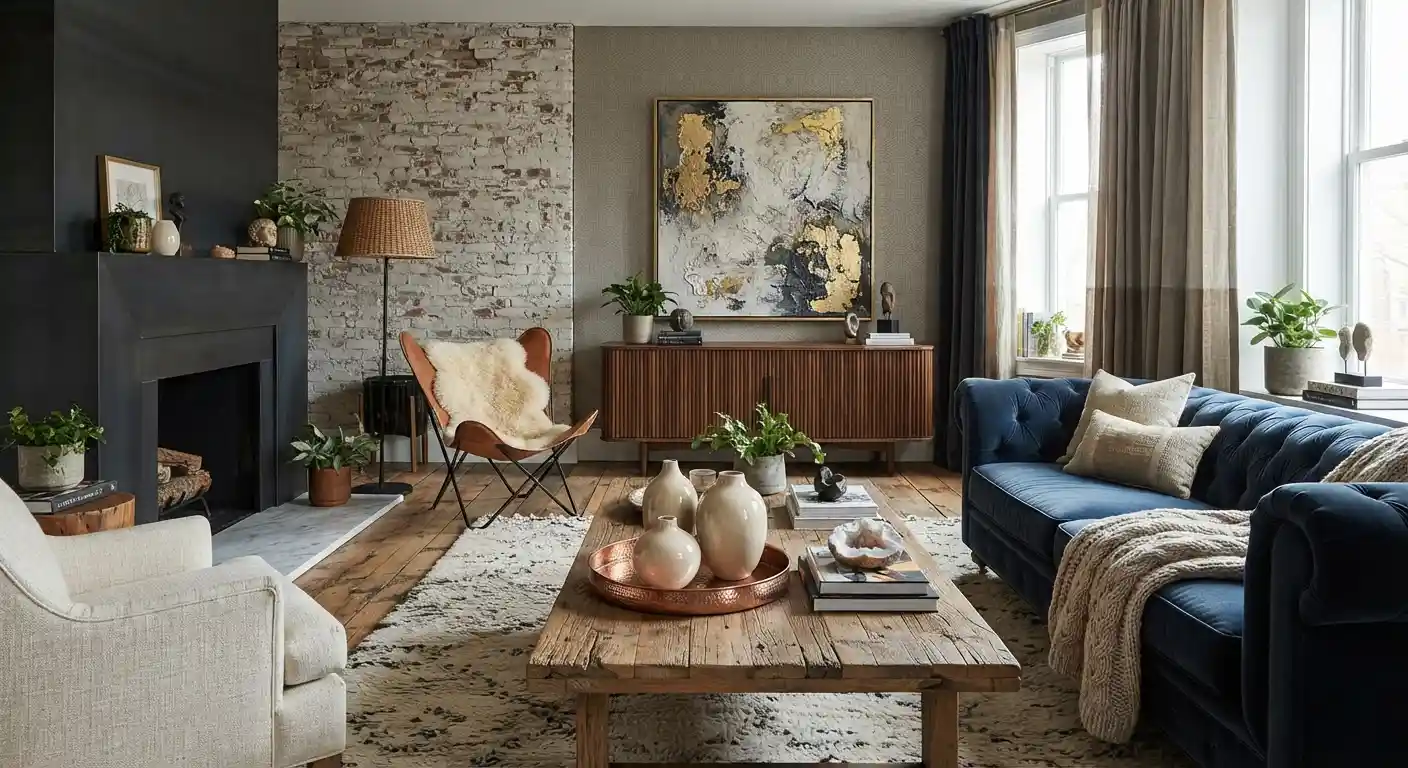
Creating a stylish home is not only about choosing the right colors or furniture styles. The materials and textures used throughout an interior can have just as much influence on its overall appearance. Combining smooth, soft, natural, woven, and structured surfaces can give a room depth and personality while making it feel more comfortable.
A successful interior does not require every item to match perfectly. In fact, mixing different materials can create a more interesting and sophisticated result when the elements are connected through color, proportion, and design. Whether you are refreshing a living room, dining area, bedroom, or open-plan space, thoughtful combinations of textures can transform the atmosphere.
Start With a Clear Design Foundation
Before mixing different materials, establish a basic design direction. Decide whether you prefer a contemporary, minimalist, industrial, classic, or relaxed interior. This will help guide your choices and prevent the room from becoming visually confusing.
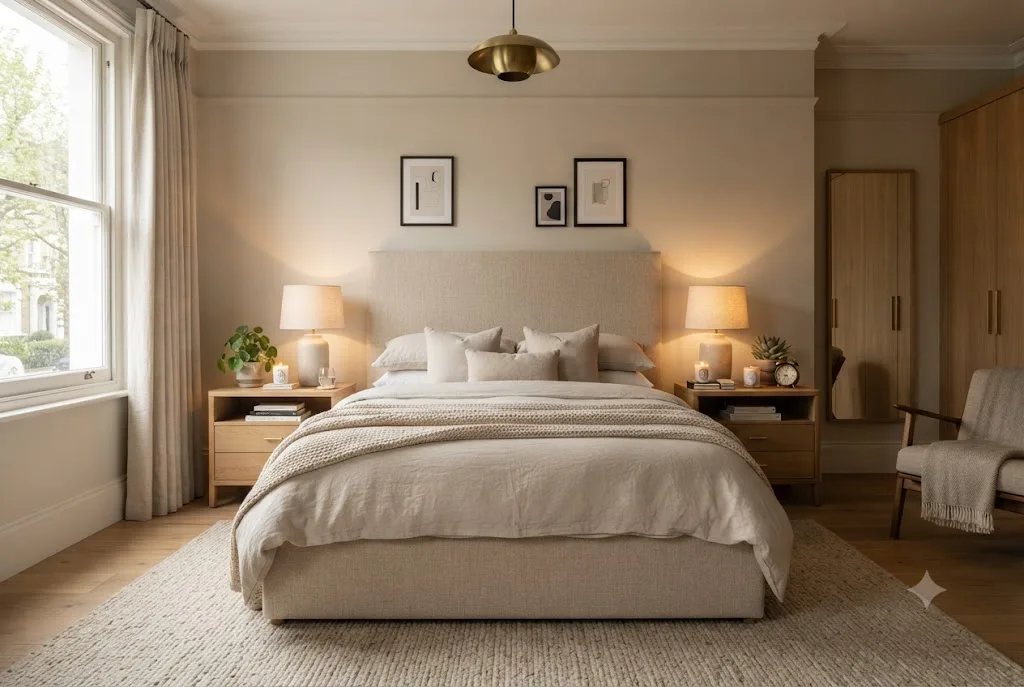
A simple foundation of neutral colors can make it easier to introduce different textures. Cream, beige, white, gray, and natural wood tones can work as a background for stronger materials and accent pieces.
Once the foundation is established, individual materials can be introduced gradually rather than purchasing everything at once.
Choose a Main Furniture Material
Large furniture pieces usually have the strongest visual influence in a room. Therefore, it is useful to choose one primary material or finish and build the rest of the interior around it.
For example, a faux leather sofa can provide a smooth and structured foundation in a living room. Its clean surface can be balanced with softer textiles, natural wood, woven accessories, and textured rugs.
The goal is to create contrast without making the furniture appear disconnected from the rest of the room.
Combine Smooth and Soft Textures
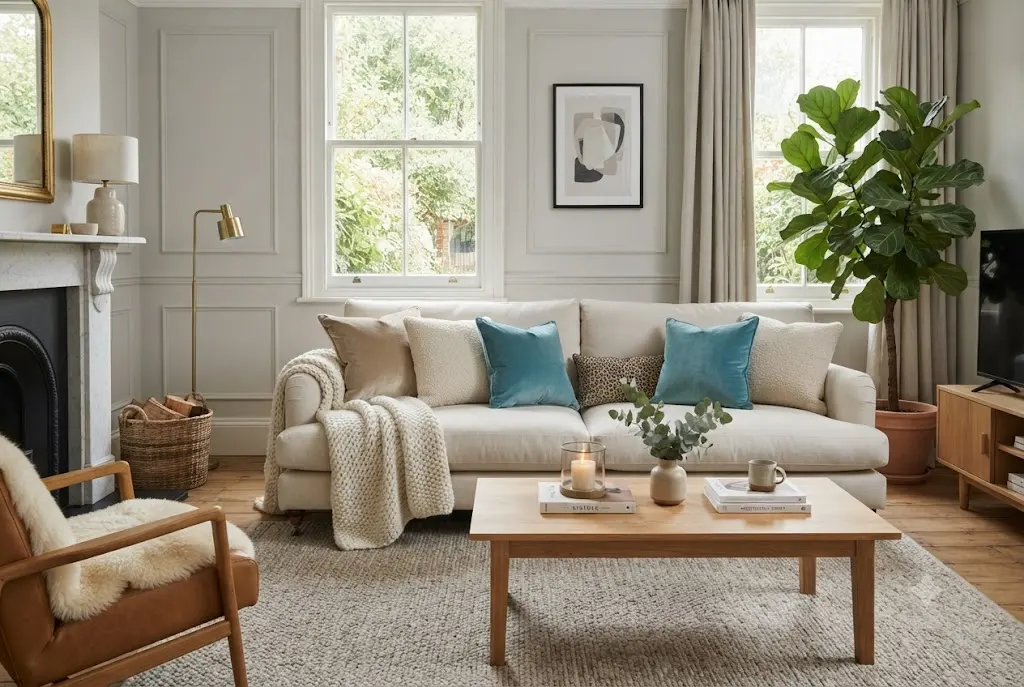
One of the easiest ways to create visual balance is to combine smooth surfaces with soft fabrics. A smooth sofa can look more inviting when paired with cushions, throws, curtains, or a textured rug.
Soft materials introduce warmth and comfort, while smoother finishes provide structure and a cleaner appearance.
This combination works particularly well in contemporary interiors where simple furniture designs may otherwise feel too uniform.
Add Natural Wood Elements
Wood is one of the most versatile materials for home decoration. It can add warmth to modern interiors while complementing both neutral and colorful furniture.
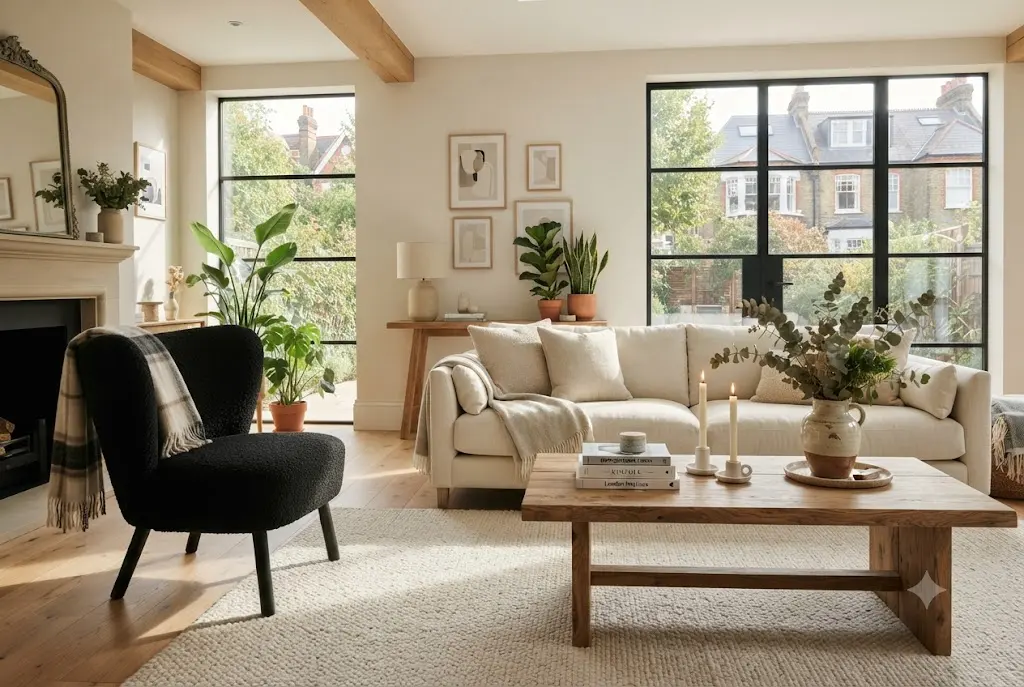
A wooden coffee table, side table, shelving unit, or flooring can work alongside a variety of sofa materials. The natural grain provides visual texture without requiring bold colors.
Different wood tones can also be combined, although it is generally helpful to keep the overall palette coordinated.
Use Rugs to Create Texture
A rug can introduce softness and define a specific area within a room. It can also create a visual connection between furniture pieces.
A textured rug beneath a seating arrangement can soften the appearance of a smooth sofa and make the area feel more comfortable. Wool, woven, patterned, and natural-fiber rugs each create different effects.
When selecting a rug, consider its color as well as its texture. A neutral rug can provide subtle depth, while a patterned design can become a stronger decorative feature.
Introduce Fabrics Through Accessories
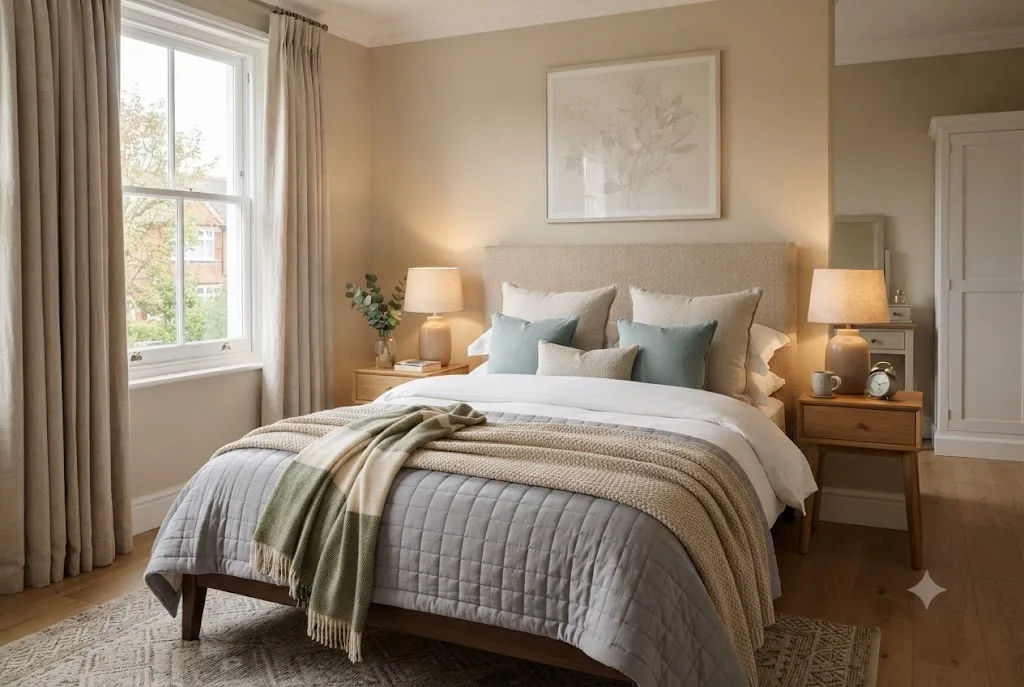
You do not need to replace major furniture pieces to introduce new textures. Cushions, throws, curtains, and blankets can provide an easy way to experiment.
For example, a smooth faux leather sofa can be softened with fabric cushions or a knitted throw. This creates a comfortable contrast while allowing the main furniture to maintain its structured appearance.
Changing textiles is also an inexpensive way to refresh a room as seasons or personal preferences change.
Mix Metal With Softer Materials
Metal can add a modern and refined touch to an interior. Black, brass, chrome, and brushed metal finishes can work particularly well with wood and textiles.
Metal can appear through lighting fixtures, table legs, shelving, handles, decorative objects, and furniture frames.
Because metal tends to have a harder visual quality, balancing it with soft fabrics or natural materials can prevent the room from feeling too cold.
Use Glass to Create Lightness
Glass is another useful material for modern interiors. Glass coffee tables, side tables, cabinet doors, and decorative objects can introduce a sense of openness.
Transparent surfaces allow light to pass through, which can be particularly helpful in smaller rooms. When combined with heavier furniture materials, glass can create an appealing contrast.
For example, a structured sofa paired with a glass coffee table can maintain functionality while giving the seating area a lighter visual appearance.
Think About Color as Well as Texture
Mixing materials does not mean ignoring color. Different textures can appear more cohesive when they share related shades.
A neutral palette can make it easier to combine several materials without creating visual chaos. Warm beige, cream, brown, and natural wood can create a relaxed atmosphere, while black, gray, and metallic finishes can produce a more contemporary effect.
If you want to introduce a strong color, use it selectively through furniture or accessories and repeat it in smaller details throughout the room.
Create Contrast With Natural Elements
Natural elements can soften modern interiors and add character. Plants, rattan, bamboo, stone, wood, and natural fabrics can all introduce organic textures.
Indoor plants are particularly useful because their leaves provide a different shape and texture from furniture and architectural surfaces.
Natural materials also pair well with smooth furniture finishes, creating a balance between contemporary design and organic warmth.
Consider the Size of the Room
The scale of materials and textures should reflect the size of the space. A large room can usually accommodate stronger patterns and larger textured pieces, while smaller spaces benefit from more controlled combinations.
In a compact living room, a heavily patterned rug, bold furniture, and numerous textured accessories may feel overwhelming when combined. Instead, choose one or two strong textures and use simpler materials elsewhere.
Larger rooms can handle more variation because there is enough visual space for individual elements to stand apart.
Keep Patterns Under Control
Patterns can add personality, but using too many different patterns can make an interior feel chaotic. When mixing materials, consider limiting bold patterns to one or two areas.
For example, a patterned rug can be balanced with plain cushions and simple curtains. Alternatively, patterned cushions can add interest to a neutral sofa while keeping the surrounding furniture understated.
The objective is to create variety without losing visual harmony.
Use Lighting to Highlight Materials
Lighting can dramatically affect how textures appear. Natural daylight can reveal the grain of wood, softness of fabrics, and finish of furniture surfaces.
Artificial lighting can then create different effects in the evening. Warm lamps can make textiles and wood feel richer, while accent lighting can highlight decorative surfaces or architectural features.
Consider lighting as another layer of texture and atmosphere rather than treating it as purely functional.
Create a Balanced Seating Area
The living room is often where different materials come together most visibly. A sofa, coffee table, rug, cushions, curtains, and lighting fixture can all contribute to the overall texture of the room.
A smooth sofa can act as the central foundation, while a textured rug and fabric cushions introduce softness. Wooden furniture can provide warmth, and metal or glass details can add a contemporary touch.
The result should feel coordinated rather than perfectly matched.
Mix Materials Without Losing Simplicity
There is a difference between variety and clutter. Mixing materials works best when there is a clear relationship between them.
Choose a limited number of major finishes and repeat them throughout the room. For example, the same wood tone might appear in a coffee table and shelving, while black metal details can be repeated through lighting and furniture legs.
This creates consistency while still allowing individual textures to stand out.
Think About Practical Maintenance
A beautiful material combination also needs to be practical for everyday life. Consider how frequently each surface will be used and how easy it is to clean.
Living rooms used by families may require durable furniture and washable textiles, while decorative materials in less frequently used areas can be selected primarily for visual impact.
Practicality should not limit creativity. Instead, it helps ensure that the interior remains attractive and functional over time.
Let Your Personality Influence the Design
Interior design should reflect personal taste. Some homeowners prefer natural, understated materials, while others enjoy bold contrasts between modern finishes and traditional textures.
Personal objects, artwork, books, plants, and decorative pieces can help make the combination feel unique.
Instead of copying a complete room from a magazine or showroom, use design ideas as inspiration and adapt them to your own lifestyle.
Refresh Textures Seasonally
One advantage of using textiles is that they can be changed easily. Lighter fabrics can create a fresh atmosphere during warmer months, while thicker throws and cushions can make the room feel cozier during colder seasons.
You do not need to change the furniture itself. Small adjustments to rugs, cushions, blankets, curtains, and decorative accessories can create a noticeable difference.
This makes texture an affordable and flexible part of home decoration.
Final Thoughts
Mixing textures and materials is an effective way to create a stylish and comfortable home without relying on complicated decoration. Smooth furniture can be balanced with soft fabrics, while wood, metal, glass, rugs, and natural elements can add depth and character.
The most successful interiors maintain a sense of balance. Choose materials that complement one another, coordinate colors, consider the scale of the room, and avoid introducing too many competing patterns.
With thoughtful combinations, even simple furniture can become part of a sophisticated interior. By focusing on both appearance and practicality, you can create a home that feels welcoming, personal, and visually interesting for years to come.