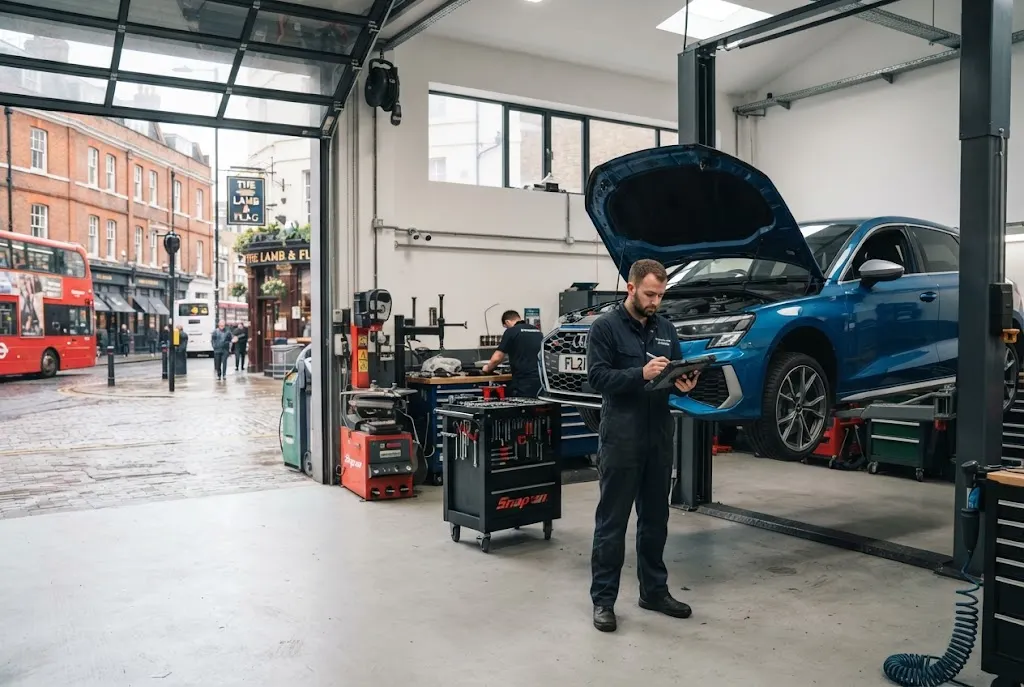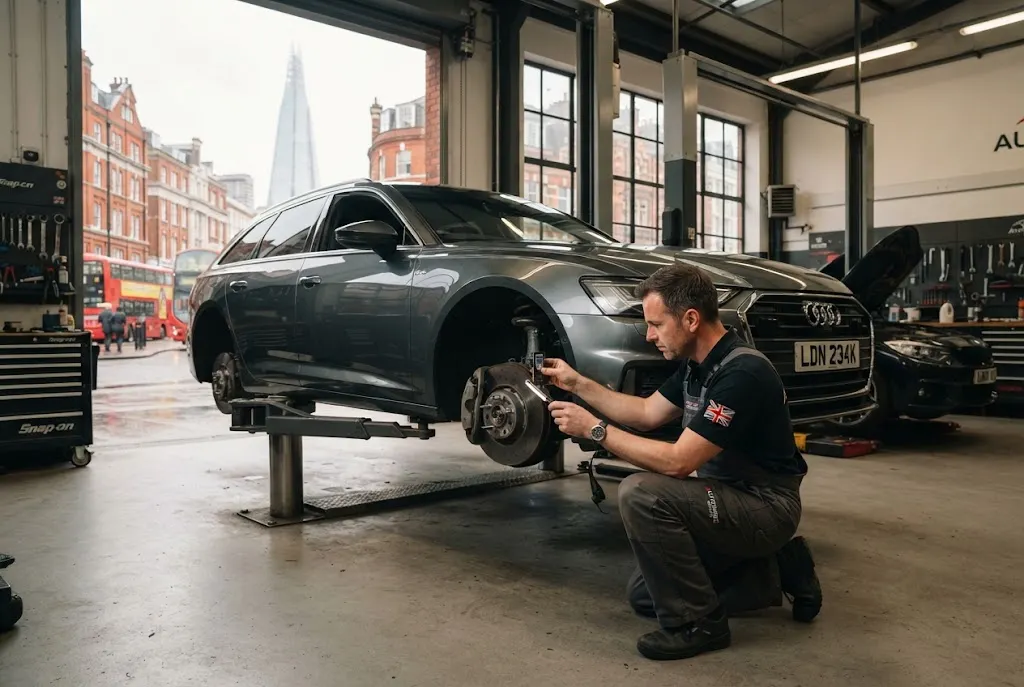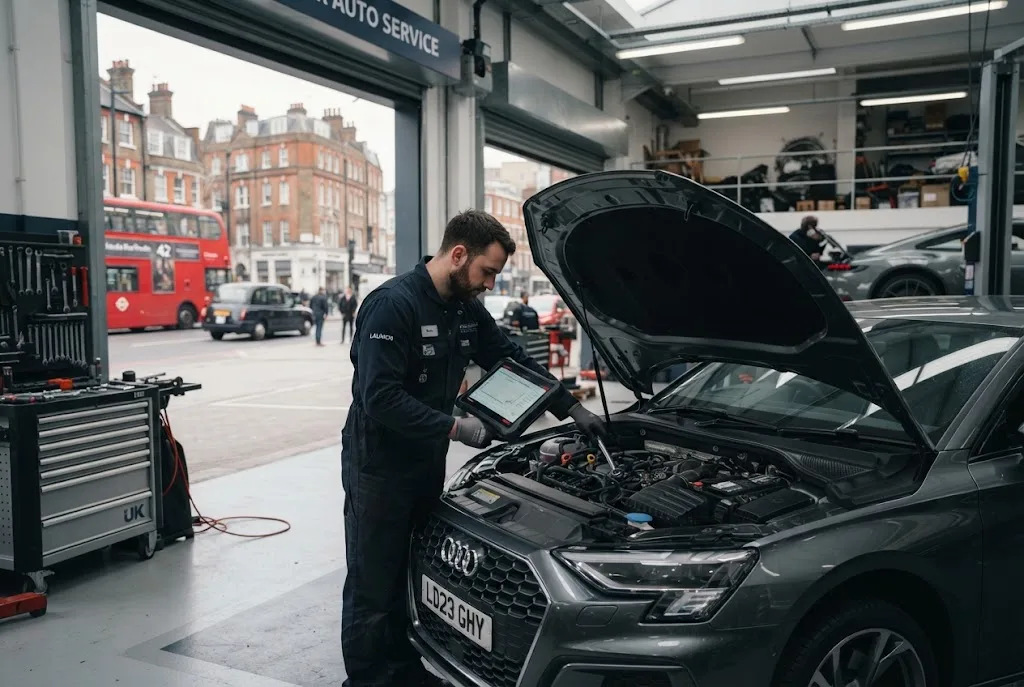
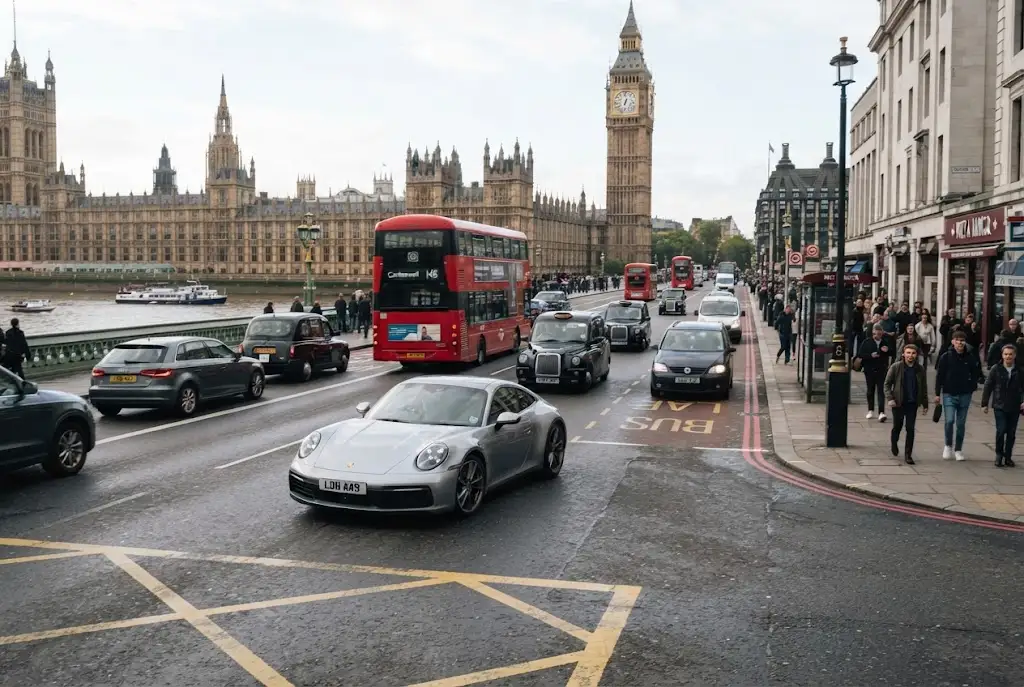
London motoring comes with its own set of challenges. Driving through the capital can involve heavy traffic, frequent stops, restricted parking, busy junctions, changing road conditions and different rules or charges depending on where and when a vehicle is used. For London motorists, understanding these realities can make everyday journeys easier to plan and help reduce unnecessary vehicle costs.
Driving in London is not simply about getting from one postcode to another. Vehicle condition, route planning, congestion, parking, emissions requirements and maintenance all influence the ownership experience. Whether you are a daily commuter, a family driver, a business motorist or an occasional visitor, a practical approach to urban driving can make a significant difference.
What Makes London Motoring Different?
The capital is a densely developed urban environment with a wide range of roads and transport arrangements. A single journey may involve residential streets, major arterial roads, bus lanes, red routes, controlled parking areas and heavily congested central roads.
This means drivers need to pay attention to more than the road immediately ahead. Restrictions can change between areas, while traffic conditions can significantly affect journey times. Route planning is therefore an important part of successful city driving.
London motorists should also remember that road conditions and restrictions can change because of roadworks, major events and temporary closures. Transport for London provides traffic status information and updates for road users planning journeys across the capital.
London Motoring and City Driving
City driving tends to involve more stopping, starting, turning and manoeuvring than many longer-distance journeys. Drivers may spend considerable time travelling at low speeds before accelerating again at junctions or clearer sections of road.
That pattern can place additional demands on brakes, tyres, batteries and other vehicle components. It also makes smooth driving particularly useful. Avoiding unnecessary harsh acceleration and braking can contribute to a more comfortable driving experience while helping motorists respond more calmly to changing traffic conditions.
For vehicle owners, regular auto care services can form an important part of managing the demands associated with urban driving.
Understanding London Roads and Route Planning
London has a mixture of major roads, local streets and strategically important routes connecting different parts of Greater London. Drivers who regularly cross the city can benefit from planning journeys before setting off, particularly when travelling during busy periods.
Route planning should consider more than distance. A theoretically shorter route may involve more junctions, restrictions or congestion than a slightly longer alternative. Similarly, a route that works well at one time of day may become considerably slower during peak periods.
Checking traffic conditions before a journey can therefore be worthwhile. Drivers should also allow additional time when travelling during major events, planned roadworks or periods when important routes are affected.
Congestion and the London Commuter Experience
Congestion is one of the defining features of driving in a large city. Queues can increase journey times and create a stop-start driving pattern that makes even relatively short trips feel demanding.
London’s road-user charging arrangements are another factor motorists need to understand. TfL states that drivers may need to pay the Congestion Charge, ULEZ, Low Emission Zone or Blackwall and Silvertown tunnels charges depending on the vehicle, location and circumstances.
The Congestion Charge currently applies during specified operating hours in its designated zone. Motorists should check the latest official TfL information before travelling because charging arrangements can change.
Understanding these charges before setting off can help drivers avoid unexpected costs and choose routes more intelligently.
London Motoring and ULEZ Requirements
Emissions requirements are an important part of modern London motoring. The Ultra Low Emission Zone currently covers every London borough, and vehicles that do not meet the relevant emissions standards may be subject to a daily charge. The ULEZ operates around the clock apart from Christmas Day.
This makes vehicle compliance particularly important for motorists who regularly travel across Greater London. A driver who understands their vehicle’s emissions status can plan journeys more confidently and avoid discovering charging requirements after entering the zone.
Drivers should always use official TfL or London City Hall resources to check current requirements because charges, exemptions and transport policies can change over time.
Borough Transport and Different Driving Patterns
Greater London contains many boroughs with different local environments. A journey through central London can feel very different from driving through an outer borough, even when the overall distance is similar.
Inner and outer London also contain different road environments and patterns of development. Some areas are dominated by dense commercial activity, while others include larger residential areas and longer connecting routes.
This diversity means there is no single strategy for every London driver. Someone commuting into central London may focus heavily on congestion and parking, while an outer-London family may be more concerned with school runs, local shopping and connections between neighbouring boroughs.
Parking as Part of Urban Motoring
Parking is one of the practical issues that can shape the daily driving experience. Finding a suitable space can take time, while restrictions, permits and controlled parking arrangements vary by location.
Drivers should check the signs and restrictions where they park rather than assuming that rules are identical across the capital. A convenient parking space is only useful if the vehicle can legally and safely remain there.
Care is also important when manoeuvring into tight spaces. Kerbs, narrow gaps and busy car parks can increase the risk of wheel, tyre, mirror or bodywork damage.
When a vehicle does suffer an impact, drivers should consider whether the damage is purely cosmetic or whether components such as the wheel, tyre, steering or suspension may have been affected. Professional auto inspection services can help assess concerns that are not obvious from a quick visual check.
Maintaining a Vehicle for London Roads
A car used regularly in the capital needs appropriate maintenance. Frequent braking, potholes, short journeys and stop-start traffic can all contribute to vehicle wear.
Tyres deserve particular attention because they are directly responsible for maintaining contact with the road. Drivers should monitor their condition and pressures and investigate unusual wear or damage.
Brakes are equally important. A change in braking feel, unusual noise or vibration should not simply be ignored because the vehicle remains driveable.
Suspension and steering can also be affected by rough road surfaces and significant impacts. New vibrations, pulling to one side or unusual noises may justify professional investigation.
Regular maintenance is easier to manage when it becomes part of a wider vehicle-care routine. Drivers can use vehicle checks alongside scheduled servicing to keep track of the condition of important components.
Commuter Culture and Daily Vehicle Use
London’s commuter culture creates a wide range of driving patterns. Some motorists travel into central areas every weekday, while others drive between outer boroughs or use their vehicles only for part of their journey.
High-mileage commuters should pay particular attention to servicing schedules because frequent use can increase wear and maintenance requirements. At the same time, a vehicle that is used only occasionally should not be assumed to require no attention. Battery condition, tyre condition and general vehicle health still matter.
For drivers who rely on their cars for work, an unexpected breakdown can have consequences beyond the repair bill. It may result in missed appointments, delayed jobs or lost working time. In such circumstances, preventative maintenance can have practical value beyond simple vehicle preservation.
Urban Mobility and Alternative Travel Choices
Owning a car in London does not necessarily mean using it for every journey. Public transport, walking, cycling, taxis and other options can sometimes be more practical depending on the destination and time of day.
For motorists, the important consideration is choosing the most suitable transport option for each journey. A car may be highly useful for family trips, transporting equipment or travelling between locations that are poorly connected by public transport. On another day, driving into a congested central area may be less convenient.
This broader view of urban mobility can help motorists use their vehicles more strategically rather than treating the car as the default option for every trip.
London Motoring and Vehicle Service Planning
Maintenance costs are another important part of city ownership. Drivers should budget not only for fuel or charging but also for servicing, tyres, repairs, insurance, parking and applicable road-user charges.
Understanding car service cost can help motorists plan for routine maintenance rather than treating every service appointment as an unexpected expense.
The price of servicing varies according to the vehicle, service requirements, parts and labour. Drivers should therefore compare quotations based on what is actually included rather than selecting a provider purely because of the lowest advertised price.
Mobile Support for London Motorists
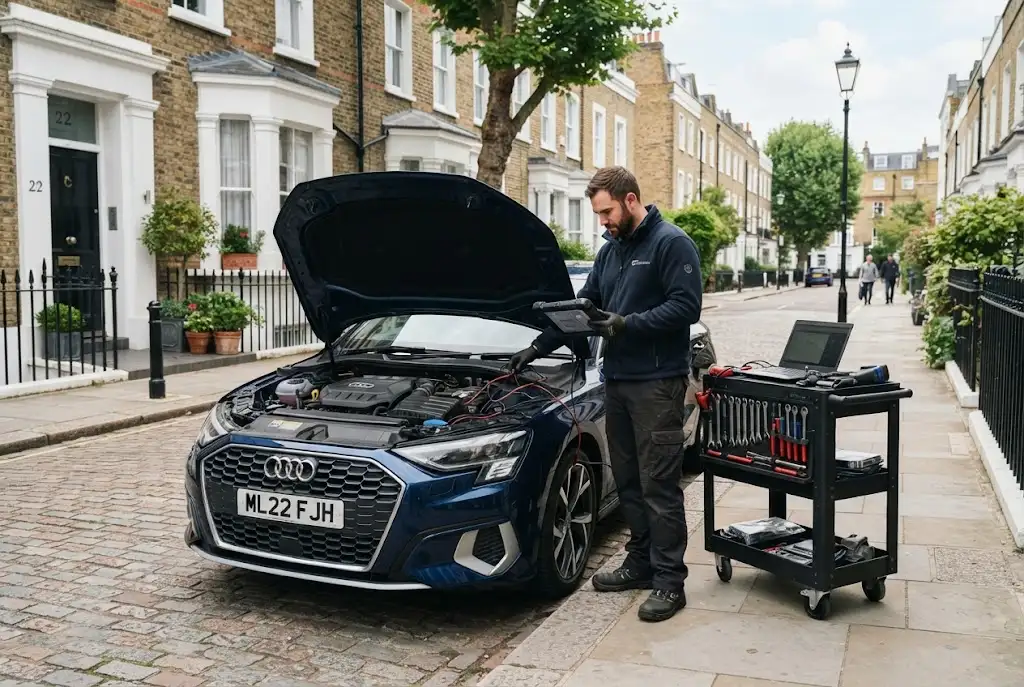
Traditional garages remain important, but mobile automotive services can offer additional flexibility for some motorists. A qualified mechanic may be able to attend a home, workplace or suitable roadside location for certain types of servicing, diagnostics or repair work.
This can be especially useful for busy commuters who cannot easily spend time travelling to a workshop. It may also be helpful when a vehicle has developed a problem that makes driving to a garage unsuitable.
A mobile auto service is not a replacement for every workshop repair. Major mechanical work or jobs requiring specialist facilities may still need to be completed at a fixed garage. However, mobile assistance can be a practical option for appropriate jobs.
Keeping Up With Changes to London’s Roads
London’s transport environment is continually evolving. Roadworks, infrastructure projects, charging arrangements and major events can affect how motorists move around the city.
TfL provides information about major works and events that may affect road journeys, including planned projects on important routes.
Checking official information before an important journey can therefore be worthwhile. It is particularly useful when travelling through unfamiliar areas or when a journey has a fixed arrival time.
Practical Habits for London Motorists
A few simple habits can make everyday urban driving easier to manage:
- Check traffic conditions before important journeys.
- Allow extra time for congestion and roadworks.
- Understand whether your vehicle is affected by applicable road-user charges.
- Check parking restrictions before leaving the vehicle.
- Monitor tyres, lights, brakes and fluid levels.
- Investigate warning lights rather than ignoring them.
- Keep servicing and maintenance records organised.
- Take extra care around potholes and kerbs.
- Plan alternative routes for major journeys.
- Use official TfL information when checking current driving rules and charges.
These habits are simple, but together they can make vehicle ownership more predictable.
London Motoring for Families and Practical Transport
Family transport can create additional demands on a vehicle. School runs, shopping, appointments, weekend activities and longer trips can all contribute to regular mileage.
Families may therefore benefit from combining preventative maintenance with sensible journey planning. A vehicle that is regularly checked and serviced is easier to rely on when transport is essential.
Drivers should also consider the condition of their vehicle before longer journeys. If there is a concern about tyres, brakes, steering, warning lights or another important system, dealing with the issue before travelling is preferable to discovering the problem during a trip.
Planning for the True Cost of City Ownership
The cost of owning a vehicle in London extends beyond the purchase price. Servicing, repairs, fuel or charging, parking, insurance and applicable road-user charges can all contribute to household expenses.
Understanding these costs helps motorists decide how frequently to drive and whether a particular journey is worth making by car. It can also help families and commuters create a more realistic annual motoring budget.
When a vehicle requires maintenance, comparing the likely expense with the importance of the repair is useful. Safety-related problems should not be delayed simply because the repair is inconvenient, while cosmetic work may sometimes be planned for a more suitable time.
Final Thoughts on London Motoring
London motoring requires more awareness than simply knowing how to drive a car. Congestion, borough differences, parking, road conditions, emissions requirements and road-user charges all form part of the everyday experience.
The most effective approach is practical rather than complicated. Plan important journeys, check current traffic information, understand applicable charging requirements and maintain the vehicle consistently. Drivers should also respond promptly to warning signs and use professional inspections or servicing when necessary.
London’s roads will continue to evolve, but the fundamentals of responsible urban motoring remain straightforward. A well-maintained vehicle, sensible route planning and awareness of local rules can help motorists navigate the capital with greater confidence while keeping unnecessary disruption and expenses under better control.