Reliable auto care services can make everyday vehicle ownership much easier in London. City driving often means frequent stops, crowded roads, tight parking spaces, short journeys and long periods of slow-moving traffic. Over time, these conditions can place additional demands on tyres, brakes, batteries, suspension and other vehicle components. A practical maintenance routine helps drivers identify issues early and keep their cars better prepared for daily use.
Good vehicle care is not only about repairing a car after something goes wrong. It also involves routine checks, scheduled servicing, sensible driving habits and prompt attention to unusual noises, warning lights or changes in performance. For London motorists, this preventative approach can help reduce avoidable disruption and make urban ownership more manageable.
Why Auto Care Services Matter for London Drivers
Vehicles used in cities experience a different pattern of driving from cars that spend most of their time on open roads. Stop-start traffic can mean repeated braking and acceleration, while short trips may prevent the engine and other systems from operating under ideal conditions for long periods.
Parking presents another challenge. Narrow spaces, busy car parks and crowded residential streets increase the risk of minor scrapes, kerb impacts and parking damage. Meanwhile, potholes and uneven road surfaces can affect tyres, wheels, steering and suspension.
Regular auto care services provide an opportunity to monitor these areas rather than waiting until a minor concern develops into a more disruptive fault.
What Vehicle Care Should Include
Vehicle care is broader than an occasional garage visit. The exact maintenance requirements depend on the make, model, age, mileage and driving conditions, but several areas deserve consistent attention.
Tyres and Wheels
Tyres are essential to braking, handling and road contact. Drivers should regularly look for visible damage and unusual wear and keep tyre pressures at the manufacturer’s recommended levels.
Urban driving can expose tyres and wheels to kerbs, potholes and debris. If the steering suddenly feels different or a wheel has suffered a significant impact, professional assessment may be appropriate.
Brakes
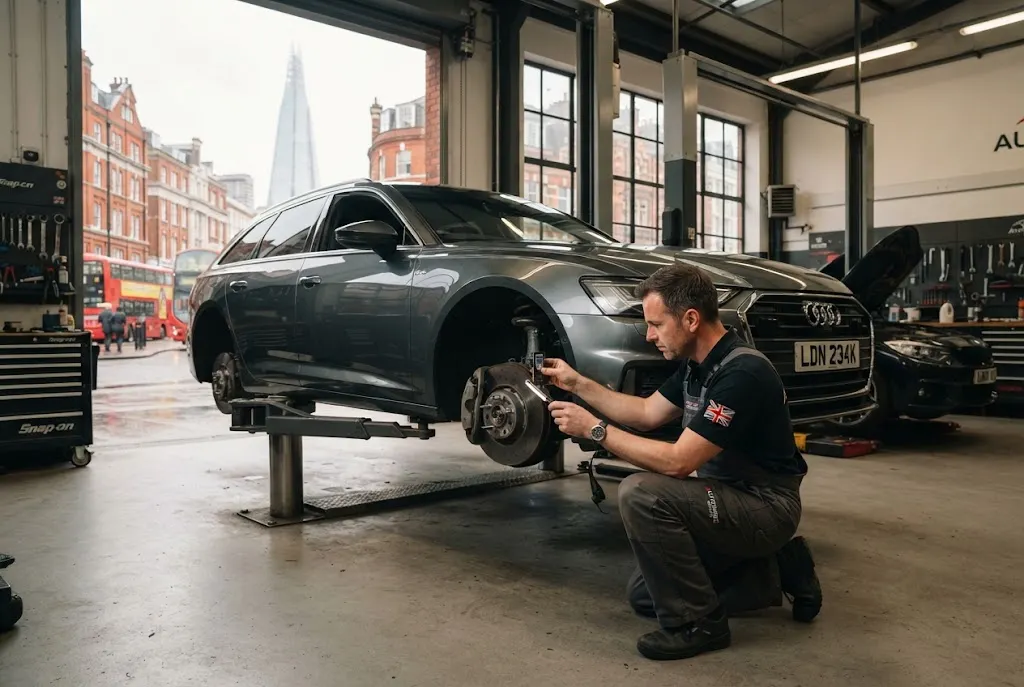
Frequent stopping is a normal part of driving in London. Changes in braking performance, unusual noises, vibrations or a warning light should not be ignored.
Brake components wear over time, so routine servicing and inspection can help determine whether maintenance is required. Drivers should always treat a significant change in braking performance as a safety concern.
Battery and Electrical Systems
Modern vehicles rely on electrical systems for starting, lighting, safety features, infotainment and many other functions. Battery problems can be particularly inconvenient when a vehicle is used for commuting or family transport.
Cars that make frequent short journeys or remain parked for long periods may require particular attention to battery condition. If starting becomes slower than usual or electrical warning signs appear, a professional check can help identify the cause.
Fluids and Under-Bonnet Checks
Fluid levels and visible leaks can provide useful clues about a vehicle’s condition. Drivers should follow the manufacturer’s recommendations for checking and replacing relevant fluids rather than relying solely on visual inspection.
A professional technician can investigate leaks, unusual smells or other signs that something may require attention.
Auto Care Services for City Driving
City driving creates a combination of conditions that can influence vehicle wear. Traffic queues, frequent junctions, speed changes and repeated short journeys can all contribute to a demanding driving pattern.
Drivers can respond by keeping up with scheduled servicing and paying attention to changes in how their vehicles behave. For example, unusual steering feedback, new vibrations, changes in fuel consumption or unfamiliar engine noises can all justify further investigation.
For a broader understanding of vehicle ownership in the capital, drivers can also explore London motoring, including the practical realities of travelling across different parts of the city.
Dealing With Parking Damage
Parking damage is an unfortunate part of urban vehicle ownership for some motorists. Scratches, small dents, damaged mirrors and kerb-related wheel damage can occur even when a driver is careful.
Not every cosmetic mark requires immediate professional attention, but damage should be assessed when it affects safety or could expose vulnerable components to further deterioration. A damaged mirror, light, tyre or wheel, for example, deserves more attention than a purely cosmetic surface mark.
Drivers should also inspect their vehicles after significant impacts. What appears to be minor external damage can sometimes accompany an issue with alignment, suspension or another component underneath the vehicle.
Commuter Maintenance for High-Mileage Drivers
Commuters who regularly travel across London may accumulate significant mileage and spend considerable time in traffic. Their maintenance needs can therefore differ from those of someone who uses a vehicle only occasionally.
High-mileage drivers should keep accurate service records and follow the manufacturer’s maintenance recommendations. Tyres, brakes, suspension and other wear-related components deserve particular attention when a vehicle is exposed to frequent urban journeys.
It is also useful to respond promptly when a vehicle begins behaving differently. Delaying an investigation because the car is still technically drivable can sometimes allow a developing issue to become more expensive or disruptive.
Auto Care Services for Family Transport
Families often rely on vehicles for school runs, shopping, appointments, activities and longer journeys. Reliability therefore becomes an important part of practical family transport.
A sensible maintenance routine can include regular tyre and fluid checks, scheduled servicing and prompt investigation of warning lights or unusual vehicle behaviour. Before longer family journeys, drivers may also want to arrange appropriate vehicle inspections if they have concerns about the car’s condition.
Keeping maintenance organised can also reduce the likelihood of an unexpected breakdown disrupting an important appointment or journey.
Urban Ownership and Seasonal Vehicle Care
Vehicle care should adapt to changing driving conditions throughout the year. Different weather conditions can affect visibility, tyres, batteries and other components, making seasonal awareness useful for London motorists.
Before periods of colder weather, drivers can check their battery condition, tyres, lights and windscreen visibility. During warmer periods, cooling-system concerns deserve attention if the vehicle shows signs of overheating or unusual temperature behaviour.
Seasonal care does not necessarily mean buying additional products or performing complicated maintenance. In many cases, it simply means paying attention to the areas most relevant to the conditions in which the vehicle is being used.
When to Arrange Professional Vehicle Care
Some maintenance tasks can be handled through routine driver checks, while others require professional equipment and expertise. Drivers should consider professional assistance when they notice:
- Unusual engine or exhaust noises
- Changes in braking performance
- Steering that feels different from normal
- Repeated dashboard warning lights
- Unexplained fluid leaks
- Persistent vibrations
- Uneven tyre wear
- Starting problems
- Signs of overheating
- Damage following a pothole, kerb or collision
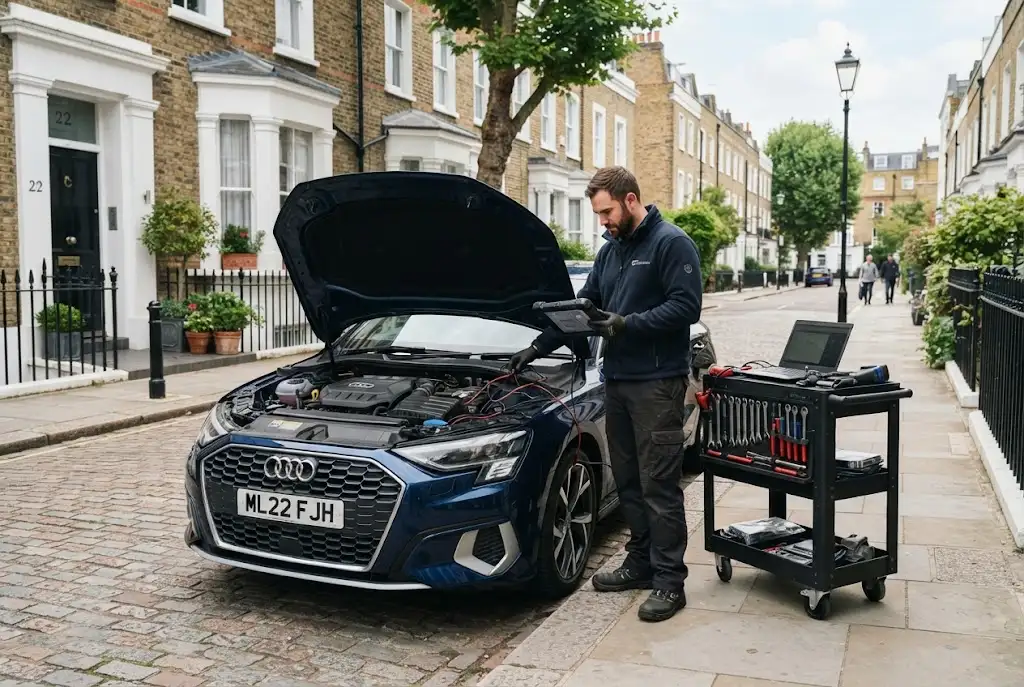
Diagnostic equipment can be particularly useful when a warning light appears but the cause is not immediately obvious. In these circumstances, mobile auto service may also be a convenient option when the required assessment or repair can safely be completed at the vehicle’s location.
Auto Care Services and Preventative Maintenance
Preventative maintenance is one of the most effective ways to approach vehicle ownership. Rather than waiting for a component to fail, drivers can use servicing and inspections to monitor the condition of important systems.
This does not mean replacing parts unnecessarily. Good maintenance involves identifying genuine wear or faults, understanding their urgency and making informed decisions about appropriate repairs.
Keeping a service history can also make future maintenance easier. Records help owners understand when work was completed and can provide useful information when discussing the vehicle with a technician or considering a future sale.
Understanding Servicing Costs
Budgeting for maintenance is an important part of urban ownership. Costs vary according to vehicle type, service requirements, parts, labour and the nature of any repairs that may be required.
Drivers can make costs more predictable by following scheduled maintenance rather than relying entirely on emergency repairs. Understanding the factors behind car service cost can also help motorists compare estimates and plan household motoring expenses.
A low initial price should not automatically determine the choice of service provider. Drivers should consider what is included, the quality of the work, the technician’s experience and whether the service is appropriate for the vehicle.
Practical Motoring Habits That Support Vehicle Care
Professional maintenance is only one part of vehicle care. Driving habits can also influence how quickly certain components wear.
Avoiding unnecessarily harsh acceleration and braking, paying attention to road conditions and taking care around kerbs can help reduce avoidable stress on the vehicle. Drivers should also avoid ignoring warning signs simply because the vehicle continues to operate normally.
Keeping the interior and exterior reasonably clean has practical benefits too. Regular cleaning can make it easier to spot new scratches, dents, corrosion or other changes that might otherwise go unnoticed.
Choosing the Right Vehicle Care Provider
When selecting an automotive provider, London motorists should first identify what they actually need. A routine service, diagnostic investigation, inspection and repair are different services and may require different equipment or expertise.
Ask what the appointment includes and whether additional work will require separate approval. Clear estimates can make it easier to understand the expected cost before work begins.
For motorists who need flexible scheduling, it can also be worth checking whether the provider offers home or workplace appointments. Mobile services can be particularly convenient when travelling to a workshop would create unnecessary disruption.
Auto Care Services as Part of a Wider London Driving Plan
Vehicle maintenance works best when it is considered alongside the realities of city ownership. Drivers need to think about commuting, parking, road conditions, journey length, vehicle age and household budgets rather than treating maintenance as an isolated expense.
Regular inspections can identify issues, while servicing addresses scheduled maintenance requirements. Mobile mechanics can provide flexibility when suitable work can be completed at the vehicle’s location. Together, these options give motorists different ways to manage everyday vehicle needs.
For drivers researching broader vehicle maintenance decisions, understanding vehicle checks can provide another useful part of the overall maintenance picture.
Final Thoughts on Auto Care Services in London
Effective auto care services are about more than reacting to breakdowns. They provide a structured way for London motorists to maintain their vehicles, identify developing problems and respond to the particular demands of urban driving.
From tyres and brakes to batteries, suspension and diagnostic systems, regular attention can help drivers understand the condition of their cars and plan maintenance more effectively. Parking damage, heavy commuting and frequent short journeys may create additional challenges, but sensible driving habits and preventative maintenance can help manage them.
Ultimately, practical vehicle care comes down to consistency. Follow the manufacturer’s maintenance recommendations, investigate unusual changes promptly, arrange professional checks when appropriate and keep useful service records. For people navigating London every day, that approach can make car ownership more predictable, safer and easier to manage.