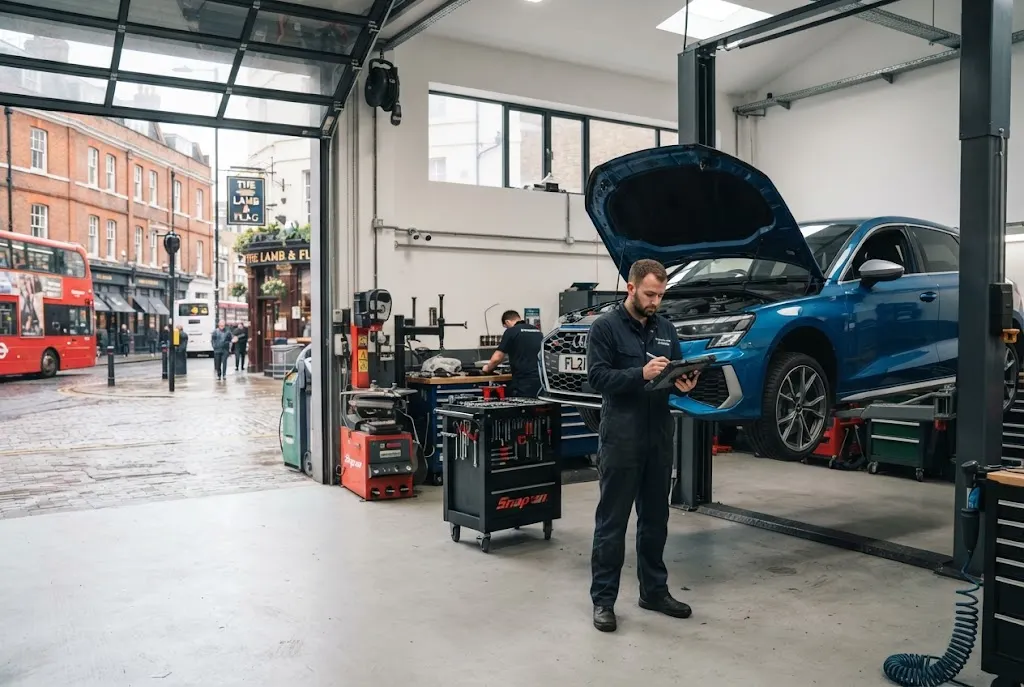
Finding reliable auto inspection services is an important part of responsible vehicle ownership in London. With busy roads, frequent stop-start journeys, parking pressures and long commutes across different boroughs, a car can develop problems that are not always obvious from the driver’s seat. A professional vehicle inspection can identify developing faults, check key safety systems and give motorists a clearer picture of their car’s condition.
For London drivers, inspections can also be useful when buying a used vehicle, preparing for an MOT, investigating an unfamiliar warning light or checking whether a vehicle remains suitable for regular city driving. The right inspection is not simply about finding faults. It is about understanding the vehicle before a small issue becomes a costly repair.
Why Auto Inspection Services Matter in London
London places different demands on vehicles compared with many quieter driving environments. Traffic congestion, repeated braking, short journeys, potholes, tight parking spaces and frequent acceleration can all contribute to wear over time.
Regular inspections give drivers an opportunity to identify problems before they affect reliability or safety. A technician may examine components such as brakes, tyres, suspension, steering, lights, fluid levels and visible engine-related issues. Depending on the service, diagnostic equipment may also be used to investigate electronic faults.
This is particularly useful for motorists who rely on their vehicles every day. A commuter who drives between boroughs, a parent using a car for school runs or a tradesperson travelling to multiple jobs may have little flexibility when an unexpected breakdown occurs.
What a Vehicle Inspection Can Check
The exact scope of a vehicle inspection depends on the service provider and the reason for the inspection. However, a thorough assessment can cover several important areas.
Brakes and Tyres
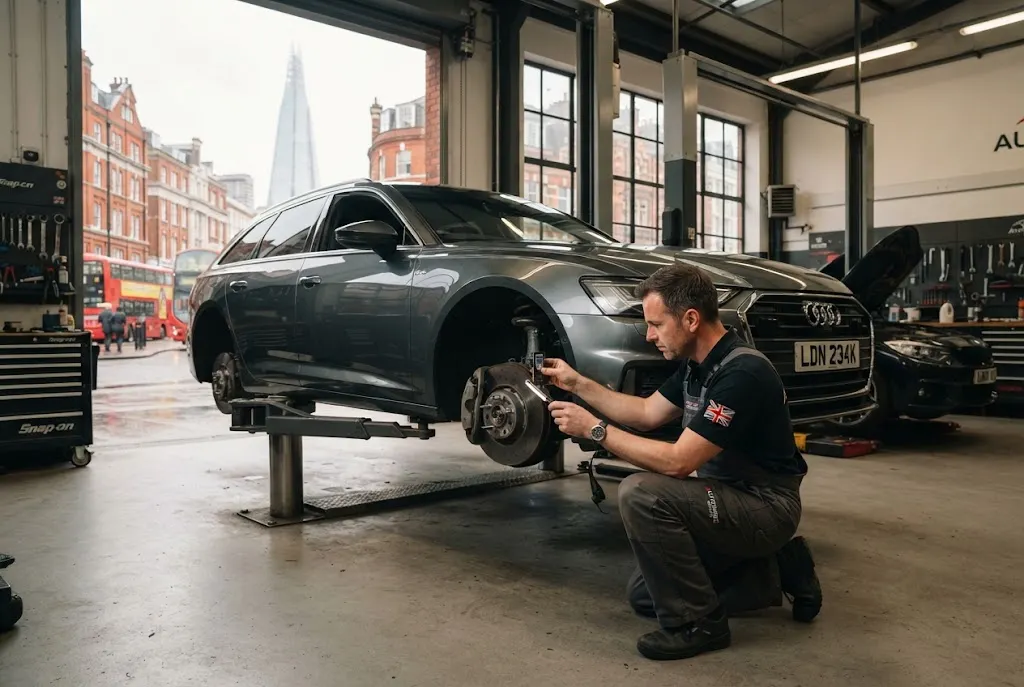
Brakes and tyres are fundamental to vehicle safety. An inspection can look for visible wear, damaged components, uneven tyre wear, tread condition and other signs that may warrant further attention.
Steering and Suspension
Steering and suspension components experience regular stress on urban roads. Knocking sounds, unusual vibration, uneven handling or changes in steering feel can indicate a problem that deserves investigation.
Lights and Electrical Systems
Headlights, brake lights, indicators and other electrical systems are important for visibility and communication with other road users. An inspection can help identify failed bulbs, electrical faults or warning indicators that should not be ignored.
Engine and Fluid Checks
Basic checks of engine-related components and fluid levels can reveal signs of leaks, contamination or maintenance issues. These checks are especially useful when a driver notices unusual smells, smoke, overheating or changes in engine performance.
Diagnostic Services
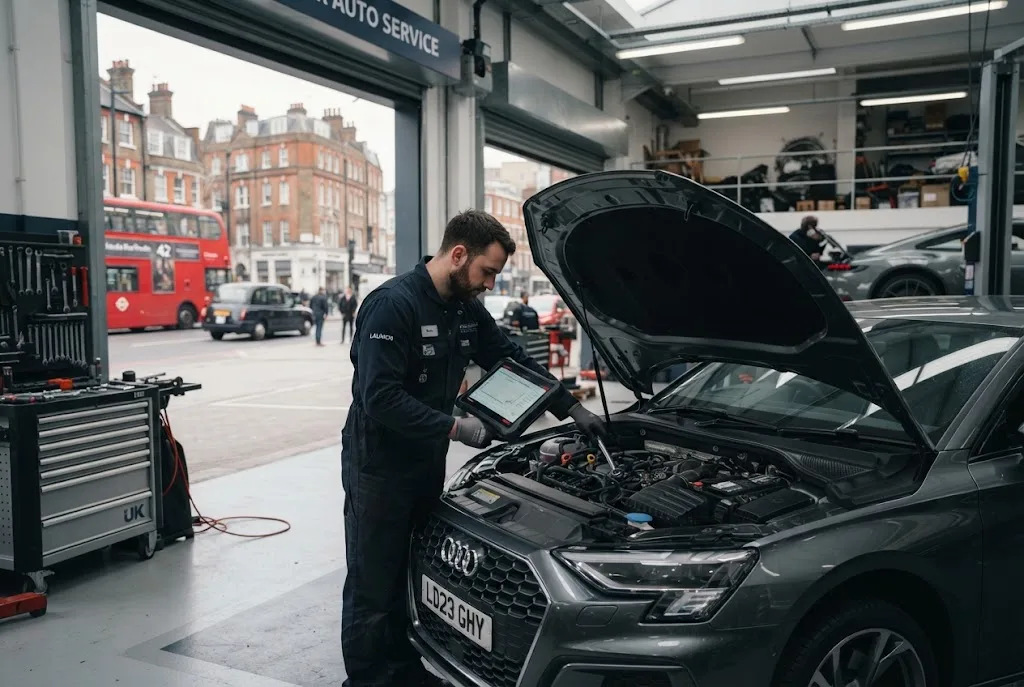
Modern vehicles contain numerous electronic control systems. When a dashboard warning light appears, diagnostic services can help technicians identify stored fault codes and investigate the underlying issue. Diagnostic scanning does not automatically mean that a component needs replacing; further testing may be necessary before a repair is recommended.
Auto Inspection Services and Roadworthiness
Roadworthiness is broader than simply checking whether a vehicle starts and drives. A roadworthy vehicle should be maintained so that important safety-related systems remain in suitable condition.
Professional auto inspection services can provide an additional assessment between routine servicing appointments. This can be particularly helpful when a driver has noticed changes in braking, steering, handling, engine behaviour or tyre condition.
However, an inspection should not be confused with an official MOT test. An independent inspection may be more detailed in certain areas, depending on what the customer requests, but it does not replace any legally required test or certificate.
London Inspections for Used Car Buyers
Buying a used vehicle can be one of the most useful situations for arranging an independent inspection. A car may look clean externally while still having mechanical, electrical or maintenance issues that are difficult for an inexperienced buyer to identify.
A pre-purchase vehicle inspection can help the buyer understand the condition of the car before committing to the purchase. It may highlight areas requiring immediate attention, upcoming maintenance needs or questions that should be raised with the seller.
Buyers should still review the vehicle’s documentation, MOT history, mileage, service records and other relevant information. An inspection is one part of the decision-making process rather than a guarantee that a vehicle will remain problem-free.
Safety Inspections Before Long Journeys
London motorists do not always use their cars exclusively within the capital. Weekend trips, holidays and longer journeys can place additional demands on a vehicle that normally completes short urban journeys.
A pre-trip inspection can be a sensible way to check tyres, fluids, lights, brakes and other essential areas before travelling. If the vehicle has recently developed a warning light, unusual vibration or strange noise, it is better to investigate the issue before setting off on a long journey.
Drivers who regularly deal with city congestion may also benefit from combining inspections with broader auto care services. Routine vehicle care can help identify maintenance requirements before they become unexpected problems.
Vehicle Checks for Different London Drivers
Not every London motorist uses a vehicle in the same way. Inspection priorities can vary depending on mileage, vehicle age, driving patterns and daily requirements.
For example, high-mileage commuters may want closer attention paid to tyres, brakes and suspension. Families may prioritise safety-related checks before busy periods of travel. Drivers who rarely use their vehicles may need to pay particular attention to battery condition, tyres and other components affected by long periods of inactivity.
Drivers who depend on their vehicles for work can also benefit from planned inspections because downtime may affect appointments, deliveries or customer commitments. In these circumstances, prevention can be more practical than waiting for a failure.
Inspection Centres vs Mobile Vehicle Checks
Traditional inspection centres can be suitable when a vehicle needs access to workshop equipment or a more extensive mechanical assessment. They can also be convenient when multiple maintenance tasks need to be completed during the same visit.
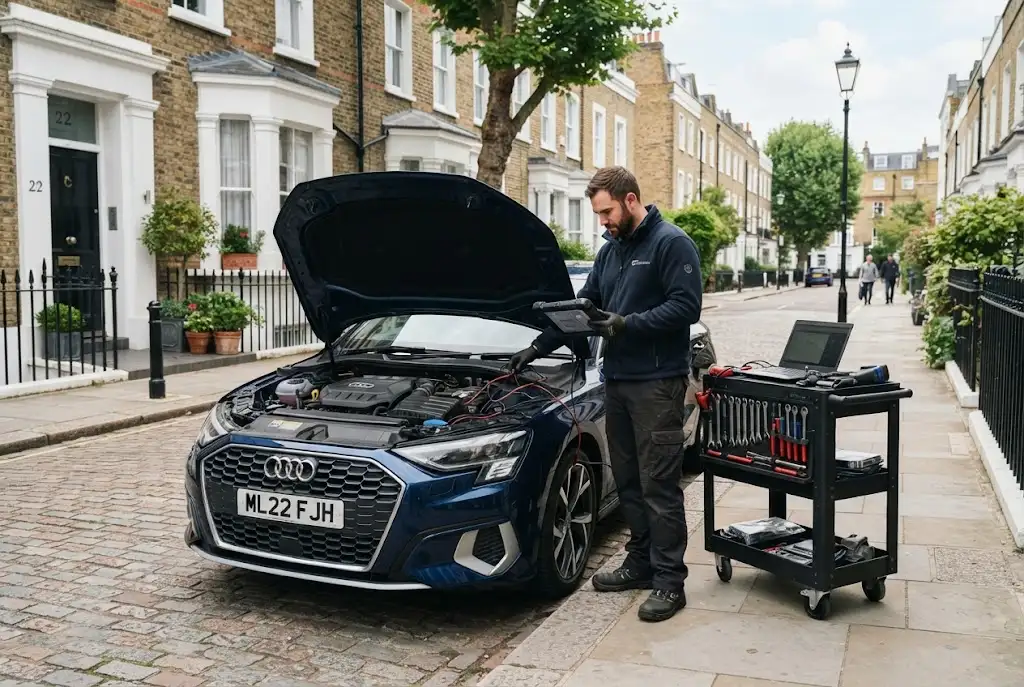
On the other hand, some motorists may prefer a mobile approach for certain types of inspection or diagnostic work. This can be useful for vehicles that are difficult to drive because of a suspected fault or for busy owners who cannot easily spend time travelling to a workshop.
Mobile services are closely connected with the wider mobile auto service model, which can provide greater flexibility for home and workplace appointments where the required work can safely be completed on location.
City Compliance and Vehicle Checks
London motorists also need to consider the rules and schemes that can affect vehicles operating in the capital. Emissions requirements are particularly relevant because the Ultra Low Emission Zone covers all London boroughs. Drivers can use the official London guidance to check current requirements and vehicle compliance information.
For official information about the Ultra Low Emission Zone and current vehicle requirements, motorists should consult London City Hall’s ULEZ guidance.
It is important to distinguish city compliance from mechanical roadworthiness. A vehicle can meet an emissions-related requirement while still needing attention to brakes, tyres, suspension or other mechanical systems. Conversely, a mechanically well-maintained vehicle may still need to meet separate regulatory requirements before being used in particular areas.
When Should You Book an Inspection?
There is no single inspection schedule that suits every vehicle. However, certain situations should prompt drivers to consider a professional assessment.
- Before purchasing a used vehicle
- When unusual noises or vibrations appear
- After hitting a significant pothole or kerb
- When dashboard warning lights appear
- Before an important long-distance journey
- When braking or steering feels different
- After a vehicle has been unused for an extended period
- When preparing an older vehicle for continued daily use
Drivers should not wait for a complete breakdown before investigating a persistent warning sign. Early diagnosis can sometimes make it easier to understand the problem and plan appropriate repairs.
How to Choose Auto Inspection Services in London
When comparing providers, motorists should look beyond price alone. A useful inspection should clearly explain what is included, whether diagnostic equipment is available and whether the technician will provide a written report or explanation of findings.
It is also worth asking whether the inspection is designed for a specific purpose. A pre-purchase inspection, general safety check and diagnostic investigation can have different scopes. Choosing the right service helps prevent misunderstandings about what the inspection is intended to establish.
Local coverage can matter as well. London is a large and diverse driving environment, so availability across different boroughs may influence which provider is most convenient. Drivers should also check whether follow-up repairs, servicing or additional diagnostic work can be arranged if a problem is identified.
Planning Vehicle Maintenance Beyond the Inspection
An inspection is most valuable when its findings are used to guide future maintenance. If a technician identifies worn tyres, brake concerns or another developing issue, the next step should be to understand the urgency and arrange appropriate work.
This is where regular maintenance becomes part of a wider ownership strategy. Drivers can combine inspections with routine servicing and practical car service cost planning to make vehicle expenses easier to anticipate.
For motorists who spend much of their time navigating the capital, understanding London motoring as a whole can also help connect vehicle maintenance with congestion, commuting patterns, parking and everyday urban mobility.
Make Vehicle Checks Part of Your London Driving Routine
Reliable auto inspection services can give London motorists a clearer understanding of their vehicle’s condition and help identify problems before they become disruptive. Whether the goal is checking roadworthiness, investigating a warning light, assessing a used car or preparing for a long journey, a professional inspection can provide useful information for better maintenance decisions.
For London drivers, the best approach is not to treat an inspection as a one-off reaction to a problem. Instead, it can form part of a practical vehicle-care routine alongside servicing, diagnostics and sensible checks between appointments. By paying attention to changes in vehicle behaviour and dealing with concerns early, motorists can make everyday driving more predictable, safer and easier to manage.