Regular vehicle maintenance is essential for London drivers who rely on their cars for commuting, family journeys, work and everyday travel. Busy roads, congestion, frequent stops and short urban trips can create different demands from long-distance motorway driving. A sensible maintenance routine helps motorists keep track of their vehicle’s condition, deal with developing issues and reduce the risk of avoidable disruption.
Good maintenance is not simply about repairing a car when something breaks. It involves preventative checks, scheduled servicing and paying attention to changes in how a vehicle performs. By understanding the basics of urban vehicle care, London motorists can make more informed decisions about when professional attention is needed.
Why Vehicle Maintenance Matters in London
London traffic can be demanding on vehicles. Stop-start journeys often involve repeated acceleration and braking, while congestion can keep vehicles moving slowly for extended periods. Drivers who regularly make short journeys may also use their cars differently from motorists who spend most of their time on open roads.
These conditions do not mean every London vehicle requires a different maintenance schedule. However, they make it particularly important to follow the manufacturer’s recommendations and remain aware of the vehicle’s condition.
Regular maintenance provides opportunities to inspect important components before a minor concern develops into a more disruptive fault. It can also help drivers identify items that need attention as the vehicle ages or its mileage increases.
Vehicle Maintenance for London Commuters
Daily commuting can make a vehicle an essential part of a person’s routine. A breakdown or unexpected mechanical problem can affect work, school runs, appointments and other commitments. For this reason, commuters can benefit from treating maintenance as an ongoing responsibility rather than something to consider only when the vehicle develops a noticeable fault.
A maintenance routine should take account of the manufacturer’s service schedule, the vehicle’s mileage and how it is used. Someone driving through London every day may need to pay particular attention to areas affected by repeated braking, low-speed traffic and frequent short journeys.
Keeping a record of servicing and repairs can also make maintenance easier to manage. It provides a useful reference when deciding what has recently been checked and which scheduled tasks may be approaching.
Preventive Maintenance vs Reactive Repairs
Preventive maintenance aims to identify and address vehicle-care requirements before they become serious problems. Scheduled servicing, fluid checks, tyre inspections and replacing service items at the appropriate intervals are examples of preventative care.
Reactive repairs happen after a problem has already developed. A warning light, unusual noise, steering issue or loss of performance may lead a driver to visit a garage for diagnosis and repair.
Both are necessary parts of vehicle ownership, but preventative maintenance can provide a more organised approach. Waiting until a vehicle fails can sometimes result in greater inconvenience and potentially more extensive repair work.
Key Areas of Urban Vehicle Care
Tyres
Tyres are among the most important areas for regular inspection. Drivers should pay attention to tyre condition and maintain the correct pressures according to the vehicle manufacturer’s recommendations.
Uneven wear, visible damage or unusual changes in handling should not be ignored. If something appears abnormal, a professional inspection can help determine whether the tyres or another component requires attention.
Brakes
Repeated braking is a normal part of city driving. London motorists may encounter frequent junctions, traffic queues, pedestrian crossings and changing traffic conditions, all of which can involve regular use of the braking system.
Drivers should take notice of changes such as unusual noises, vibrations or a noticeable difference in braking performance. These symptoms can have several possible causes, so proper inspection is preferable to assuming that a particular component is responsible.
Engine Oil and Fluids
Correct fluid levels are an important part of vehicle care. Engine oil plays a critical role in lubricating the engine, while other fluids support systems such as cooling, braking and windscreen cleaning.
Drivers should follow their vehicle’s instructions regarding fluid checks and replacement intervals. If a fluid level repeatedly falls or a leak is visible, professional advice may be appropriate.
Battery
Vehicle batteries can become less effective as they age. Drivers may notice slower engine starting or other signs of reduced battery performance.
Regular servicing can provide an opportunity to check the battery and charging system. This can be particularly useful for motorists who depend heavily on their cars for daily commuting.
How Stop-Start Driving Can Affect Your Vehicle
Stop-start driving is a normal feature of London’s road network, particularly during busy periods. A typical urban journey may involve repeatedly moving away from traffic lights, slowing down, stopping in queues and accelerating again.
This driving pattern can place repeated demands on components such as the brakes and clutch. It may also mean that some vehicles spend considerable time operating under conditions that differ from longer journeys.
Drivers should not assume that every component needs replacing simply because they drive in traffic. Instead, regular inspections and attention to the manufacturer’s maintenance schedule provide a sensible basis for deciding when work is required.
Following Vehicle Maintenance Schedules
Maintenance schedules exist to help owners understand when particular checks or servicing tasks are due. The recommended interval can vary according to the vehicle’s make, model, age, engine and mileage.
Some vehicles use mileage-based schedules, while others also take time into account. Modern vehicles may provide dashboard reminders, but drivers should still understand the manufacturer’s recommendations rather than relying entirely on a warning appearing.
If you are unsure which maintenance work is due, a reputable garage can review the vehicle’s service history and manufacturer guidance with you. This is particularly helpful when buying a used vehicle with incomplete documentation.
Vehicle Maintenance and Regular Car Servicing
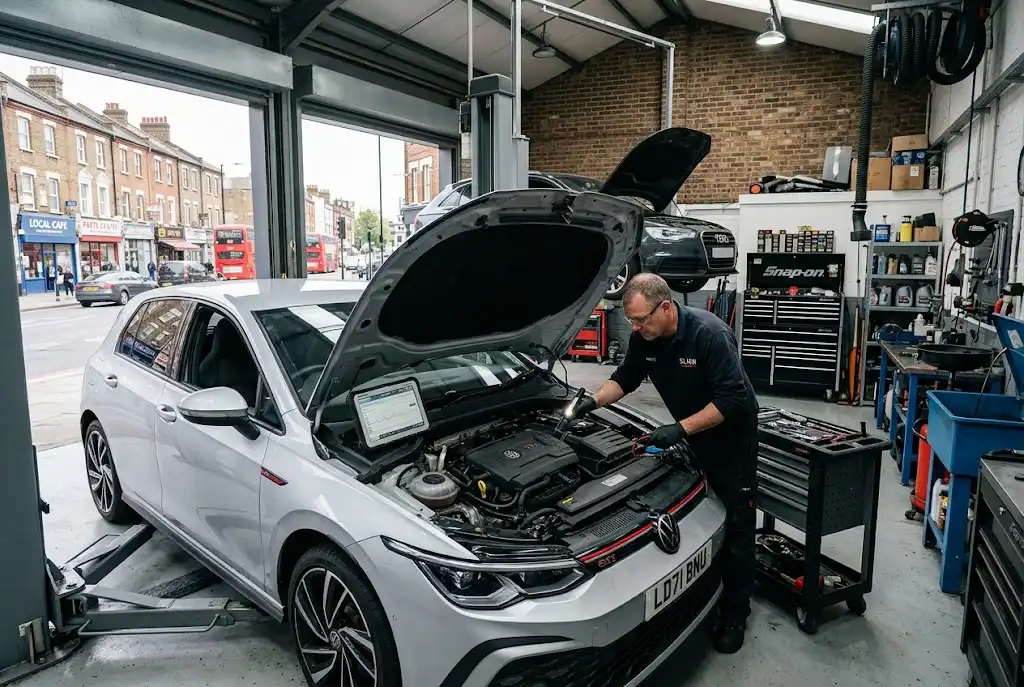
Maintenance and servicing are closely connected, but they are not identical concepts. Maintenance includes the wider range of checks and actions used to keep a vehicle in good condition. Servicing is a scheduled form of professional maintenance carried out at appropriate intervals.
A service may include inspections, fluid checks, oil and filter changes and other work depending on the service level and vehicle requirements. Drivers can learn more about the different service levels in our guide to car servicing in London.
Keeping both activities in mind creates a more complete approach to vehicle care. A car should not be considered fully maintained simply because it recently passed a scheduled service if new warning signs appear afterwards.
When to Visit a London Garage
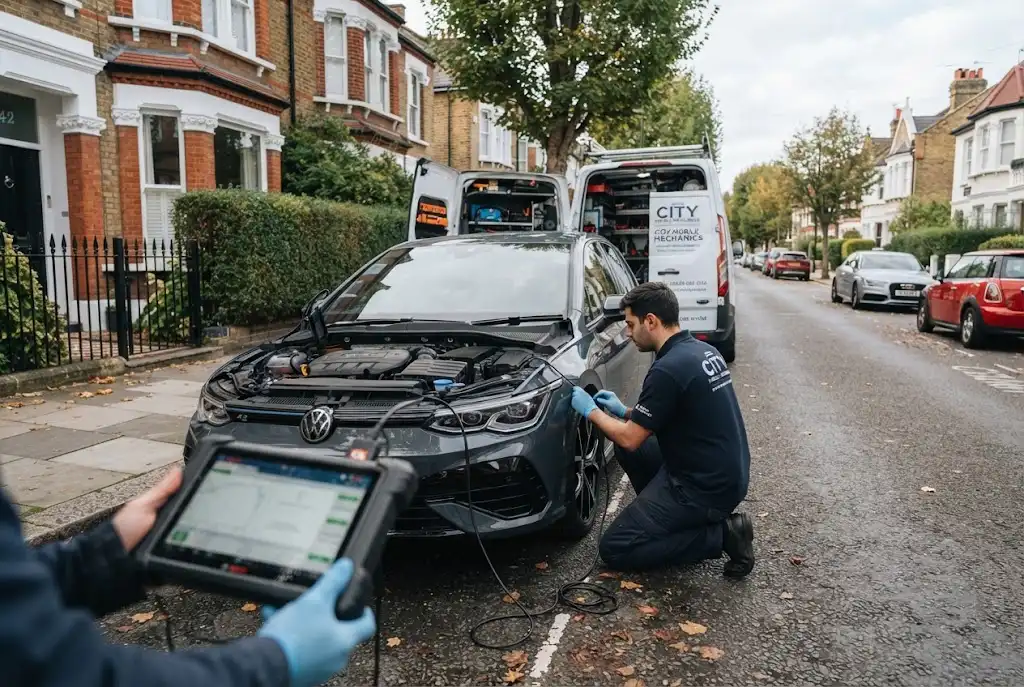
Not every vehicle concern requires an immediate garage visit, but some symptoms should receive professional attention. Persistent dashboard warning lights, unusual engine noises, fluid leaks, steering changes, brake problems and significant vibrations are examples of concerns that should not simply be ignored.
The correct response depends on the symptom and its severity. If a vehicle appears unsafe to drive, continuing the journey may not be appropriate. When the issue is less urgent but persistent, arranging an inspection can help identify the cause before it becomes more disruptive.
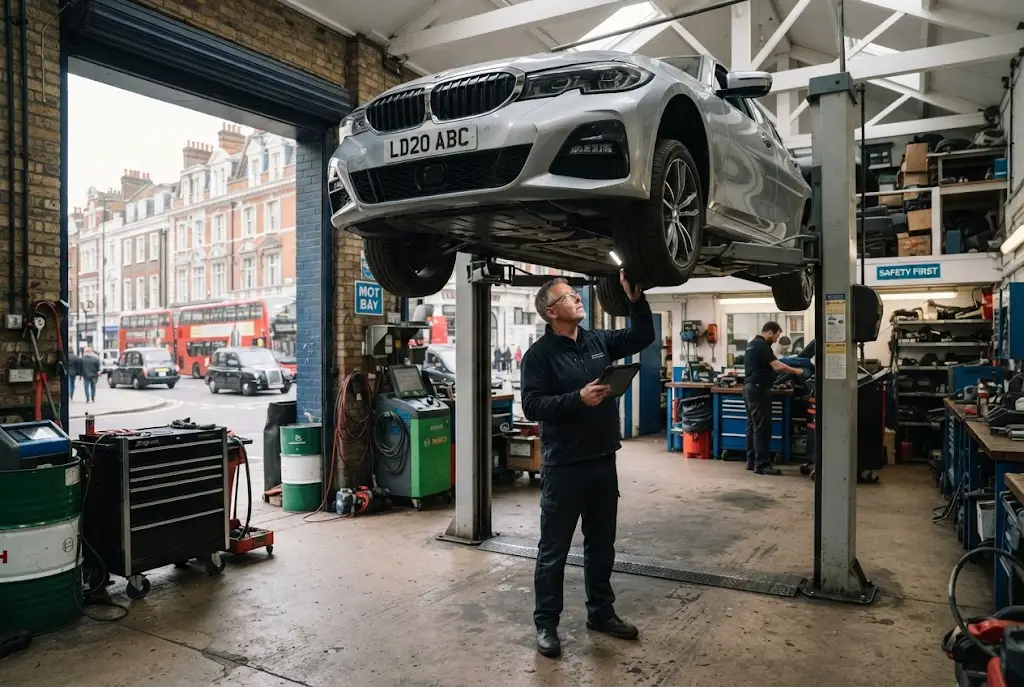
For routine repairs and maintenance, drivers can compare local workshops and consider the experience and services offered by different auto services in London.
Choosing a Garage for Vehicle Maintenance
London motorists have access to many different types of garages, including independent workshops, specialist repairers and larger service centres. The right choice depends on the work required and the vehicle involved.
When selecting a workshop, look for clear communication about the work being recommended. A good garage should be able to explain the issue, identify which repairs are necessary and provide an estimate before significant additional work is undertaken.
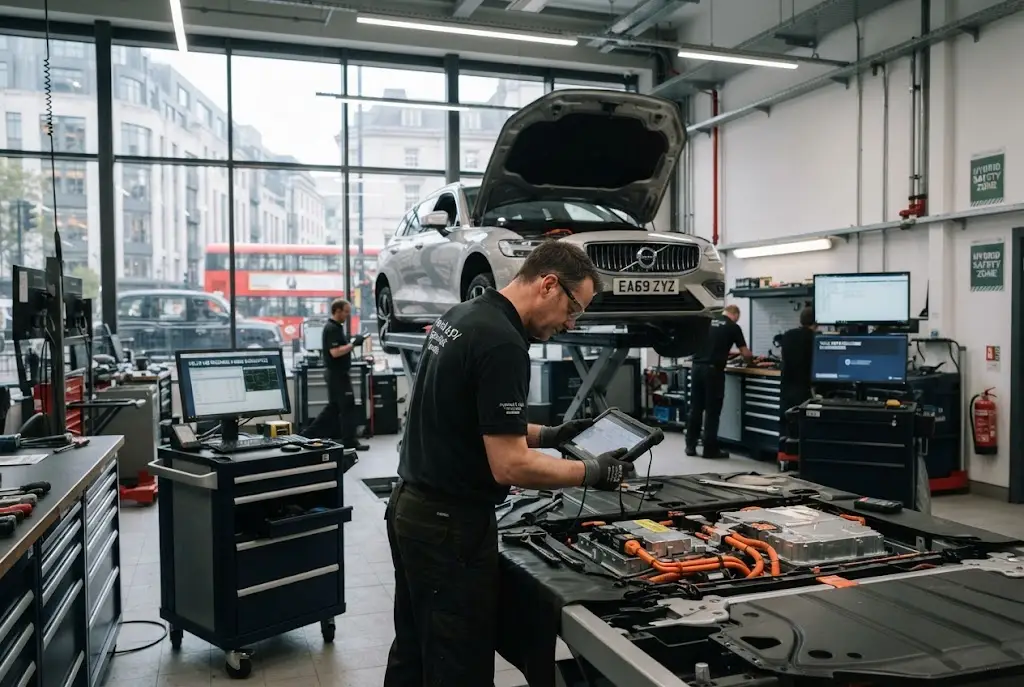
Experience with your particular vehicle can also be useful. Some cars have manufacturer-specific systems or technologies that require appropriate diagnostic equipment and technical knowledge.
Drivers interested in local workshops can also explore our guide to auto repair services from London’s independent garages.
Simple Vehicle Checks Drivers Can Make
Professional servicing is important, but drivers can also perform basic checks as part of their normal routine. These checks should never replace professional maintenance, but they can help motorists notice changes early.
- Check tyre pressures according to the vehicle manufacturer’s recommendations.
- Look for obvious tyre damage or unusual tread wear.
- Check that exterior lights are working.
- Pay attention to warning lights on the dashboard.
- Check relevant fluid levels when the vehicle’s instructions recommend doing so.
- Notice changes in braking, steering, starting or engine performance.
Simple observations can provide useful information. If something changes unexpectedly, recording when it happened and under what conditions can also help a technician diagnose the problem.
Keeping Maintenance Records
A maintenance record is useful for both current ownership and future vehicle decisions. Keep invoices, service documentation and records of repairs together where possible.
These records can show when routine work was completed and help prevent scheduled maintenance from being overlooked. They can also provide useful background for a garage when diagnosing a recurring issue.
A well-maintained history can also be valuable if you decide to sell the vehicle. Buyers may want evidence of servicing and repairs rather than relying solely on the vehicle’s appearance or mileage.
Vehicle Maintenance Before Long Journeys
Although London’s daily traffic deserves attention, vehicle checks are also valuable before longer journeys. A car that performs adequately on short trips may still benefit from a basic inspection before travelling significant distances.
Tyres, fluids, lights and general vehicle condition are sensible areas to consider. Drivers should also ensure that scheduled servicing is up to date rather than postponing it immediately before an important journey.
Taking a few practical steps before travelling can reduce the likelihood of being surprised by an issue away from home.
Making Vehicle Maintenance Part of Your Routine
The most effective maintenance strategy is consistent rather than complicated. Drivers do not need to become automotive experts. They simply need to understand their vehicle’s recommended service schedule, notice changes in performance and seek professional help when necessary.
For people who commute regularly, setting reminders for servicing and routine checks can make maintenance easier. Keeping a record of completed work also provides a simple reference for future appointments.
It is equally important not to assume that an older vehicle is automatically unreliable or that a newer vehicle never needs attention. Every vehicle requires appropriate maintenance, regardless of age.
Final Thoughts on Vehicle Maintenance in London
Vehicle maintenance is a practical part of responsible car ownership, particularly for drivers who regularly deal with London’s busy streets and stop-start traffic. Preventative checks, scheduled servicing and timely repairs can all contribute to a more reliable vehicle.
The key is to take a balanced approach. Follow the manufacturer’s maintenance recommendations, monitor the vehicle’s condition and use a reputable garage when specialist inspection or repair is required.
London driving will always involve congestion, short journeys and changing road conditions. However, motorists can prepare for those demands by making vehicle care a regular part of their routine. With consistent maintenance and sensible professional support, drivers can keep their cars better prepared for everyday journeys across Greater London.